Des Moines University starts process to launch residency programs with Iowa partners
Dec 18, 2025 | 11:19 am ET
Description
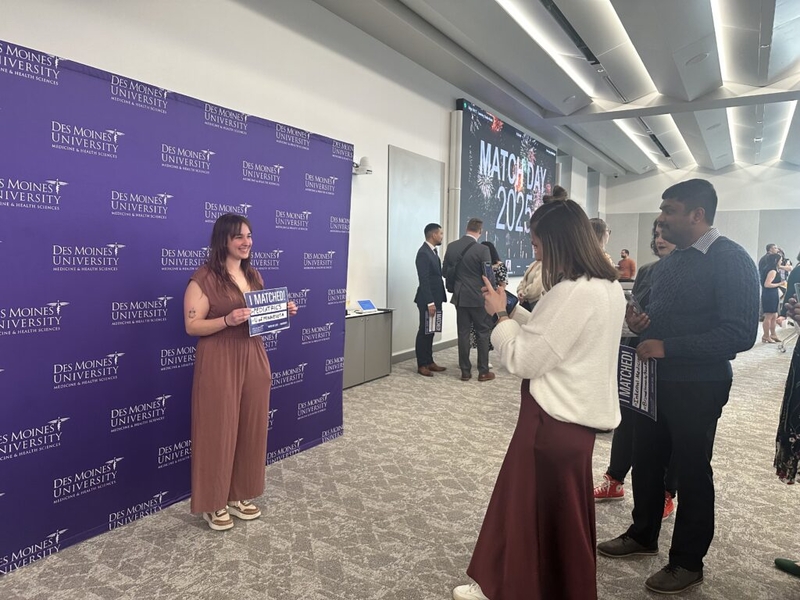
Des Moines University students celebrated Match Day on March 21, 2025, when they learned where they'll serve medical residencies. The university announced it has become a "sponsoring institution" and is planning to launch a residency program in the coming years. (Photo by Brooklyn Draisey/Iowa Capital Dispatch)
Des Moines University is gearing up to offer residency programming in partnership with area hospitals and clinics, having received initial approval from the Accreditation Council for Graduate Medical Education to become a “sponsoring institution.”
The private medical university announced this month it is developing its first residency program, which it hopes to launch in 2027, said Jennifer Beaty, DMU associate dean for graduate medical education. The one-year program will be housed at the university’s osteopathic manual medicine clinic and focus on osteopathic neuromusculoskeletal medicine, with just one or two residents to start.
While the majority of the program can be handled on campus or at its clinics, Beaty said there are hospital medicine components that a partnership is required to fulfill.
“Des Moines University doesn’t have a hospital. We aren’t capable of starting our own program completely independently,” Beaty said. “We need to partner with hospital systems and clinics around the state so that we can help provide, with our partners, excellent educational experience and residency programs.”
As an “osteopathic medical institution” teaching “osteopathic principles,” Beaty said this area of study was a good choice for the university’s first program. DMU is currently in the process of applying to sponsor this specific program, as earning the “sponsoring institution” title was just the first step. In order to qualify for the residency, students will need to have already completed a primary care residency.
While the residency will allow DMU graduates and those from other medical universities to apply for the program, Beaty said DMU’s expansion of offerings will help those at the university who are worried about where they’ll have to go to complete their education and training. This could also help keep students in the state for longer, furthering the chances of them staying permanently.
David Connett, dean of the DMU college of osteopathic medicine, said in a news release this step will lead to the university “strengthening the state’s physician workforce while expanding high-quality clinical training opportunities for our students.”
“This designation will enable DMU to develop innovative, mission-aligned GME programs within our own clinical system and in partnership with hospitals and community sites statewide,” Connett said in the release. “Ultimately, it allows us to help meet Iowa’s growing need for physicians, retain more of our graduates locally, and ensure patients throughout the state benefit from exceptional, osteopathically-informed medical education and care.”
DMU is currently in the process of engaging with Iowa health systems and clinics to identify potential partnerships, Beaty said, with a focus on rural areas for future programs.
Beaty said developing residency programs with partners across the state was Connett’s vision, one he brought with him and started working on as soon as he joined the university 18 months ago.
State attention on medical education has been high, Beaty said, with Iowa Gov. Kim Reynolds signing into law proposals to expand rural access to medical care and physician training programs. The state of Iowa graduates more medical students annually than there are residency positions available, and DMU wants to ensure it is entering smart partnerships to create high-quality programs.
“We don’t want to just open a program to open a program and say we did it. We want to make sure the need is truly there,” Beaty said. “We believe it is, but we want to make sure it’s truly there, and that the support in the communities it’s going to take place in is strong, so that the program can be successful.”
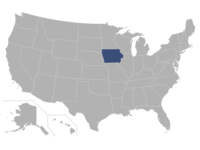
Des Moines, IA