Lawsuit: Mom claims Delaware detox facility is negligent in son’s death
Apr 08, 2025 | 8:54 am ET
Description
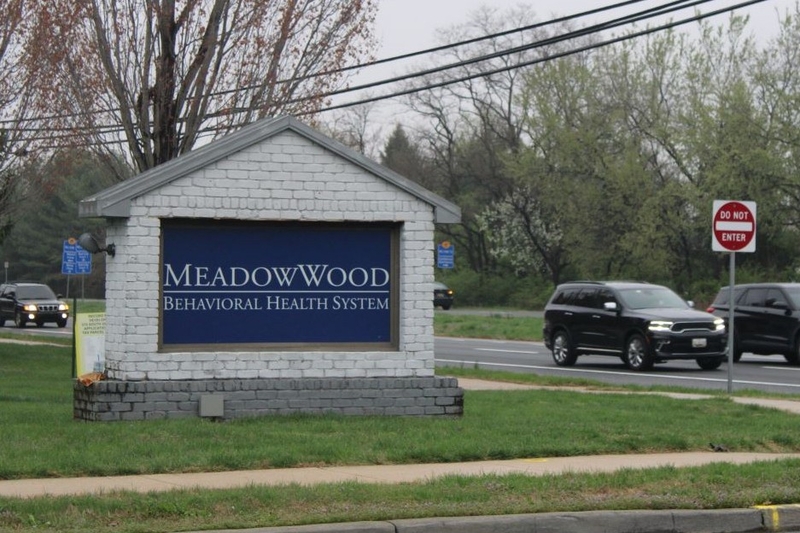
MeadowWood Behavioral Health is accused in a recent lawsuit of negligence following the death of a patient.
A mother is suing one of Delaware’s biggest psychiatric and drug detox hospitals, claiming its staff acted negligently when her 33-year-old son died at the facility with methadone and another synthetic opioid in his system.
The death of her son, David H. Tymitz, came in 2023, five days after he had been admitted to the New Castle-area facility — MeadowWood Behavioral Health Hospital — to treat an addiction to alcohol and benzodiazepines – a non-opioid drug that usually treats anxiety.
It is unclear whether Tymitz was prescribed opioids by staff at the time, or accessed them on his own. The lawsuit does not mention either possibility.
MeadowWood, one of New Castle County’s largest psychiatric hospitals, also doubles as a primary addiction detox facility in the area, where patients spend up to a week in treatment before they can proceed to a longer-term inpatient facility.
The detox step is a key part of the recovery process for people who are suffering amid Delaware’s current addiction crisis.
MeadowWood and its Tennessee-based parent company, Acadia Healthcare, are named as defendants in the lawsuit, which adds to a string of medical malpractice claims filed against the Delaware hospital over the past decade.
It also adds to a wave of criticism lobbed in recent months against Acadia following a New York Times investigation concluded last summer that the company “lured patients” into its psychiatric facilities “and held them against their will.”
Acadia owns three outpatient addiction treatment facilities in Delaware, as well as dozens of others across the United States. Last year, the company earned more than $3 billion in revenue.
A lawyer representing MeadowWood declined to comment for this story, and emails sent directly to the facility were not answered.
Last month, MeadowWood and Acadia filed responses to the complaint, denying the allegations.
What’s in the lawsuit?
The lawsuit — brought by Tymitz’s mother, Donna Seldomridge, in Delaware Superior Court — centers around what happened during the days after he was admitted to MeadowWood for drug treatment on July 17, 2023.
According to the complaint, Tymitz had been admitted to the facility multiple times before that.
When he was initially evaluated there that fateful week, staff determined his substance abuse was severe enough to cause withdrawal symptoms, according to the lawsuit. That evaluation led staff to place Tymitz on a “Valium detox protocol” — an apparent reference to his addiction to benzodiazepines, known by many as benzos.
No synthetic opioids were required as part of the detox, the lawsuit said.
The day after he was admitted, a doctor ordered that Tymitz take a drug test. Results from that test came back positive for benzodiazepines, but negative for opioids and other drugs, according to the complaint.
As a patient, Tymitz was to be monitored by staff while taking medications. He also was declared a “low risk” for suicide, requiring staff to check in on him every 15 minutes, the lawsuit said.
During one early afternoon the day before his death, Tymitz missed a group therapy session because he was asleep, according to the complaint. Hours later, the hospital documented him outside in the courtyard smoking, according to the lawsuit.
Later in the evening and into that night, MeadowWood staff listed Tymitz in his room, “calm” and “sitting/lying,” the lawsuit stated.
But, hours later, just after 1:30 a.m., hospital staff called the Delaware State Police to report that they found Tymitz dead.
A subsequent autopsy and toxicology report revealed he had both methadone and buprenorphine in his system – two synthetic opioids used to treat opioid withdrawal symptoms.
The reports also showed benzodiazepines in his blood, though Tymitz’s cause of death was listed as the “adverse effects of methadone intoxication,” the lawsuit said.
Lawyers for Seldomridge did not respond to multiple requests for comment.
As part of their case, Seldonridge’s lawyers subpoenaed the Delaware Department of Health and Social Services last month, seeking safety inspections, complaints, violations and investigations into MeadowWood going back to 2013.
MeadowWood’s lawyer in response said in a letter to Seldomridge’s attorneys that he would push for an order “quashing the subpoena and providing a protective order.”
In the letter, he said those hospital records requested are “potentially privileged and confidential.”
Last week, Spotlight Delaware submitted an open records request to the Department of Health and Social Services for various documents related to MeadowWood. That request is pending.
Dover