Fulcher signs on to bill limiting federal agents’ access to Flock, other surveillance data
Sep 01, 2026 | 6:20 am ET
Description
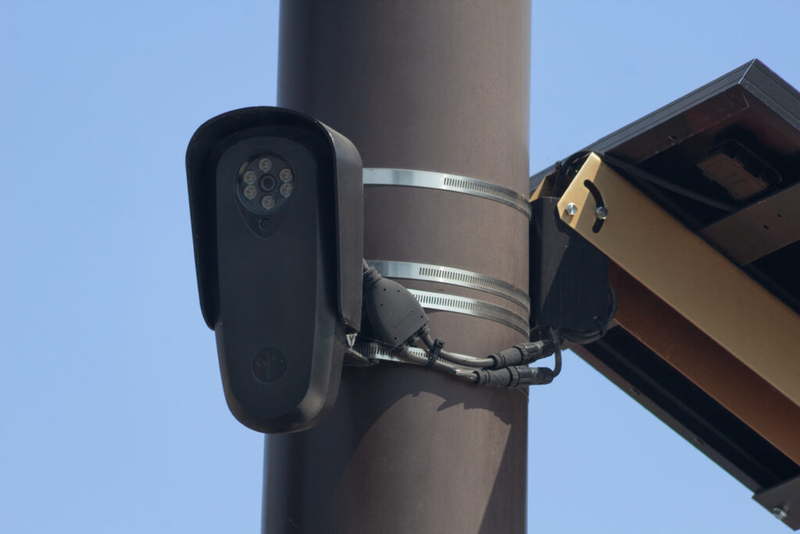
A Flock Automated License Plate Reader near the Lowe's on Overland Road in Boise, as captured on Aug. 5, 2026. (Photo by Valentin Termite/Idaho Capital Sun)
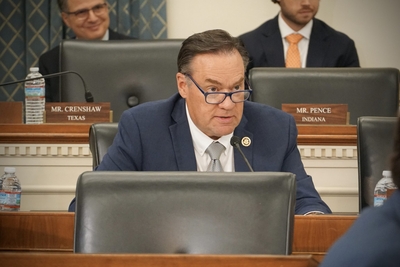
Idaho Republican U.S. Rep. Russ Fulcher signed on to federal legislation to limit federal law enforcement’s access to data from automated license plate readers, like Flock cameras, and other surveillance equipment.
Fulcher announced Monday in a press release that he is co-sponsoring H.R. 9716, called the Protecting Rights in Video and Equipment Acquired Discovery Act, or Privacy Act. The legislation would, in most cases, require federal law enforcement to obtain a warrant from a federal judge before accessing surveillance data from state and local systems, including cameras that capture images of vehicle occupants, long-range microphones, electronic fingerprint detection technology, and “substantially similar technology” as determined by the U.S. attorney general, according to the press release.
“I’m proud to sign on to this legislation to protect the privacy rights of Idahoans from increasingly intrusive surveillance data collection and to prohibit the widespread deployment of such surveillance tools with federal dollars,” Fulcher said in the press release. “It’s simple: if the federal government wants to access state and local systems’ data on citizens, they need to get a warrant.”
The legislation would also put time limits on the retention of data federal authorities obtained, unless a court authorizes an extension or the data is needed as evidence for ongoing prosecution. The bill would also prohibit federal funds from being used to purchase or install surveillance devices, with some exceptions for systems used solely for toll collections on federally funded highways, school violence prevention programs, grants provided under the Omnibus Crime Control and Safe Streets Act, and portable systems for specific law enforcement operations with a warrant.
The bill, brought by Texas Republican U.S. Rep. Keith Self, was introduced July 15 and has not yet been voted on by a committee.
Idahoans have expressed concerns about surveillance cameras
A number of Idaho cities statewide have contracts for automated license plate readers, called ALPRs, the Idaho Capital Sun previously reported. Flock is the most common and well-known brand of this type of camera.
In July, nearly 100 residents filled the Caldwell City Council chambers, and about a dozen of them spoke about their concern about the city’s use of Flock cameras, the Idaho Press reported.
All eyes on Flock as Idaho navigates surveillance technology across the state
A 2025 Idaho state law prevents these readers from being used for anything other than “the investigation of felony, misdemeanor crimes, traffic accidents or to search for missing or endangered persons.”
However, Twin Falls cameras were searched at least 631 times in March, May and June of 2026 for immigration-related searches, the Sun reported. The searches originated from outside Idaho, and later the Twin Falls Police Department changed its network sharing policies to avoid inadvertently running afoul of Idaho law and its own restrictions on immigration searches.
In March, then-Jerome County Sheriff George Oppedyk used Flock cameras to search for his wife’s vehicle hundreds of times between July and September 2025, KMVT reported. Oppedyk retired in April. In early August, the Washington Post reported that at least 50 law enforcement officers across the nation had been charged with or accused of misusing the cameras to track women.
Fulcher’s office regularly polls constituents who email him, and recent polls found that data privacy was one of their top concerns, Fulcher told the Idaho Capital Sun in an Aug. 12 interview.
“The data privacy stuff, especially recently with the Flock cameras, that has got a lot of people on edge,” Fulcher said.
Boise, ID