Will Patient Death Halt Kalaupapa Access? ‘No One Really Knows’
May 22, 2026 | 6:01 am ET
Description
Photo courtesy of Honolulu Civil Beat
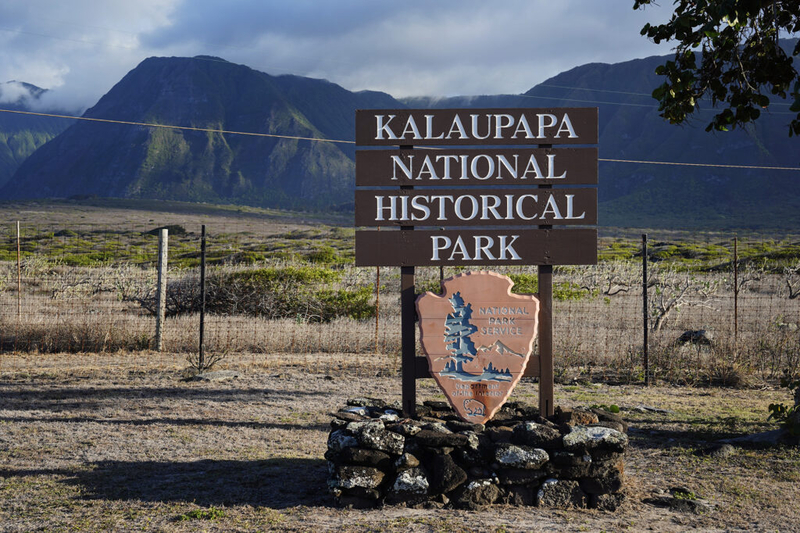
When Hawai‘i’s famed leprosy colony reopened to public tours in September after a five-year closure triggered by pandemic-era lockdowns, there was clearly pent-up demand.
All 80 slots for tours offered in 2025 sold out in 75 minutes, according to Randy King, founder and CEO of Seawind Tours & Travel, a Honolulu-based company that co-operates public visits to Moloka‘i’s top tourist attraction.
Now, the future of public tours on the peninsula is in jeopardy again.
On Monday, former leprosy patient Meli Watanuki died at age 92. Her company Kalaupapa Saints Tours, working in partnership with Seawind Tours, is the only outfit permitted to offer commercial tours of Kalaupapa National Historical Park. Whether tours will be allowed to continue in Watanuki’s absence is unclear.
"This is the first time they don't have a patient alive who's managing tours," said John McBride, who co-owned a Kalaupapa tour company with Watanuki before the pandemic shuttered public visits to the park. "No one really knows what happens next."
The National Parks Service does not facilitate its own park tours. Federal law and NPS policy require commercial tour companies on the peninsula to be owned by former leprosy patients who live there. The NPS is required to offer this business opportunity to patient-residents until no more are interested.
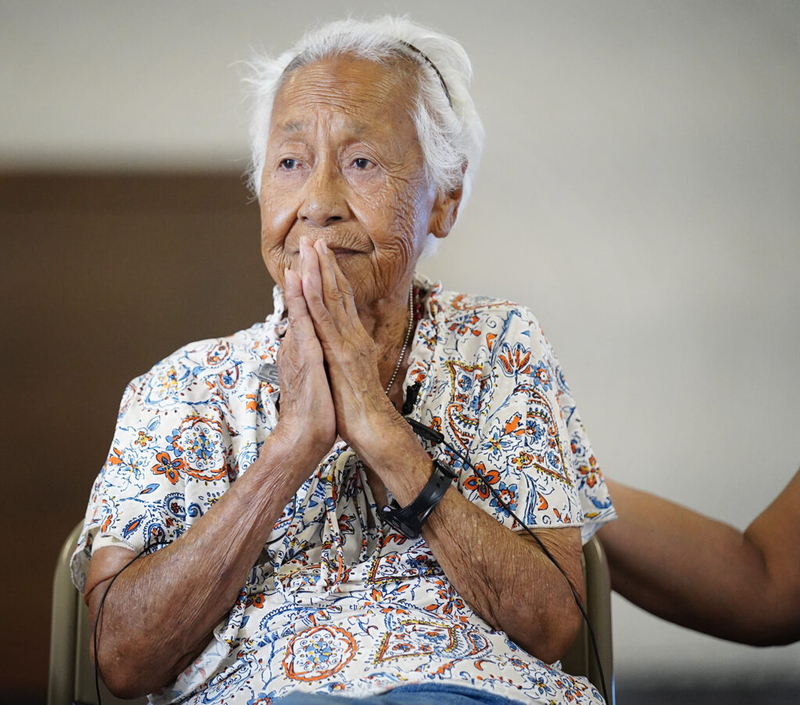
Two of Kalaupapa’s former Hansen's disease patients reside at the Kalaupapa settlement with support from the state health department, which provides them with furnished homes, nursing staff and stipends for food and clothing.
None of them have operated a tour company. It’s unclear if they will decide to do so now. Federal rules do not spell out how the NPS ought to proceed if there are no patients left who wish to facilitate commercial tours.
Camryn Kunioka, a Seawind Tours group travel coordinator, said the operating permit for public tours is valid through the end of the year. The company is currently booking tours as usual through Dec. 31.
“After that,” she said, “we are unsure about the future of the tours. We’re trying to give the family time to process everything but we are already working with the Park Service to navigate how this tour will proceed.”
A NPS spokesperson confirmed in an email that tours will operate as scheduled "in honor of Meli's legacy," while the longterm future of public visits to the park is determined. The agency is also considering the possibility of starting up NPS-led tours.
"Meli Watanuki's death is a sad loss for the Kalaupapa Community and marks a major transition for the park," a spokesperson for the NPS said in an email. "The NPS is working with her estate and tour operator on options to continue operations."
Watanuki, who was 18 when she was diagnosed with Hansen’s disease in her native American Samoa, moved to Kalaupapa of her own volition after a second bout in Honolulu in the 1960s left her abandoned by her husband and young son. Living in the settlement, she made friends and remarried.
In recent years she worked as a cashier at the Kalaupapa Store and tidied the yard of St. Philomena Catholic Church in the original Kalawao Settlement area for the NPS. She attended church daily.
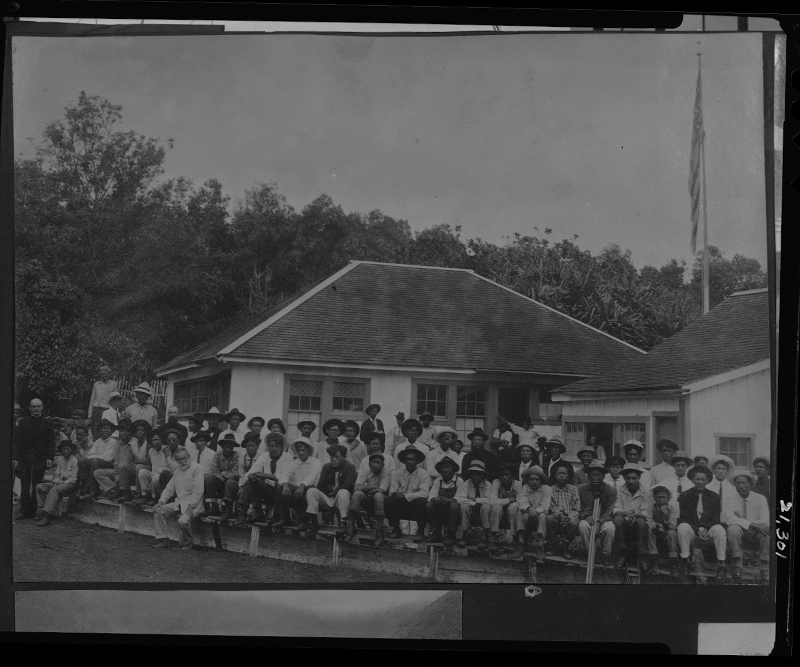
Her death compounds the gradual diminishment of Kalaupapa's patient population and underscores anxieties about the future of the peninsula amid competing interests from federal and state agencies, Native Hawaiians with land rights on the peninsula and the descendants of those forced into exile. The rugged outcropping off Moloka‘i's North Shore is subject to a series of joint land ownership and stewardship agreements that are subject to change when Kalaupapa no longer has a living patient population.
A few things are certain: One year after the last patient dies, Kalaupapa, which constitutes its own county, will become part of Maui County. State policies that govern Kalaupapa will dissolve and management of the peninsula will turn over to the National Parks Service.
Nearly 10,000 acres currently owned by the Hawai‘i Department of Land and Natural Resources are expected to be absorbed by NPS, which now owns roughly 23 acres.
Another 1,247 acres are owned by the Hawaiʻi Department of Hawaiian Home Lands. Whether and how Native Hawaiian beneficiaries will be able to access these lands has been the subject of decades of debate.
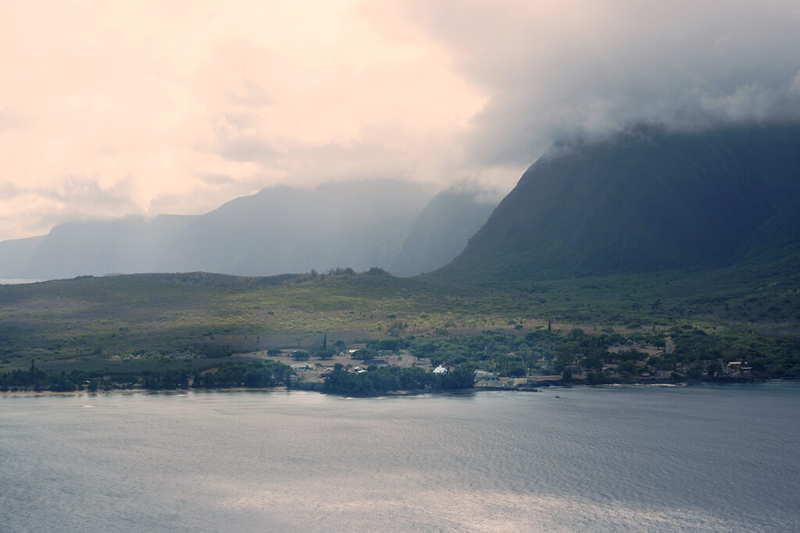
Whereas other national parks welcome millions of people annually, Kalaupapa has historically allowed a maximum of 100 daily visitors, including staff. Last year the visitor cap was reduced to 30 people a day, a decision that respects the privacy and lifestyle of former patients who still reside on the peninsula, according to Park Superintendent Nancy Holman.
Tours booked through Watanuki's company cost $649 and last eight hours. Tour guests take a 43-minute flight from Honolulu to Moloka‘i's isolated Kalaupapa peninsula on a nine-seat Cessna operated by Mokulele Airlines. Tours run five days a week with an eight-person limit due to the size of the aircraft.
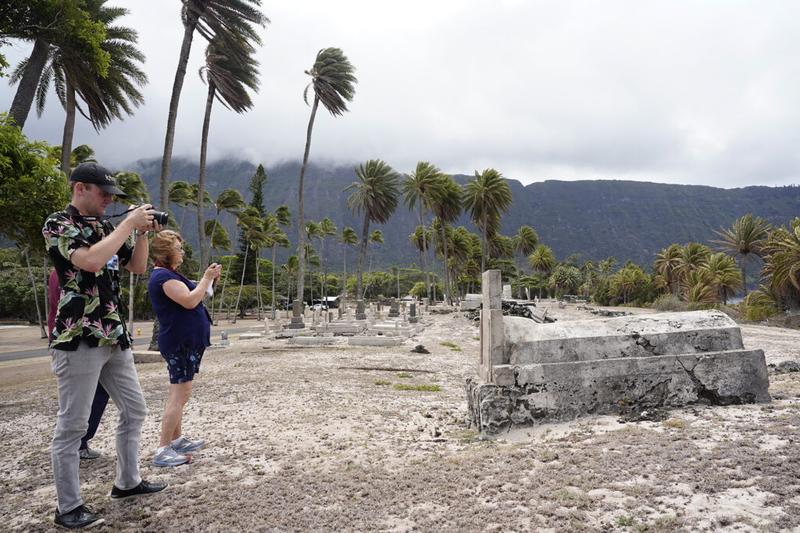
Tour guests, who must pack their own lunch, visit historic churches, cemeteries and landmarks in and around the former leprosy settlement where for more than a century thousands of disease-stricken victims were brutally separated from their families and forced into permanent exile.
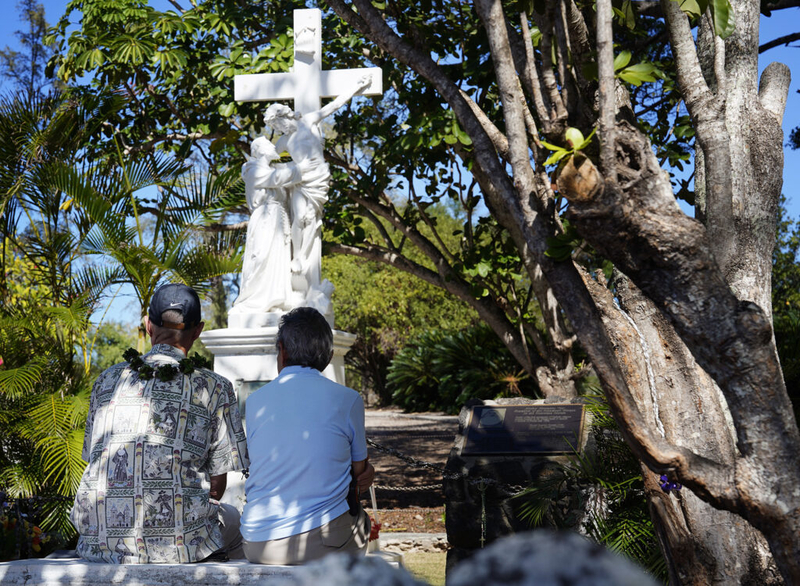
No one under 16 is permitted to enter the park, a measure of respect for former leprosy patients who reside in the settlement. Before the 1969 repeal of the Hawai‘i law that exiled people with Hansen's disease to Kalaupapa until death, healthy babies born to patients were separated from their mothers at birth and placed in orphanages or in the care of relatives outside of the settlement.
For decades the primary point of entry to the park for permitted tour-goers was down a steep, 3.5-mile cliffside trail with 26 switchbacks. Most visitors descended the trail on the back of a mule. Others hiked down on foot. The trail shut down indefinitely in 2018 following a landslide and dispute over trailhead ownership.
Public access to the peninsula ceased entirely in early March 2020 under pandemic-era public health restrictions far stricter than those enacted in the rest of the state. A blanket no-visitor policy meant that former Hansen’s disease patients, as well as National Park staff and scientists who live on the secluded Kalaupapa peninsula, could not receive visits from family and friends.
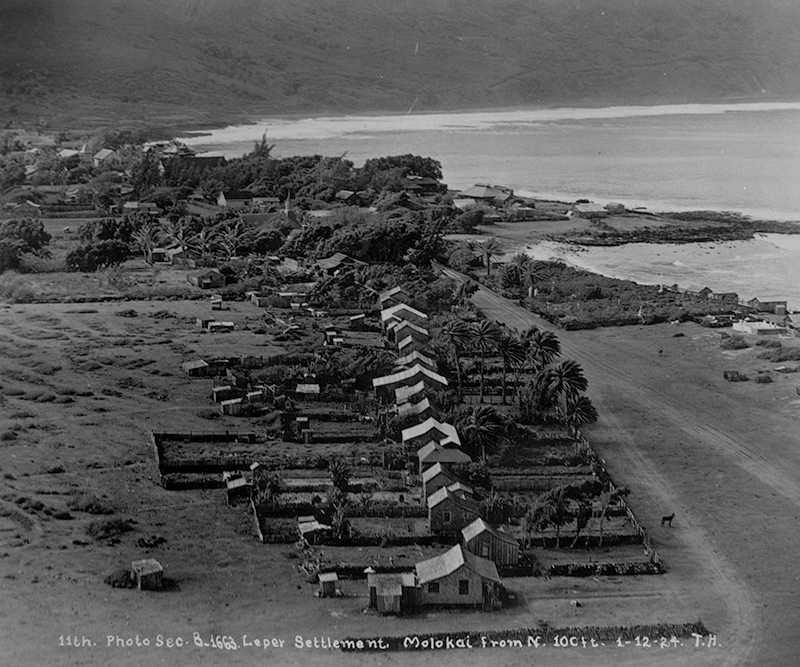
Those rules endured for more than three years. But even after state health regulators lifted pandemic-era restrictions, the NPS continued to block public access while the agency developed a new tour permit approval process.
Before the pandemic, there were two approved patient-owned tour providers. One of those companies, Kekaula Tours, is defunct. Former patient Clarence “Boogie” Kahilihiwa owned the tour company until he died at age 79 in 2021.
The other tour provider, Saints Damien and Marianne Cope Molokai Tours, was co-owned by Watanuki and McBride, a non-patient who served as the company’s tour guide and bus driver.
Four people are living on the Kalaupapa Registry, the Hawai‘i Department of Health's official record of thousands of people who were isolated at Kalaupapa before the government freed them from quarantine in 1969. The youngest is 85 and the eldest is 102. Two of them reside full-time at Kalaupapa and two live on O‘ahu.
There are other living former Hansen's disease patients whose names are absent from the registry at their request. The state refers to these former patients as "the gap group."
It's unclear how many people are in this group, Department of Health spokeswoman Kristen Wong said in an email. The state does not track this group closely but does provide them with some support services upon request.
Honolulu, HI