We trust juries … until we don’t
Jun 09, 2026 | 6:29 am ET
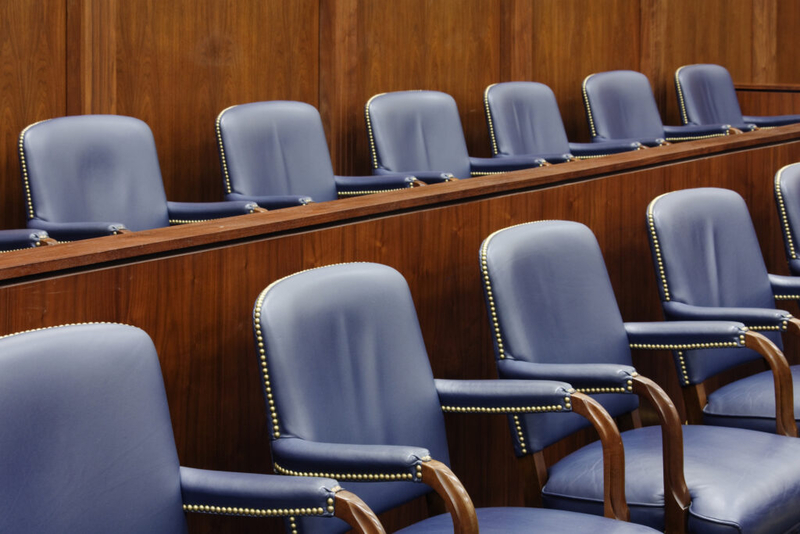
Description
(Photo by Getty Images).
We’re hypocrites.
We love juries. The foundation of our justice system.
In Montana, we trust juries to decide guilt and innocence for roughly 1,500 different crimes. We trust juries to decide who wins and who loses for civil causes of action.
We trust juries, until we don’t.
We trust juries to consider DNA, bloodstain, and fingerprint evidence, to determine the credibility of witnesses, to listen to experts, and to examine photos.
But, we do not trust juries to know that someone injured in a car accident was not wearing a seat belt. That important little fact – is hidden from juries. By law. Section 61-13-106, Montana Code Annotated (2025) mandates that evidence of seat belt use or nonuse is inadmissible in any civil case. Never.
We made wearing a seat belt and shoulder harness mandatory in 1987. It’s the law. Today, roughly 27% of Montanans don’t wear them.
We all know that seat belts save lives. We’ve seen the commercials. We’ve heard the stories. A seat belt saved my life. Yet, more than one-in-four people in Montana gamble that they aren’t going to be in an accident.
So, what happens when someone playing Montana seat belt roulette is injured in an accident? They sue the driver who caused the accident. And, the jury will never know that the plaintiff wasn’t wearing a seat belt or that wearing a seat belt would have prevented or reduced their injuries. It’s against the law.
I respect Montana’s libertarian streak, but we need to rethink this one.
Every driver has a duty to drive in a safe and prudent manner. If they cause an accident, that is negligence and, if someone is injured, the injured person is entitled to compensation. In ancient times, like around 1980, judges and legislators didn’t think juries should hear seat belt evidence because they might confuse “causation” with “damages.” Honest.
Today juries hear complex cases involving scientific analysis. Multimillion-dollar product liability cases. Complex commercial disputes. Medical malpractice cases. Juries make tough and difficult evaluations regarding all kinds of evidence. Just not about seat belts.
That is a bridge too far.
By law, every passenger must be restrained by a seat belt. It’s the driver’s responsibility to make sure they do. But, if they don’t – it is not negligence under Montana law. Even when the evidence is clear that they would not have been injured or their injuries would not have been as significant – if they had just complied with the law and buckled up.
So, when a driver and their passengers refuse to buckle up they break the law. But that is not negligence and you can’t tell the jury.
If you were the driver who caused the accident, how would you feel? Yes, you ran a stop light, but hey – if she had been wearing a seat belt, she would not have been seriously injured. But the jury will never know. It’s the law. It’s called a “gag order.” And, you will be held responsible for every injury, even those that could have been prevented.
But, don’t people have a responsibility to obey the law and to take reasonable and appropriate steps to prevent and mitigate injuries? Like wearing a seat belt? Yes, they do.
This isn’t justice. It’s warped. It’s an antiquated social policy that has been cemented into our law. It’s time to change it.
Montana law is outdated. Paternalistic. It undermines the system it is intended to protect.
The world has changed. It’s not the 1980s anymore. The people sitting on our juries today are pretty sophisticated. Remember Court TV, the OJ trial, “Judge Judy,” and Law and Order? We have come a long way from Perry Mason, where three questions would compel a confession.
Juries today can understand seat belts. They can understand the difference between what caused an accident and the damages. The concepts of fault for the crash and responsibility for the injuries are not rocket science.
Montana should repeal its “gag rule” statute. Evidence that someone was not wearing a seat belt should be admissible. The jury should hear all relevant evidence. Lawyers can argue about it. Judges can give the jury instructions about the differences between “causation” and “damages”.
Other states have done this. The sky didn’t fall.
It isn’t fair to hide relevant evidence from the jury. That unfairness breeds distrust, not just in our courts, but our democracy.
When someone causes an accident, the injured parties are entitled to compensation for their injuries – just not those injuries that would have been prevented if they had obeyed the law and buckled up.
Seat belts save lives. Use them. And, change the law.
Helena, MT