Vermont budget writers reach compromise spending deal with funding for UVM athletic complex
May 29, 2026 | 12:14 pm ET
Description
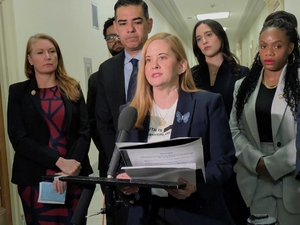
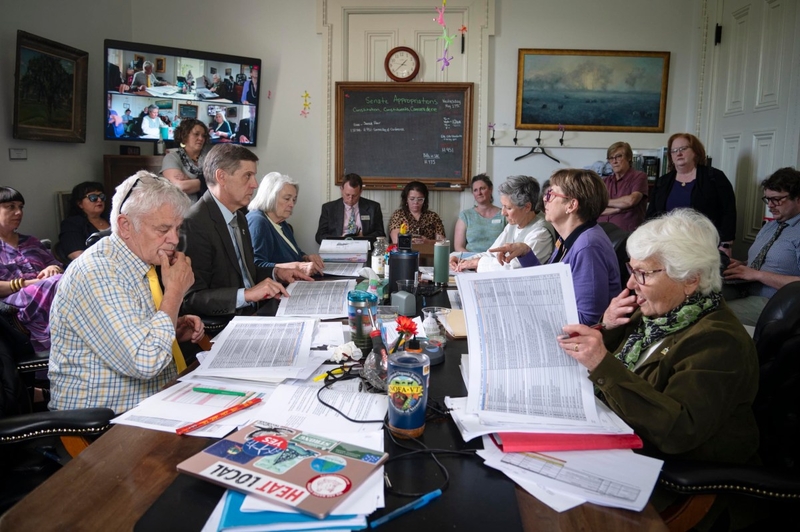
Senate, left, and House members of the budget conference committee meet at the Statehouse in Montpelier on Wednesday, May 27, 2026. Photo by Glenn Russell/VTDigger
MONTPELIER — Vermont’s House and Senate budget writers reached a deal Thursday night on a state spending package for the upcoming fiscal year, which starts in July.
Agreement on the budget bill, H.951, came with likely just a day left in this year’s legislative session. Overall, the joint House and Senate conference committee’s version of the budget totals $9.38 billion, close to the amount of spending Gov. Phil Scott proposed at the start of the session in January.
The bill was expected to get a final sign-off on the House and Senate floor Friday after weeks of both public and closed-door negotiations. The conference committee signed off on the bill around 11 p.m. Thursday.
Among the last pieces of the nearly 150-page legislation to get resolved in the committee was a controversial plan to take money out of a state-run college scholarship fund to help pay for a long-stalled athletic complex at the University of Vermont instead. The fund, called the Higher Education Endowment Trust Fund, saw a historic infusion of cash last year from Vermont’s tax on the estates of high-wealth individuals.
The House did not include the plan, which Scott had backed, in its version of the budget. Many lawmakers there were opposed to the plan because they said it would reduce the amount of money available for student scholarships, which are drawn off the interest generated from the fund’s principal.
But the Senate added a version of the plan back, persuaded by UVM’s case that the $175 million project, which would host basketball games, concerts and other events, would be an economic boon to the state.
The agreement reached this week would send $12 million to UVM for the athletic complex, the same amount that the Senate had proposed. Scott had originally proposed giving the school $15 million. UVM has said the state’s investment would help it leverage private donations to finish the center, which broke ground in 2019 but stalled during the Covid-19 pandemic.
But the compromise budget would take only $2 million for the complex out of the scholarship fund. The remaining $10 million would come from the state’s collection of unclaimed financial property, lawmakers decided.
The chair of the budget-writing House Appropriations Committee, Middlebury Democratic Rep. Robin Scheu, said legislative leaders learned during a private meeting with the state treasurer’s office and Scott administration officials several weeks ago that the state would be collecting more in unclaimed property than it was expecting.
The unexpected windfall, totaling about $10 million, was enough to reduce the amount needed to be drawn from the scholarship fund to a level Scheu and her House colleagues could support.
“This is much more palatable,” she said Friday in an interview. “It is more palatable to our caucus.”
The compromise budget also maintained a Senate-proposed plan to send an additional $600,000 from the scholarship fund to the Vermont State Colleges System for a housing project on its Johnson campus. It would also direct $2 million from the fund to a scholarship program administered by the Vermont Student Assistance Corp.
Elsewhere in the budget, lawmakers looked set on Friday to use $101 million, together with the annual property tax rate-setting “yield bill,” to lower the projected increase in property taxes statewide for the upcoming fiscal year. That is largely in line with the proposal that the Senate favored earlier this year. The House had favored setting aside half that money for either property tax relief, or some other purpose such as filing federal funding cuts, in the fiscal year after next.
A separate conference committee approved a final version of the yield bill, H.949, late Thursday, and it was also slated for final floor approval Friday.
The budget and yield bill would use an additional $4 million, for a total of $105 million, to reduce taxes, but in a different way. The $4 million would be used to offer larger tax credits to certain renters.
The budget conference committee sided with the House, however, on proposals to fund some additional new state government positions beyond what was included in the governor’s recommended budget.
The further additions include a staff attorney for the Vermont State Ethics Commission, which the commission has said is badly needed to keep up with its workload, and a mediator for the State Labor Relations Board, who would provide services to unions and their employers who reach an impasse during contract negotiations.
Notably, the budget also now includes $700,000 for a student literacy program, Read Vermont, that the House and Senate did not originally allocate. Scott’s administration had zeroed in on the reading funding in recent weeks, insisting it was a priority for inclusion in the bill.
After winning approval on the floor, the compromise budget will head to Scott for his signature. Scott has threatened, since the beginning of the session, to veto the budget if this year’s education overhaul, H.955, doesn’t arrive at his desk in a form he likes.
But the version of the education bill that emerged out of closed-door negotiations last week, and was haggled over in yet another conference committee this week, had the Scott administration’s close involvement and is now less likely to prompt a veto.
Read the story on VTDigger here: Vermont budget writers reach compromise spending deal with funding for UVM athletic complex.
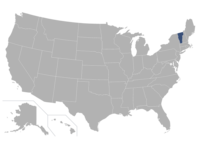
Montpelier, VT