U.S. Rep. Sharice Davids urges NWS to be transparent about data collection shortcomings
May 22, 2026 | 11:00 am ET
Description
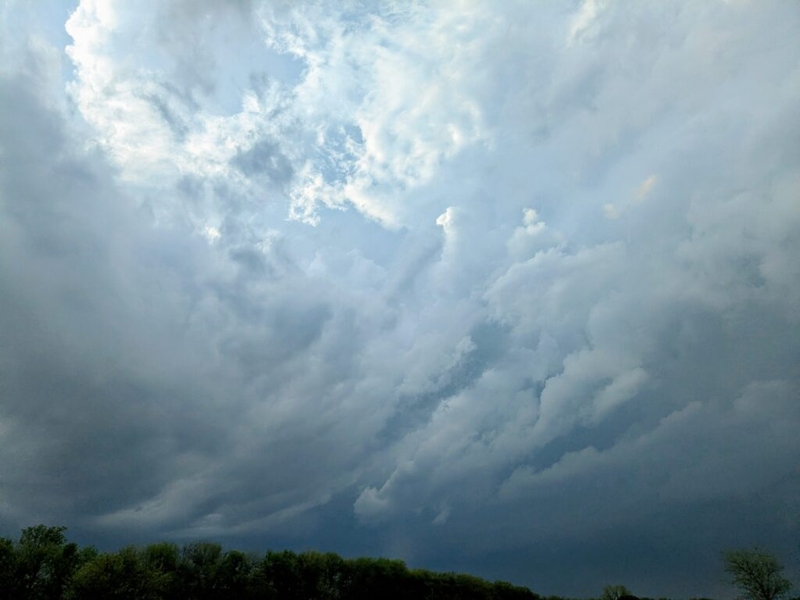
U.S. Rep. Sharice Davids, D-Kansas, is alarmed that National Weather Service isn't being transparent about shortcomings in collection of data integral to severe weather forecasting. This is a 2026 image of a storm rolling through the Flint Hills. (Photo by Tim Carpenter/Kansas Reflector)
TOPEKA — U.S. Rep. Sharice Davids expressed frustration Friday with the National Weather Service’s failure in the last month to launch three-fourths of the balloons typically sent aloft in Kansas to assess atmospheric conditions and assist with weather forecasting.
Davids, a Democrat representing the 3rd District in eastern Kansas, said publicly available records indicated NWS didn’t conduct on 25 of the past 30 days the standard 7 a.m. weather balloon flight dedicated to collecting atmospheric data in Kansas.
“That’s unacceptable,” she said. “Kansans deserve transparency about what’s happening, why it’s happening and what’s being done to fix it. Kansans deserve confidence that the systems meant to keep them safe are fully operational during tornado season and meteorologists deserve the reliable data they need to do their jobs.”
In the past year, Davids and U.S. Sen. Jerry Moran, R-Kansas, have raised questions about staff shortages and other issues at NWS bureaus in Kansas.
Moran recently said staffing problems persisted despite Congress appropriating sufficient funding for 24/7 operation of Kansas weather offices in Topeka, Wichita, Dodge City and Goodland.
Davids said she requested explanations one month ago from NWS about disruptions in gathering data after an outbreak of severe weather. NWS didn’t respond to the inquiry, the congresswoman said, despite seven more tornadoes touching down in Kansas last week.
NWS has an obligation to be transparent with the public about data collection failures, Davids said.
“These are not abstract bureaucratic problems,” Davids said. “You don’t get to quietly scale back something this important without transparency, especially in a state where severe weather can turn deadly fast. The administration owes the public answers and immediate action to address these reported failures before tragedy strikes.”
Davids said weather balloons provided forecasters real-time measurements, including temperature, humidity, pressure and wind conditions useful in anticipating storm intensity. Missed launches limited information available to meteorologists, she said.
She previously asked NWS to share details about reasons for missed balloon launches and how missing data contributed to delayed tornado advisories.
“For decades, 7 a.m. weather balloon launches have been a standard part of how we track severe weather and protect communities. If that standard has changed, the National Weather Service owes Kansans clear answers about why and the science and data behind that decision,” she said.
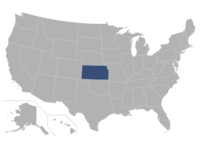
Topeka, KS