Kentucky has numerous coal ash sites. The U.S. EPA is weakening pollution protections for them.
May 22, 2026 | 7:45 am ET
Description
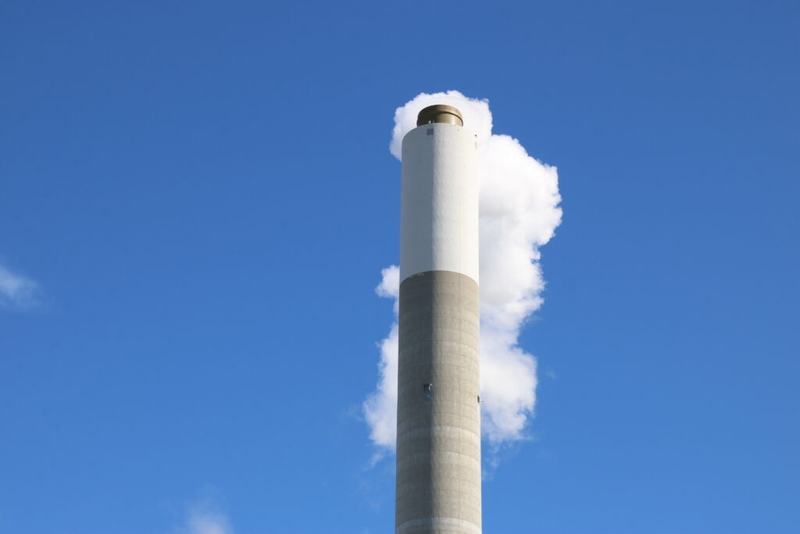
Mill Creek Generating Station in Jefferson County is one of Kentucky's largest coal-fired power plants. (Kentucky Lantern photo by Liam Niemeyer)
A proposed rollback of wastewater emissions limits from coal-fired power plants could have a larger impact in a coal-dominant state like Kentucky, the latest move by the Trump administration to weaken environmental rules in an effort to boost coal-fired power.
The U.S. Environmental Protection Agency proposed earlier this month to weaken wastewater regulations limits known as effluent limitations guidelines (ELG) seeking to control leachate from unmanaged coal ash impoundments and landfills.
Coal ash is a toxic byproduct of burning coal that can contain a mix of hazardous and carcinogenic heavy metals including arsenic, lead, mercury and chromium. The storage of the coal ash in landfills and impoundments can seep into and mix with groundwater if the sites are unmanaged and without a protective liner underneath.
The Obama administration first sought to regulate these coal ash storage sites, and the Biden administration set new rules in 2024 — a part of a suite of regulations targeting pollution from coal-fired power to promote “clean air, healthy lands, and safe water for communities” — that established a “zero discharge” limit on the leachate coming from storage sites that remained unmanaged by utilities and power producers.
A massive coal slurry spill in Martin County in 2000, along with other catastrophic coal ash accidents such as in Kingston, Tennessee, led to the initial regulations issued under President Barack Obama.
“The ELG rule regulated how they have to clean up that water as it gets into the groundwater and mandated making sure that they pump that out, treat it, and then dispose of the leftover water,” said Byron Gary, an attorney with the environmental legal group Kentucky Resources Council that opposes the rollback.
The Trump administration’s proposal would roll those regulations back to a less stringent standard, the federal agency calling the 2024 standard as “not only economically unachievable” but not “technically feasible for the industry as a whole due to the unique make-up” of each unmanaged leachate discharge.
U.S. EPA Administrator Lee Zeldin in a statement earlier this month said the proposal was “critical” for making “electricity more affordable and reliable for all Americans while powering economic growth.” Zeldin cited meeting surging power demand to serve data centers and artificial intelligence as reasoning to buck the “overly restrictive policies of past administrations.”
The federal agency said the rollback of the standard would save electric utilities with coal-fired power plants anywhere from $446 million to a little more than $1 billion annually by rolling back the regulations. The move was also cheered on by America’s Power, a lobbying group representing industries that generate coal-fired electricity, which called it “another important step toward preserving the nation’s coal fleet.”
The proposed weakening of the wastewater emissions rules follows other deregulatory efforts by the Trump administration including a weakening of rules controlling the air emissions of toxic mercury into the environment. Environmental advocates have lambasted the moves as detrimental to the environment and public health.
Gary, the Kentucky Resources Council attorney, told the Lantern that the Trump administration’s emphasis on creating rules that emphasize the cost of complying with environmental regulations doesn’t accurately account for the environmental and health costs to average Americans.
“This is still favoring corporations over our health and environment,” Gary said. “All that wastewater and leachate that is leaking into our groundwater contains heavy metals, cancer-causing substances, neurotoxins.”
An analysis by the Kentucky Resources Council of federal data showing the coal ash surface impoundments and landfills that could have been subject to the 2024 rule found Kentucky had the fifth most sites in the country at 42 locations behind Indiana, Illinois, Missouri and Texas.
The federal agency noted in its proposal that it expected discharges of “unmanaged leachate” to increase under its proposal compared to the Biden-era rules.
The U.S. EPA is accepting public comments on its proposal until June 19.
Frankfort