Tlaib, Dingell reintroduce bill to create federal water affordability program
Apr 14, 2026 | 11:02 am ET
Description
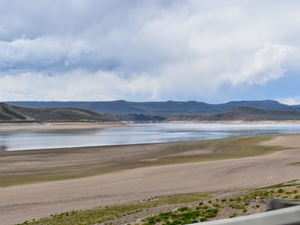
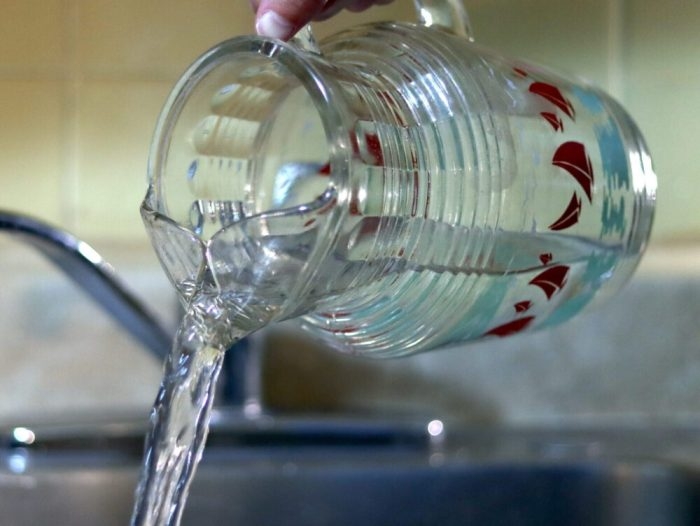
Dec. 16, 2024, marked the 50th anniversary of the Safe Drinking Water Act, which regulates drinking water quality across the United States. (Photo by Cami Koons/Iowa Capital Dispatch)
U.S. Reps. Rashida Tlaib (D-Detroit) and Debbie Dingell (D-Ann Arbor) have renewed efforts to establish a federal program to help low income Americans access drinking water, reintroducing the Water Access and Affordability Act on Monday.
The representatives previously introduced the effort in 2024. If passed by both chambers of Congress, the bill would create a low-income water affordability program housed in the U.S. Environmental Protection Agency.
The EPA’s administrator must initiate the program within a year of the bill taking effect, providing financial assistance to low-income households, technical assistance to community water systems alongside setting data collecting and reporting requirements on the effort.
“Our families can’t live without access to water,” Tlaib said in a statement. “We have a federal program for electricity and gas, but no permanent program for water. Millions of our neighbors across our country are having their water shut off simply because they cannot afford the rising bills.”
Tlaib added that safe, accessible, and affordable drinking water was essential to public health, and many water utilities cannot afford to maintain their infrastructure.
The bill has been endorsed by the Congressional Progressive Caucus, alongside several organizations supporting economic and environmental justice, such as Earthjustice, the Natural Resources Defense Council, Mothering Justice, Clean Water Action and the National Wildlife Federation.
The minimum program requirements include:
- Provisions to promote universal access to drinking water assistance for low-income households, including automatic enrollment and requirements minimizing enrollment burdens;
- Assistance to low-income households, including direct financial assistance, debt relief, water crisis and disconnection assistance, and water efficiency assistance including plumbing repairs;
- A prohibition on water service disconnections and associated fees; and
- Equitable treatment of owner-occupant households and renter households.
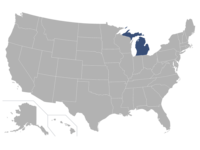
Lansing, MI