Naig: Iowa is monitoring screwworm; parasite poses no food-safety risk
Jun 05, 2026 | 1:38 pm ET
Description
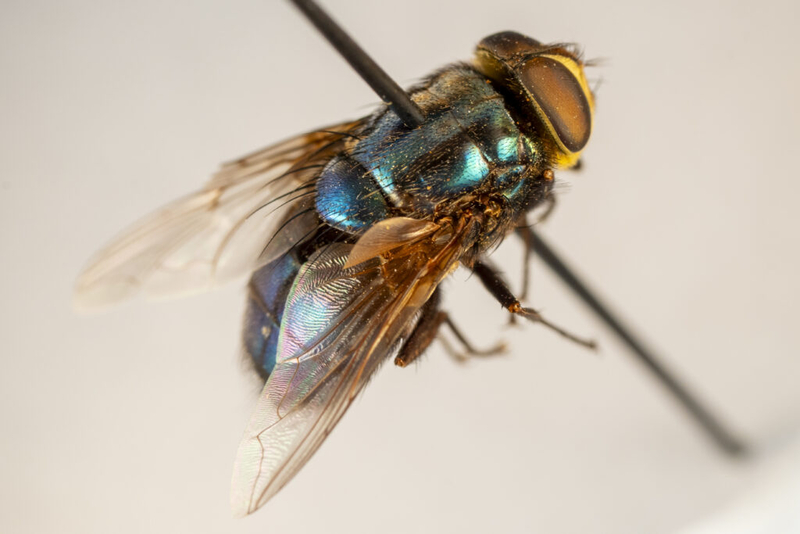
A pinned specimen of a full-grown New World screwworm fly is shown in this image. Federal and state officials are preparing for a potential invasion from the flesh-eating parasite that could disrupt livestock markets. (Photo courtesy of Michael Miller/Texas A&M AgriLife)
Iowa Secretary of Agriculture Mike Naig said the state “stands ready” to protect livestock and farmers from screwworm.
Naig’s statement came in a press release issued Friday, two days after the U.S. Department of Agriculture confirmed the nation’s first case of New World screwworm, a parasitic fly that infests and feeds on warm-blooded animals, including humans, in Texas. A sample from a Texas calf was tested and confirmed to be infected at the USDA’s Veterinary Field Services Laboratories in Ames.
In the press release, Naig praised the leadership of U.S. Secretary of Agriculture Brooke Rollins, adding that the parasite poses no risk to food safety, including meat.
“I appreciate Secretary Rollins’ leadership and all the work her team at USDA is doing to quickly respond to this case and work to prevent the spread of the parasitic New World Screwworm fly,” Naig said. “The Iowa Department of Agriculture and Land Stewardship is closely monitoring the situation in Texas, and our team stands ready to respond as needed to protect Iowa livestock and our farm families’ livelihoods. Consumers should know that there is no food-safety risk associated with New World Screwworm and properly cooked meat remains safe to eat and enjoy.”
According to the USDA, only one case of screwworm has been detected in the U.S. so far. The case marks the first time since the 1960s screwworm has been reported in the U.S after the parasite was eradicated nationwide.
The USDA is also encouraging pet and livestock owners to check their animals for large wounds, signs of discomfort, larvae and eggs.
“USDA urges residents in the area to check their pets and livestock for signs of NWS. Look for draining or enlarging wounds and signs of discomfort. Also look for screwworm larvae (maggots) and eggs in or around body openings, such as the nose, ears, and genitalia or the navel of newborn animals,” a USDA press release said. “If you suspect your animal is infected with screwworm, contact your state animal health official or USDA area veterinarian in charge immediately.”
Des Moines, IA