Gov. Polis declares statewide drought emergency
Jun 05, 2026 | 3:05 pm ET
Description
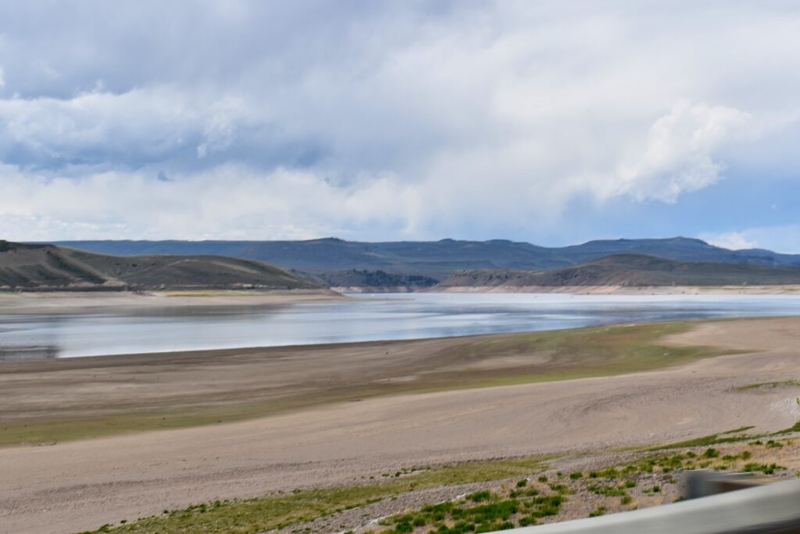
Colorado's drought-stricken Blue Mesa Reservoir near Gunnison is pictured on May 30, 2021. (Photo by Chase Woodruff/Colorado Newsline)
Gov. Jared Polis declared a statewide drought emergency Thursday in response to Colorado’s warmest winter on record, which also brought record-low snowpack.
The U.S. Drought Monitor says nearly 93% of the state is in moderate to exceptional drought conditions, with 75% in at least severe conditions as of Thursday.
The declaration is a requirement of the state moving into Phase 3 of its Drought Response Plan, the most severe phase in the plan. Polis said Phase 3 of the plan “allows us to better coordinate agencies, prepare for worsening conditions, and support Colorado communities, agriculture, water users, and our environment.”
State agencies will work to reduce outdoor water use at all state facilities under the declaration, and Polis encouraged Coloradans “to use water wisely.” The declaration also opens up emergency funding and the potential for a federal disaster declaration.
Polis convened the state’s Drought Task Force in March as part of Phase 2 of the drought plan, bringing together state agency leaders to assess how dry conditions affect different parts of the state. The task force and the Water Conditions Monitoring Committee recommended that Polis declare a state of emergency earlier this week.
The task force will continue to meet regularly to monitor drought conditions, coordinate state response efforts and share resources to support communities affected by the drought.
Hotter, drier conditions in Colorado have stressed water supplies, made the state’s forests more vulnerable to insects and diseases, and greatly increased wildfire risk. The three largest wildfires in Colorado history all occurred in 2020, and the state’s 20 biggest fires on record have all occurred in the past 20 years.
Dan Gibbs, executive director of the Colorado Department of Natural Resources, said the state will now have additional flexibility to help meet the needs of Colorado communities experiencing severe drought conditions.
“The state has been actively preparing for evolving drought conditions throughout the season, and for the last decade has supported Colorado communities and water users in becoming more drought resilient,” Gibbs said in a statement.
Denver, CO