Southwest Ohio to lose two health clinics over federal, state budget Medicaid cuts
Jul 18, 2025 | 4:55 am ET
Description
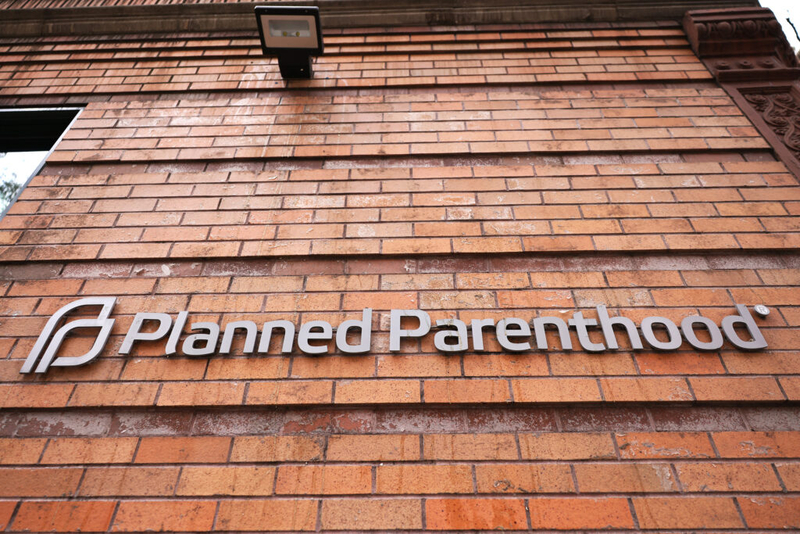
A Planned Parenthood building. (Photo by Michael M. Santiago/Getty Images)
Southwest Ohio is going to lose two reproductive health clinics due to the federal budget changes to Medicaid, a loss that could mean more abortions will happen, according to the leader of the clinics.
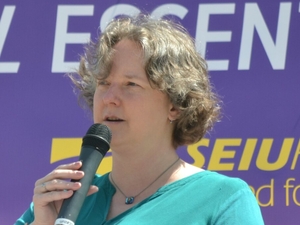
Planned Parenthood Southwest Ohio Region announced Thursday that its Springfield and Hamilton clinics will close as of Aug. 1. Nan Whaley, the president and CEO of the Planned Parenthood affiliate, cited the federal reconciliation bill and state budget changes to Medicaid as reasons for the changes. The changes included work requirements for Medicaid patients along with a loss of funding, preventing Medicaid funding from going to Planned Parenthood nationwide.
“This decision, driven by politics, not public health, harms real people who already face immense barriers to care,” Whaley said in a Thursday media call.
Clinics had been bracing for the potential cuts as the federal and state budget process continued earlier this summer, along with threats of funding freezes from the Trump administration of Title X “family planning” grants that go toward research, contraception, health screenings, and testing programs.
Planned Parenthood Southwest Ohio Region will still provide telehealth services, self-pay options and services for those with commercial insurance. For Medicaid patients looking for other options, the affiliate has a referral network it plans to use to redirect patients to resources.
The Southwest Ohio affiliate said patients were notified through letters and messages in the health care software MyChart.
“The affiliate is working hard to ensure that all patients have the information they need to find alternative providers in their communities,” a press release announcing the closures stated, adding the region “does not anticipate additional closures at this time.”
The two clinics that are being closed were chosen based on their volume of Medicaid patients regularly treated there, and the loss will be felt throughout the region and nationwide as the changes are implemented.
“The loss of Medicaid will make people not receive care, so when folks get kicked off Medicaid, that means they’re not going to their federally qualified health care center, they’re not going to Planned Parenthood, they’re not going anywhere,” Whaley said.
While the Medicaid budget changes bar health care providers who offer abortion services from being a part of the Medicaid program, the two clinics that are being closed weren’t clinics that offered that service.
The services that will suffer because of the closures will be in the area of preventive health, such as tests for sexually transmitted diseases, birth control access, cancer screenings and other wellness practices.
“Places like rural Ohio, with access deserts, will be the first place to pay the price,” Whaley said.
The president and CEO said the two clinics in the Southwest Ohio region that do provide abortion care, in Dayton and Cincinnati, will remain open and will still provide those services, along with gender-affirming care.
“The money for Medicaid was never spent in Ohio on abortion,” Whaley said. “It was spent on cancer screenings, on birth control, that’s the work that we were doing every day that was preventative.”
The loss of clinics that provide preventive care will not only cause more people to skip getting health care or resort to costly emergency room care, but could also increase sexually transmitted diseases and unintended pregnancies, along with abortions, the very thing many opponents of Planned Parenthood hope to stop.
“While Medicaid dollars were not being spent (on abortion care), what is interesting to me about this decision, for us here in Southwest Ohio, it will actually increase the number of abortions and lower the number of people getting birth control,” Whaley said. “So, not the answer that the legislature thought they really wanted, I don’t think.”
The closures come as the national Planned Parenthood organization has sued the Trump administration over the budget cuts directly impacting Planned Parenthood.
A federal judge blocked the funding cuts to the organization earlier this month, but the U.S. Department of Justice has asked for a reversal of that ruling.
While Planned Parenthood has said almost 200 health care centers could be at risk over the federal funding, Whaley said the state-level actions are having their own unique effects.
“Our challenge isn’t just the federal lawsuit, but we’re in a state … where the state legislature pays no attention to the needs of its community, and the passage of the Ohio budget that changed the rules around Medicaid is the reason why we had to move so swiftly today,” Whaley said.
Columbus, OH