Small farmers push Michigan House committee to back bills legalizing farm-to-consumer raw milk sales
Jan 15, 2026 | 2:39 pm ET
Description
Getty Images
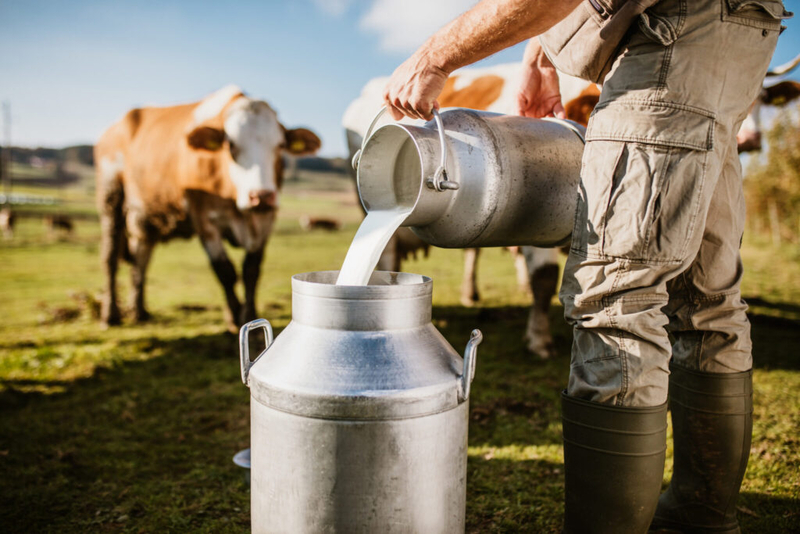
As distrust in American health institutions and opposition to established health practices like vaccination increase, proponents of raw milk – which has not undergone pasteurization which kills disease-causing germs – have become increasingly vocal, with some pushing to legalize sales of the product in the name of health freedom and consumer choice.
Members of the Michigan House Government Operations Committee on Thursday heard testimony from small farmers in support of a trio of bills put forth by state Rep. Matt Maddock (R-Milford), allowing farmers to sell raw milk directly to consumers, while setting product and labeling standards, alongside waiver requirements for individuals choosing to purchase the milk.
Under the current law, Michigan farmers are barred from selling unpasteurized milk. However, residents can acquire raw milk by participating in a herdshare program, where members can pay a farmer a fee for an animal’s board or for a share of the animal, which entitles them to a share of the animal’s whole, unprocessed milk.
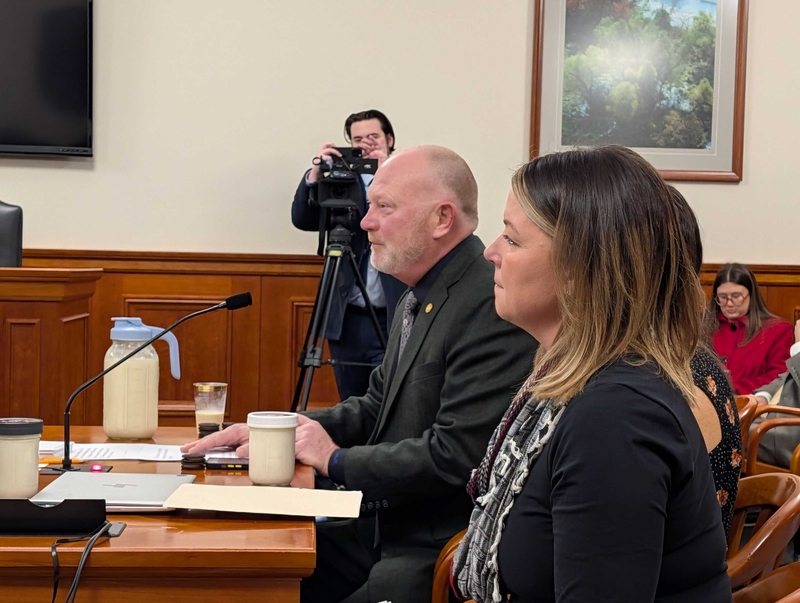
While the Centers for Disease Control, the U.S. Food and Drug Administration and experts at institutions like the American Academy of Pediatricians and Harvard Medical School all advise against consuming raw milk, Ashley Armstrong, who started Armstrong Farms in southwest Michigan, argued that adults in the U.S. are already allowed to make informed decisions involving health risks every day.
“Alcohol, vape pens, sushi with raw fish, raw oysters and even raw cookie dough,” Armstrong said. “In those cases, the government doesn’t ban access. Instead, it provides information and allows adults to decide for themselves. So why shouldn’t adults be allowed to purchase farm fresh foods they believe are healthier for them, while fully understanding and accepting the risks?”
While multiple studies have found no evidence that raw milk is more nutritious than pasteurized milk, bill supporters argued that raw milk contains beneficial compounds for supporting gut health.
According to the FDA, there are no beneficial bacteria in raw milk to support gastrointestinal health, and that Bifidobacteria, which some raw milk advocates have referred to as “good bugs” in the milk, are a sign of fecal contamination, as these bacteria are commonly found in the digestive tracts of humans and animals.
The FDA also notes that raw milk does not cure lactose intolerance, despite arguments to the contrary. All milk, pasteurized or otherwise, contains lactose and proteins that can cause allergic reactions in sensitive individuals, and raw milk does not contain any additional substances to aid in milk digestion.
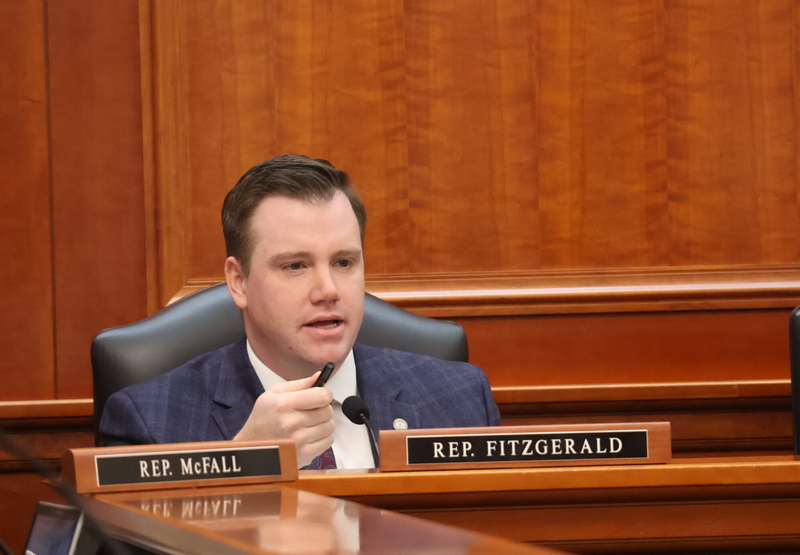
Rick Hitchcock, who runs a family farm in Fowlerville, argued that proper animal hygiene and sanitation practices can ensure safety in raw milk. However, state Rep. John Fitzgerald (D-Wyoming) remained skeptical, noting that even very clean animals can still introduce bacteria like E.coli and listeria into the product.
Later in the hearing, Fitzegerald pointed to a study shared by the CDC which found raw milk was linked to 202 outbreaks of foodborne illness and 2,645 illnesses between 1998 and 2018. This includes 228 instances of hospitalization and three deaths.
Armstrong countered, arguing that raw milk only accounted for a small number of the 21,919 foodborne outbreaks reported during this period. However, consumers of raw milk are also in the vast minority of Americans, with a 2022 study published in the Journal of Food Protection finding 4.4% of U.S. adults reported drinking raw milk at least once in a 12 month period.
Another study, published in 2017, found that unpasteurized milk and cheese accounted for 96% of illnesses caused by contaminated dairy products.
Maddock’s House Bills 5217, 5218 and 5219 received 133 cards in support, with Maddock telling committee Chair Brian BeGole (R-Perry) he had 231 individuals supporting the legislation. However, members of the Michigan Department of Agriculture and Rural Development, Dairy Farmers of America, Michigan Agri-Business Association, Michigan Dairy Foods Association, Michigan Milk Producers Association and Michigan Manufacturers Association submitted cards in opposition to the bills, but did not speak at Thursday’s hearing.
In a letter to the committee, Rebecca Park, legislative counsel for the Michigan Farm Bureau, urged members to oppose the bill, emphasizing the critical role that pasteurization plays in preventing illness and warning that any raw milk related outbreaks would create concerns about Michigan’s broader dairy industry.
“Maintaining the current statutory framework is essential to protecting public health, preserving consumer trust, and supporting the long-term stability of Michigan agriculture,” Park said.
Maddock, however, was unfazed by the broad opposition from business groups and state regulators.
“The corporations don’t want this, but all the people do,” Maddock said as the committee concluded without voting on the bills.
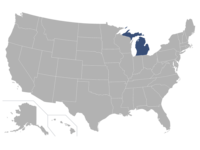
Lansing, MI