Services for West Virginia youth aging out of foster care not meeting demand, new survey finds
May 22, 2026 | 6:00 am ET
Description
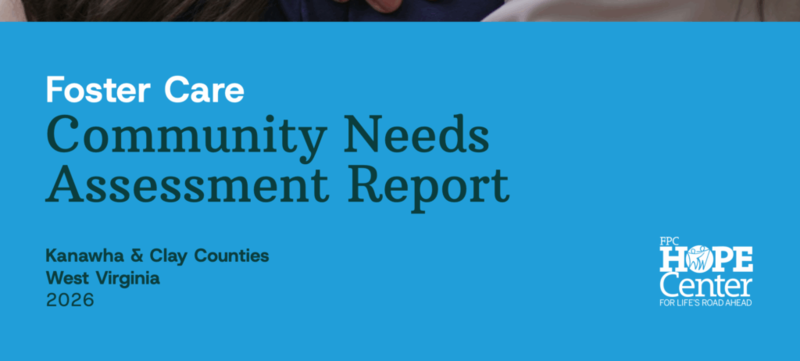
The FPC Hope Center released its “Foster Care Community Needs Assessment Report” on May 21, 2026. (Photo courtesy FPC Hope Center)
Youth aging out of foster care in West Virginia need help with obtaining housing and a vehicle, learning life skills and accessing mental healthcare, according to a new survey of services. The current continuum of care is still falling short despite efforts.
The report by the FPC Hope Center was released Thursday in Charleston. They surveyed groups working with foster children aging out of care in an effort to better understand service gaps and how organizations could better work together.
Programs helping these teens and young adults currently have waitlists.
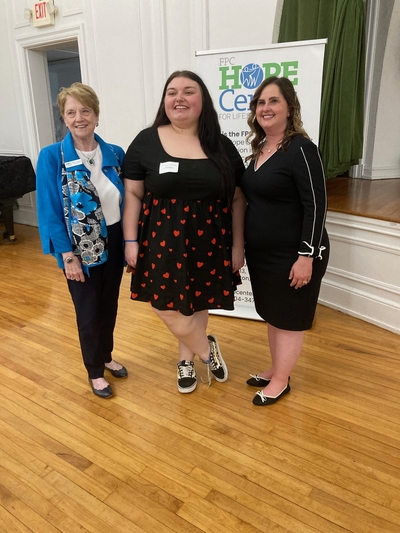
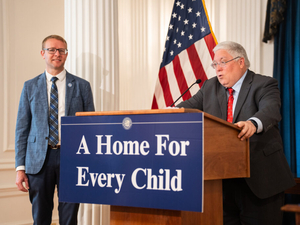
“It was really important for us to take a very critical look and have the conversations with people, because that’s how we learn things,” said Kyla Nichols, executive director of the FPC Hope Center, a nonprofit by Charleston’s First Presbyterian Church. The group released the survey at an event at the Charleston Women’s Club.
“No one system, agency or provider can fully meet all of the complex needs of these young adults transitioning out of care. It takes all of us working together, listening together and building together to ensure that young people don’t simply exit care, that they move forward into stable, supportive and hopeful futures,” she said.
There are 5,880 children in West Virginia’s overwhelmed foster care system, and the highest rate of those children are ages 13 to 17. There are around 400 young adults in foster care ages 18 to 20.
Teens and young adults aging out of foster care are at high risk for becoming homeless during the transition to adulthood or being incarcerated. More than 50% are unemployed by age 24.
Ceira Roberts recently aged out of West Virginia foster care after bouncing around the state in numerous placements. She graduated from high school and credited mentors in her life who helped her find housing and full-time employment in Charleston.
“Before you turn 18, most people are helping you set up those appointments. The biggest barrier I have is figuring out how to just make a phone call, how to set up that appointment,” she said.
Between October 2025 and March 2026, the FPC Center surveyed 14 organizations working in Kanawha and Clay counties. Groups included nonprofit organizations, educational institutions, behavioral health providers and government agencies.
The report highlighted that while groups are trying to help youth aging out of care, it’s often a fragmented system where children still slip through the cracks.
Nine out of the 14 respondents indicated that services do not sufficiently meet demand, and five respondents reported that services exist but are difficult for youth to access and navigate.
“In many cases we know that these services exist, but for a young adult already navigating trauma, instability or crisis, accessing those services can feel nearly impossible at times, especially in our rural communities outside of Charleston city limits” Nichols said. “Transportation alone can determine whether a young adult can access services or not.”
Roberts highlighted the difficulties youth aging out of foster care face getting a driver’s license or car.
“Because you have to have a car to get a license, you have to have somebody to teach you, so you don’t have that support when you don’t have anybody who’s willing to teach you,” she said.
The report noted areas of improvement, like reducing fragmented services through enhanced communication between providers to get youth the help they need.
Bill vetoed to expand care for youth aging out of care
A recent investigation from Mountain State Spotlight found that West Virginia returned nearly $7 million to the federal government that was meant to help foster children transition into adulthood.
Only 13% of West Virginia foster youth received federally-funded transitional support services from 2018 to 2023, compared to 81% nationally.
During the recent legislative session, state lawmakers prioritized youth aging out of care, introducing a number of bills to better streamline and expand care for this population.
The Senate and House passed a key measure, House Bill 4730, to expand in-state programs that help children aging out of foster care with independent living, finding employment, continuing their education and more.
Gov. Patrick Morrisey vetoed the bill last month, citing the potential price tag and its “uncontrollable cost drivers.” Leaders with the state Department of Human Services told lawmakers earlier this week that they still plan to expand services for children aging out of foster care.
Roberts said that addressing the problems facing children aging out of foster care will take a financial investment. She hopes the report will spark change in how organizations collaborate and address barriers.
“We just really want to bring organizations together and service providers together, and just continue being collaborative and just really changing the narrative,” she said. “We want warm handoffs for referrals rather than just some information on a paper.”
Nathaniel Patterson is an independent living coordinator at Daymark, a youth services agency in Charleston that supports youth aging out of foster care. Their site includes five studio-like living quarters for this population to support independent living.
“Everything that came out of the Hope Center’s needs report are all issues that are facing our foster youth, especially the ones merging into adulthood,” Patterson said. “The biggest element that I heard today was transportation.”
Charleston, WV