SC students improve in math and reading, though less than half meet math benchmarks
Aug 10, 2026 | 5:58 pm ET

Description
Second grade students work on math equations at Seven Oaks Global Magnet in Columbia, S.C., on Monday, Oct. 27, 2025. (Photo by Skylar Laird/SC Daily Gazette)
COLUMBIA — Elementary and middle school students posted their best scores yet on end-of-year standardized tests, though more than half still can’t calculate as expected for their age, according to state testing data released Monday.
Third- through eighth graders continued to improve in both math and reading, though scores were still generally stronger in reading, according to results from the annual SC READY tests.
Just over 61% of all students tested in the spring could read on grade level, an almost 2 percentage-point improvement over last year’s statewide average. Nearly 48% could do math as expected for their grade, up from 44%.
Less than half of SC’s 3rd to 8th graders can do math on grade level, as reading scores surge
In both cases, more students are meeting or exceeding expectations for their grade levels than any year since the test’s introduction in 2015.
“These results tell a powerful story about what’s possible for South Carolina’s future,” state Superintendent Ellen Weaver said in a news release. “Our students are proving they can compete with anyone, anywhere.”
The state Department of Education has pointed to changes in how students learn to read as a big reason for improvements in English scores. A similar program training teachers in different ways of teaching math, known as the Palmetto Math Project, launched this spring, and state officials hope that will help springboard math results as well.
“This is the new starting line, not the finish line,” Weaver’s statement continued. “Just like a GPS, this data helps us locate ourselves on the map, to celebrate how far we’ve come and to focus our planning for the journey still ahead.”
Students’ scores are moving closer to the department’s 2030 goal that three-quarters of all students perform at or above grade level in both subjects. Just two districts met that goal in reading this year: York 4 in Fort Mill and Anderson 4 in Pendleton. No districts have scores that high in math.
The education department highlighted the work done at Meeting Street Elementary at Burns in North Charleston, where students were among the most improved in both math and English. Scores across the board increased 22 percentage points this year compared to last, with nearly 65% of students performing at grade level in both subjects.
Every SC K-3 teacher must finish literacy training in 2026. Officials say it’s already working.
Nearly 90% of students at the school live in poverty, which usually leads to lower test scores because of stressors outside the classroom and fewer resources to help struggling students.
The school is one of four Meeting Street schools, which operate under a public-private partnership in an effort to give low-income students the support they need to succeed. The schools receive support from philanthropist Ben Navarro, who supports various education initiatives through Beemok Education.
“Together, we’re demonstrating that innovative approaches can deliver extraordinary results for students and help change the landscape of public education in South Carolina,” said Josh Bell, president of Beemok Education, in a news release. “We’re proud of the meaningful progress we’ve made, and we’re just getting started.”
Younger students continued to outperform their older peers in both math and reading.
About 59% of eighth graders were reading on grade level, compared with 64% of third graders and 66% of fourth graders.
Similarly, 44% of eighth graders could do math as expected, while 59% of third graders were hitting their grade’s benchmarks, according to the statewide data.
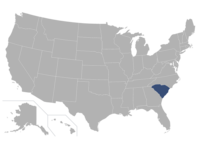
Columbia