Rising costs are outpacing retirement. Social Security taxes make it worse.
May 21, 2026 | 5:30 am ET
Description
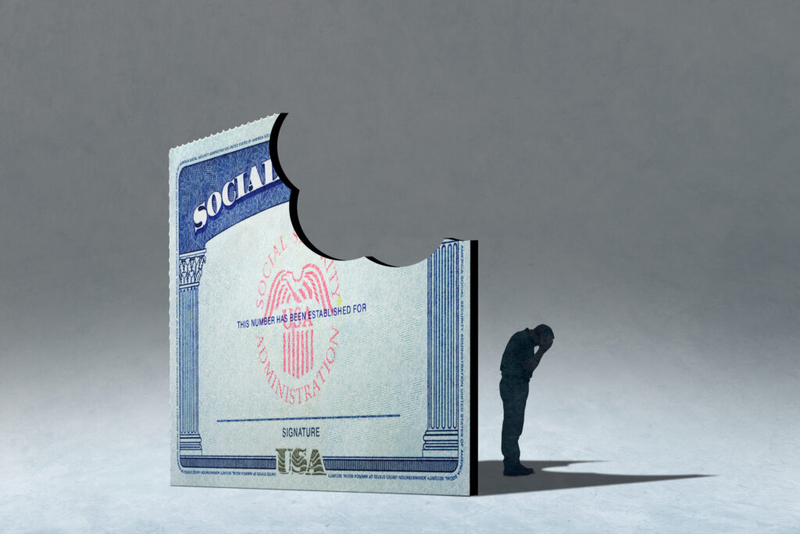
Rhode Island's state tax on Social Security benefits undermines the purpose of Social Security, which was to lift older adults out of poverty, AARP Rhode Island says. (Getty photo illustration)
Rhode Islanders have spoken: They want the state tax on Social Security eliminated. This week, AARP Rhode Island presented a petition with 5,200 signatures to General Assembly leaders. Rhode Islanders demand that this unfair tax be eliminated. Here is why:
By the time Rhode Islanders reach their early 60s, most are no longer climbing a career ladder. They are trying to stay afloat.
For older adults, today’s cost of living bears little resemblance to what it was when they began paying into Social Security decades ago. Housing, healthcare, insurance, transportation, and food costs have surged well beyond wage growth and far faster than Social Security’s annual cost-of-living adjustments. Yet Rhode Island continues to tax Social Security payments, pulling dollars away from people who depend on every check to cover basic needs.
Medicare premiums tell the story alone. In the mid-2000s, Part B premiums were under $80 per month, and Part D prescription coverage was new and inexpensive. Today, Parts B and D together cost roughly $230 each month, before deductibles and copays.
Prescription drug spending has climbed as well, rising from under $900 per person annually to around $1,500 as medication prices increase, and chronic conditions become more common with age.
Housing costs have also shifted dramatically. Twenty years ago, fewer than one in four homeowners aged 65 to 79 still had a mortgage. Today, it is more than four in ten, and the median mortgage debt has jumped from about $21,000 to well over $100,000. Property taxes and homeowners’ insurance have increased sharply too, adding thousands of dollars a year to fixed budgets. Nationally, average homeowners’ insurance premiums have more than tripled since 2005.
For many older Rhode Islanders, income does not rise to match these increases. Social Security remains the primary source of income for a large share of retirees. These are former teachers, healthcare workers, municipal employees, and private-sector workers who did everything right — worked steadily, paid payroll taxes for decades, and planned carefully.
By the time Rhode Islanders reach their early 60s, most are no longer climbing a career ladder. They are trying to stay afloat.
Many older Rhode Islanders are still paying for the rising cost of college even as they near retirement. Notably, 74% of undergraduate families rely on parent income and savings to help cover tuition, contributing an average of $15,754 in the 2024–25 academic year. For parents that often means drawing down savings, tapping home equity, or delaying retirement altogether — adding yet another layer of financial pressure before Social Security benefits even begin.
The pressure starts long before retirement. While the Social Security payroll tax rate has remained at 6.2%, the amount of wages subject to that tax has nearly doubled over time. Workers contribute more throughout their careers, take home less of each paycheck, and then face state taxation when benefits finally arrive.
Forty-two states, including Massachusetts, New Hampshire and Maine, have recognized how counterproductive this is and have eliminated taxes on Social Security. Rhode Island has not. The result is a quiet but steady push for older residents to leave the state along with their spending, volunteer hours, and community ties, just when our communities need stability most.
At a moment when nearly everything costs more — healthcare, housing, food, transportation, and staying connected — taxing Social Security only deepens the squeeze. If Rhode Island wants people to age in place and remain active members of their communities, it should stop taxing the foundation of their retirement security.
Providence, RI