Report finds bacteria from fecal matter affecting Pennsylvania rivers and streams
Aug 24, 2026 | 4:47 pm ET
Description
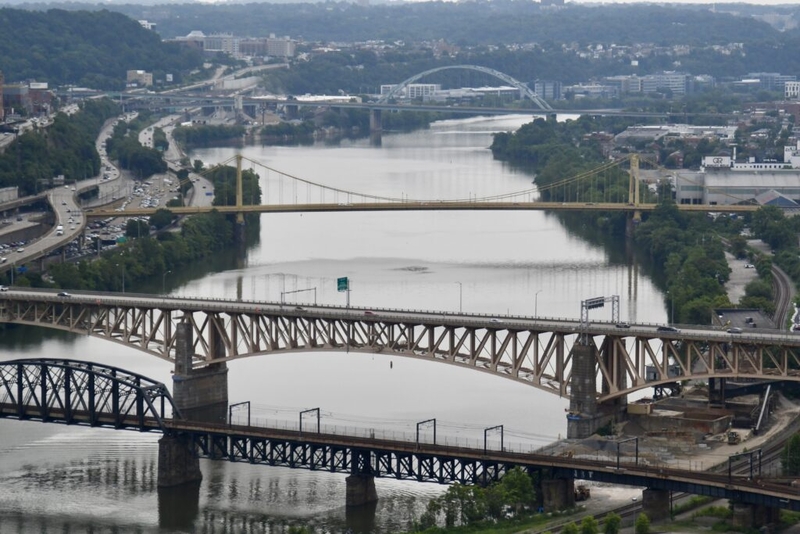
Bridges across the Monongahela River in Pittsburgh (Photo by Peter Hall/Pennsylvania Capital-Star)
A report found rivers and streams across Pennsylvania are testing positive for harmful levels of the bacteria E. coli, which spreads through fecal matter.
The nonprofit PennEnvironment found that at 55% of 653 monitoring sites, levels of E. coli reached potentially unsafe levels for swimmers in 2024 and 2025. Nearly 40% of testing sites tested positive for unsafe levels of the bacteria on at least one-quarter of the days they were tested.
E. coli is especially harmful for swimmers. It can cause gastrointestinal illness, respiratory disease and infections of the skin, ears and eyes. But the report notes that bacteria can be harmful for people engaging in other recreational activities like fishing, boating or paddling.
The report released earlier this month highlighted particularly unsafe conditions in the Philadelphia section of the Delaware River, the Brandywine Creek in Delaware County, the Pittsburgh section of the Monongahela River and Allegheny River in Venango County.
The group created an interactive map to see test results across the state.
In the Philadelphia section of the Delaware River, E. coli levels tested exceeded what’s known as the Beach Action Value — meaning they were high enough to cause closures or advisories — at 37 out of 43 testing locations on at least one day. At 12 locations, E. coli levels exceeded Beach Action Values on all days they were tested.
Nearly 90% of samples taken from Pittsburgh’s Saw Mill Run had unsafe levels of fecal bacteria.
And parts of the Allegheny River and Brandywine Creek also tested positive for potentially unsafe levels of bacteria every day samples were taken in 2025.
“Pennsylvanians love our state’s rivers and streams as popular destinations to paddle, swim and fish, but sometimes the water isn’t as safe as it should be,” said David Masur, executive director of the PennEnvironment Research & Policy Center. “We ought to have access to clean, healthy water when we visit our great waterways in any part of Pennsylvania.”
High levels of pathogen pollution can be caused by outdated sewage systems and private septic systems, sprawling development and factory farming.
The report urges state, local and federal leaders to invest in repairing and modernizing wastewater and stormwater infrastructure to prevent spills, leaks and overflow; protecting and restoring wetlands, floodplains and streamside buffers that act as natural filters for pollution; and expanding water quality monitoring.
According to PennEnvironment, the U.S. Environmental Protection Agency has estimated it will cost nearly $640 million a year to repair and improve Pennsylvania wastewater and stormwater infrastructure over a 20 year period. In the 2026 Fiscal Year, Congress appropriated $135 million to the state through the Clean Water State Revolving Fund.
“Other communities swim in their waterways, but Philly’s rivers are so polluted that most of us forget that this is something we should be able to do here,” said Jamie Gauthier, chair of the Philadelphia city council’s Committee on the Environment. “I’ll keep working with the Philadelphia Water Department to make our rivers safe for recreation, and advocate for the federal and state investments we need to accomplish this.”
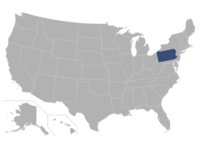
Harrisburg, PA