State utility regulator approves contract for hyperscale data center in Hancock County
Aug 24, 2026 | 1:16 pm ET
Description
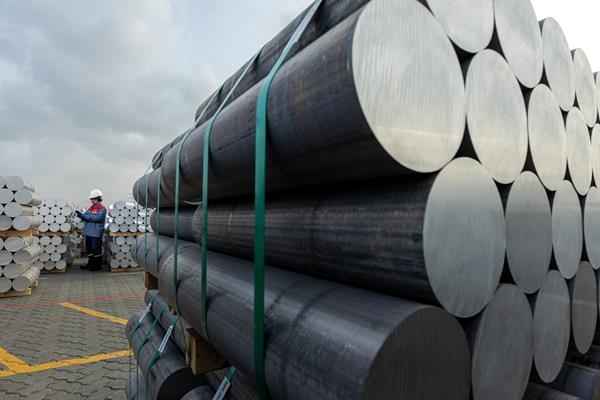
Century Aluminum is selling its idled Hawesville smelter in Western Kentucky to a data center company after choosing Oklahoma as the site for a new smelter, the first built in the U.S. since 1980. (Century Aluminum photo)
Kentucky’s utility regulator has approved an electricity service contract for a hyperscale data center wanting to set up shop at a former Hancock County aluminum smelter that shuttered years ago, a key step forward before the power-intensive data center can begin operating.
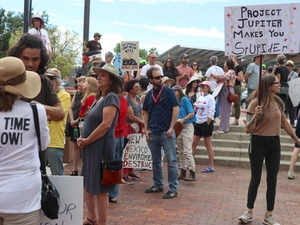
In a Friday afternoon order, the Kentucky Public Service Commission wrote the electricity service contract between investor-owned data center developer TeraWulf and utility Big Rivers Electric Corporation provides “adequate protections” for ratepayers, “appropriately allocates” financial risks and sets “fair, just and reasonable” rates. The commission approved the contract despite strong concerns from local residents over the potential impacts the project could have on the environment and utility bills.
In Monday morning posts on X, Maryland-based TeraWulf wrote the order was a “major milestone” and that it “validates how responsible large-scale data infrastructure can be developed.”
TeraWulf wants to use 482 megawatts of electricity transmission infrastructure at the site of the former Century Aluminum smelter to power a hyperscale data center, a project that has the backing of artificial intelligence company Anthropic. The company, which also wants to build a hyperscale data center at an Eastern Kentucky industrial park, wrote earlier this month it was committing to Democratic Kentucky Gov. Andy Beshear’s requirements for data center developers.
In the 30-page order, the commission wrote the electricity contract provided a number of requirements including that TeraWulf pay for the electricity it gets from the regional power grid operator MISO and its own electricity transmission infrastructure upgrades. The commission wrote the contract also provides protections for if the data center uses “substantially less” electricity than expected. An attorney with an environmental legal group did raise concerns about the potential for regional transmission costs to serve the data center being borne by ratepayers.
The Public Service Commission consists of a board of commissioners who weigh requests from utilities including the reasonableness of specific electricity contracts for industrial sites.
The commission also considered economic development benefits of the project, writing that TeraWulf attests the project could create at least 90 jobs at the site of the former smelter that previously employed approximately 600 people. The commission also wrote the utility could receive tens of millions of dollars from the contract, along with the potential for local tax revenue that was “not guaranteed.”
“The projected financial and community benefits provide additional support for the Commission’s conclusion that approval of the RESA is consistent with the public interest,” the commission wrote.
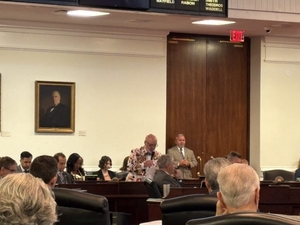
The state regulator also wrote it reviewed commentary from local residents from a July public hearing held in Hancock County worried about environmental impacts and lasting economic benefits. The regulator wrote other commenters supported the potential for jobs and tax revenue the project could bring.

Gary Elder, a resident of the Hancock County city of Lewisport who worked at the former smelter for 40 years before retiring in 2015, spoke at the public hearing in Hancock County. He told the commission he was worried about the potential of data centers exacerbating rising utility bills.
In a phone interview Monday, Elder said he spoke with the Hancock County Judge-Executive Johnny Roberts, the county’s top elected official who supports the project. Elder said the data center “might not be a bad thing” with the potential for local tax revenue. But he worries about the downsides of data centers, having read news reports detailing data center impacts with noise, pollution and utility bill increases.
“We know the good because they’re showing it. We haven’t seen the bad yet,” Elder said.

Frankfort