Kansas agriculture, political leaders dubious of President Trump’s beef import strategy
Aug 24, 2026 | 5:27 pm ET
Description
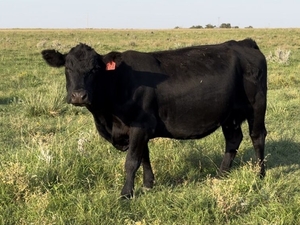
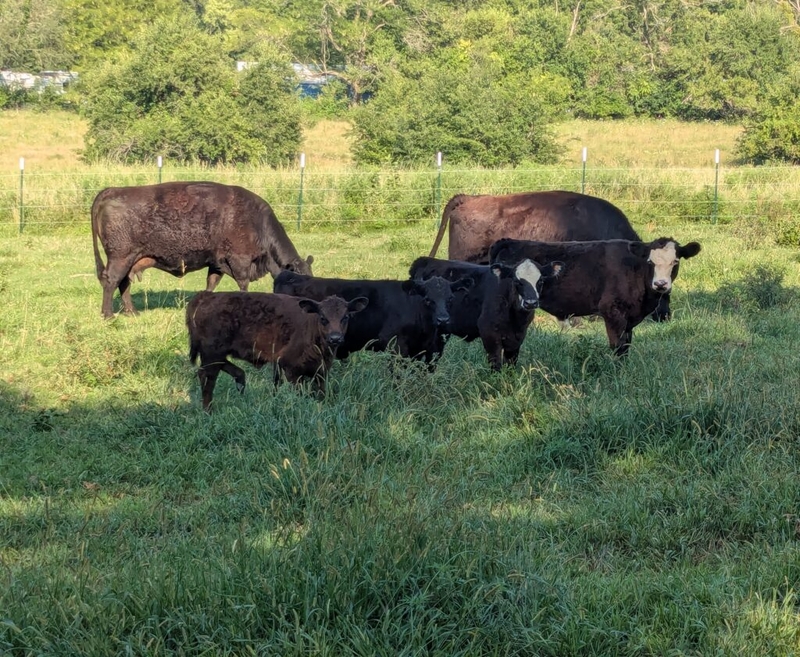
Cattle producers in Kansas and politicians representing the state sound an alarm about President Donald Trump's 90-day plan to flood the U.S. market with imported beef ahead of the November elections to placate voters anxious about food costs. (Photo by Tim Carpenter/Kansas Reflector)
TOPEKA — Kansas ranchers and their representatives in the U.S. Senate responded with skepticism to President Donald Trump’s plan to ease tariffs on beef imports for 90 days in an attempt to moderate domestic grocery prices through the midterm election in November.
Glenn Brunkow, president of the Kansas Farm Bureau, warned that the president’s manipulation of the market by temporarily surging beef imports could be harmful to farmers and consumers.
“President Trump’s call to sell foreign beef below market prices is bad for consumers, destructive for ranchers and anti-American in principle,” said Brunkow, a fifth-generation Pottawatomie County farmer producing crops and livestock. “The answer to increasing prices in grocery stores isn’t selling out American farmers and ranchers to buy votes in November.”
He said the president should support U.S. cattle producers in ways that gradually expanded the domestic herd so supply of this staple of the American diet would better match demand.
The U.S. Department of Agriculture reported the U.S. cattle herd, which included beef and dairy cattle, was the smallest in three-quarters of a century as of Jan. 1.
On Friday, Trump vowed to authorize importation of 330,000 tons of ground beef detached from tariffs linked to quotas. He said there was a commitment by unidentified beef exporting countries to sell the meat at 25% below market rates in anticipation of undercutting record-high prices at U.S. grocery stores. The president hasn’t clarified what countries would deliver that beef to the United States, where the product would be sold domestically and how the 25% discount would be applied.
Meanwhile, the Trump administration decided the threat of screwworm had diminished enough by Monday to open the U.S. border in Arizona to imports of cattle from Mexico.
U.S. Sen. Jerry Moran, a Republican from Kansas, said Trump’s approach was contrary to free-market principles and would put economic pressure on livestock producers operating in a profitable sector of U.S. agriculture. The senator urged the president to “halt this action, listen to ranchers and let the free market work.”
“Economic forces and natural disasters have constrained the cattle herd for years, and importing beef below market prices will only put further downward pressure on the livestock sector, endangering what has been a bright spot in a struggling agriculture industry,” Moran said.
Moran’s remarks paralleled his opposition to Trump’s plan in 2025 to bring Argentinian beef into the United States to lower consumer prices. That market intervention would be “very detrimental to our country and particularly to livestock producers,” Moran said at that time.
Adam Hamilton, the Democratic nominee for the U.S. Senate seat held by the GOP Sen. Roger Marshall, complained that Marshall didn’t move quickly Friday to condemn Trump’s latest plan to flood the market with foreign beef. He said it should be easy for Marshall to break with the president given the number GOP colleagues questioning Trump’s intervention on beef imports.
“When a Washington policy is going to hurt Kansas, it is our senator’s job to stand up and say, ‘Mr. President, this is wrong,'” Hamilton said. “He should listen to the Kansas agricultural leaders calling out damaging and chaotic trade policies.”
Marshall, who is seeking a second term in the Senate, said in a statement Saturday the diminished size of the U.S. cattle herd was key to consumer pricing issues.
“Beef prices trace back to one thing: The smallest cattle herd of my lifetime,” he said. “That’s where long-term solutions and federal policy should focus, not flooding the market with imports.”
Marshall recommended consumers consider purchasing chicken or pork rather than beef.
Justin Tupper, president of the United States Cattlemen’s Association, said jolting the U.S. market with imports during the fall, when many ranchers sold their cattle, could depress prices paid to American cattle producers.
Flooding the supply chain with foreign beef on a price-fixed basis risked eroding consumer trust in domestic suppliers and driving people away from beef, he said.
“You don’t put America first by putting U.S. cattle producers last,” Tupper said. “U.S. ranchers have endured years of low cattle prices and trade uncertainty, and now they are being used as pawns in a 90-day political timeline.”
Topeka, KS