Proposed oil pipeline to B.C. coast spurs alarm in Washington state
Jul 03, 2026 | 12:15 am ET

Description
Increased tanker traffic through the shared border waters of Washington and British Columbia could rise further if Alberta succeeds in building a new crude export pipeline to the West Coast. Here, an oil/chemical tanker steers through Boundary Pass on the way to the Port of Vancouver in late June. (Photo credit by Tom Banse)
The province of Alberta late Thursday announced a route for a new, one-million-barrel-per-day crude oil pipeline to Canada’s West Coast that terminates within about a mile of Washington state waters.
Environmental interests on the U.S. side of the border are worried.
Alberta Premier Danielle Smith and Canadian Prime Minister Mark Carney jointly detailed the fast-tracked plans for the big new pipeline stretching from the Edmonton region to a new export terminal capable of handling supertankers destined for Asian markets. The terminus they identified in the project documents is the Port of Vancouver’s Roberts Bank expansion on the Strait of Georgia.
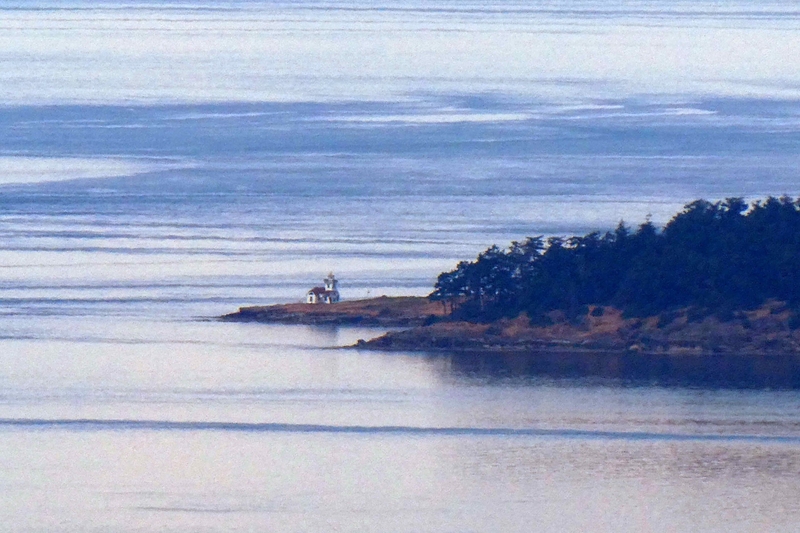
Oil-filled ships traveling from the port pass by the San Juan Islands and Olympic Peninsula as they head out to sea from Vancouver. A spill in Canadian shipping lanes could easily reach north Puget Sound, the Strait of Juan de Fuca and Washington’s outer coast, threatening sensitive ecosystems and killer whale habitat.
The new pipeline proposal could result in substantial additional oil tanker trips through the shared waters of the Salish Sea, warned Lovel Pratt, marine protection and policy director for the environmental group Friends of the San Juans.
“This would significantly elevate the risk of catastrophic oil spills, vessel accidents, underwater noise pollution, and harm to endangered marine wildlife,” the group said in a press release that Pratt shared.
“The increase in oil tanker traffic is especially alarming for the critically endangered Southern Resident killer whales, whose population currently numbers just 74 individuals,” Pratt added.
Northern Washington tribes, including the Lummi, Samish, Swinomish and Makah, strongly opposed a previous Canadian pipeline expansion and can be counted on to oppose this one as well. The tribes argue that the large increase in vessel traffic endangers their treaty rights and threatens vital fisheries.
If there’s a spill in the area, Pratt points out that “Oil knows no boundaries.”
‘Fastest, most cost-effective path’
The project comes as Canada looks to strengthen its economic ties beyond the U.S. and as Carney has said the nation is seeking to become an “energy superpower.”
Alberta Premier Smith said the province chose a southern pipeline route that ends on the shores of the Salish Sea because it can take advantage of the existing Trans Mountain Pipeline corridor as well as established relationships with First Nations.
“This route offers the fastest, most cost-effective path to expanding Canada’s energy exports,” Smith said.
The province’s West Coast pipeline website asserted that marine safety “will be embedded in every aspect of the project’s design and operation.” It goes on to say that the proposal would incorporate “the most advanced marine protection systems available worldwide” as well as “enhanced navigation protocols to safeguard coastal waters.”
In Washington, the state Department of Ecology is the lead agency for oil spill prevention and response. On the cusp of a previous surge in crude tanker traffic in 2024, program managers at the agency told the Standard they felt good about local spill preparedness and had the capabilities to do their job. An Ecology spokesperson said late Thursday that the agency is awaiting more details on the Canadian pipeline proposal before offering a fresh assessment.
“There needs to be a wake up call,” said Fred Felleman, an environmentally-minded Port of Seattle commissioner, who said he was speaking in his personal capacity. “This is an important time for the state to assert its interests in these matters.”
‘We have anxiety about the impact’
Smith announced that Trans Mountain Corporation and Pembina Pipeline would partner with Alberta and the national government to bring private sector expertise to deliver the “nation-changing infrastructure” project. Trans Mountain boasts that it has loaded oil tankers at its Westridge Marine Terminal in suburban Burnaby, B.C., without a single spill from tanker operations since 1956.
Construction on the new pipe to the West Coast could begin in late 2027, but leaders provided no date on Thursday for commencing operation.
Alberta also considered several shorter pipeline routes that would have terminated near Prince Rupert in the far northwest reaches of B.C. But that alternative export route collided with an existing ban on oil tankers along B.C.’s northern coast, which British Columbia Premier David Eby was insistent on keeping in place.
It’s unclear how much Canadian decisionmakers care about what Americans think, but British Columbia’s ruling party and green groups in the province share some of the same concerns coming from the Evergreen State.
“We have anxiety about the impact of any new pipeline project, period, on British Columbia’s coast,” Eby told reporters in Vancouver Thursday morning.
Eby acknowledged that permitting the new oil pipeline falls under federal jurisdiction and B.C. does not have the power to stop it. “We are not going to court to fight a pipeline project,” he said, before adding that he would insist on the province being fairly compensated for environmental impacts.
Prime Minister Carney agreed with Alberta to make the new pipeline a national infrastructure priority as part of a push to increase Canada’s economic independence from the U.S. Quick approval could also be key to tamping down separatist sentiments in Alberta.
“This is a representation of what we are all trying to accomplish to make Canada more independent, more resilient, more prosperous, more sustainable,” Carney said during a joint appearance with Eby on Thursday. He then flew to Calgary to stand beside Alberta’s Smith.
Olympia, WA