Proposal to regulate cryptocurrency ATMs wins NC Senate approval Tuesday
Jun 30, 2026 | 5:04 pm ET
Description
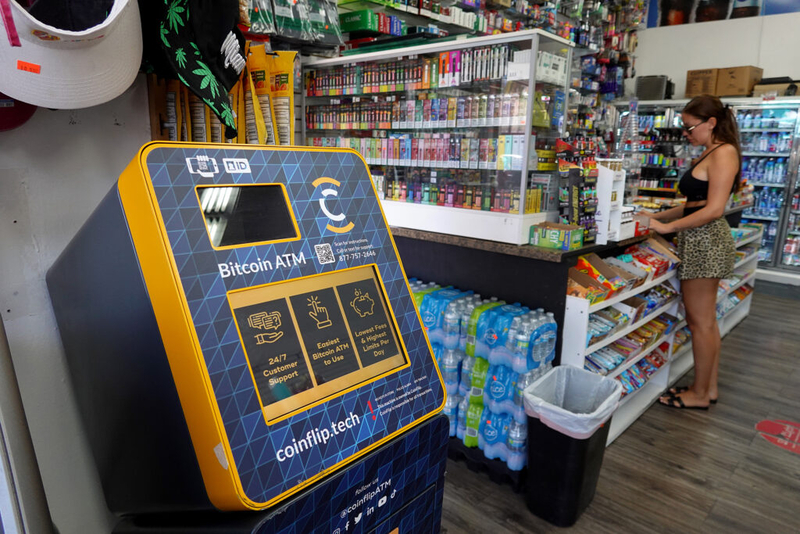
MIAMI, FLORIDA - MAY 12: A cryptocurrency ATM setup in a convenience store on May 12, 2022 in Miami, Florida. Prices of cryptocurrencies have experienced turbulence recently as many have seen their value drop. (Photo by Joe Raedle/Getty Images)
A bill to regulate North Carolina’s burgeoning cryptocurrency ATM industry was approved by the state Senate Tuesday, setting it up for a final House vote later this week.
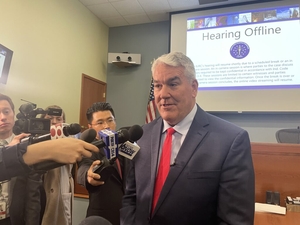
The Senate version of House Bill 920, titled the “Virtual Currency Kiosk Consumer Protection Act,” sets a lower cap than the House did on cryptocurrency ATM transaction fees, which currently run between 20% to 30%. The House had proposed a 14% cap. Senator Tom McInnis (R-Moore) changed it to 12% in a Senate Finance committee meeting Tuesday morning.
When asked by Sen. Joyce Waddell (D-Mecklenburg) why the fees couldn’t be even lower, McInnis said 12% is a good compromise.
“It was significantly higher in the beginning, so this has made significant inroads in bringing it down to something reasonable,” McInnis said. “We’re just trying to make it more reasonable for the consumer.”
NC Newsline reached out to Coinflip, a major operator of crypto ATMs, for comment on the latest version of the proposal. Coinflip did not immediately respond to the request.
Instead of regulating cryptocurrency ATMs, Sen. Gale Adcock (D-Wake) said the kiosks should be banned outright. Adcock noted that Indiana, Tennessee and Minnesota have banned cryptocurrency kiosks statewide.
“I had a wonderful member of the AARP in the office right before I came over here, describing to me the harm that is done through these kiosks,” Adcock said. “I just don’t see a legitimate purpose for them at all, so my question would be, why don’t we just rip this bandaid off?”
According to AARP’s website, cryptocurrency kiosks were used in scams that led to $389 million in reported losses in 2025. Adults 60 and older accounted for 86% of reported losses in cases where the victim’s age was known, according to AARP.
Earlier this month, bill sponsor Rep. Neal Jackson (R-Moore) told House members North Carolina is one of the hardest-hit states for cryptocurrency scams, with more than 4,300 fraud complaints in 2025.
Crypto ATM regulations move quickly through NC House with concessions to industry
McInnis acknowledged that the kiosks are sometimes used to perpetuate frauds and scams. He said lower transaction fees will get the attention of kiosk companies.
“We are addressing the problem you’re talking about with this bill,” McInnis said. “Is it perfect? I don’t think so, but let’s move the bill forward and work on it.”
McInnis said senior citizens in his district have lost money because someone told them to take money out of the bank and convert it to Bitcoin because the “sky was falling” and the “banking system was going to fail.”

Sen. Ralph Hise (R-Mitchell) defended the kiosks, saying they’re often the “only way” some residents can participate in the crypto market, although most cryptocurrencies can also be bought online. Risks are inherent with such enterprises, he said.
“They’re playing them almost as a gambling kind of thing. As that crypto goes up significantly, then they have more funds,” Hise said. “The fees are a problem, but we see this issue in investing all the time.”
As NC Newsline previously reported, cryptocurrency kiosks allow a user to convert currency to blockchain cryptocurrency. They’re currently unregulated in North Carolina, and they’re often used in criminal scams because cash converted to crypto can’t be traced or retrieved.
H920 would subject crypto kiosk operators to the state’s Money Transmitters Act, under the oversight of the North Carolina Commissioner of Banks. It requires consumer protections like scam alert signs on kiosks, live customer service, receipts for transactions, and the ability to cancel a transaction while in progress until it’s finalized. It also allows a 30-day window for customers to claim refunds for fraudulent transactions.
“We have these machines that are located strategically throughout North Carolina, in the areas that make them very susceptible to people that might not be as up to speed on knowing what they do and what they don’t do,” McInnis said. “This bill has some bars in there, and some gateways and some guidelines, and some backstops to try to help that.”
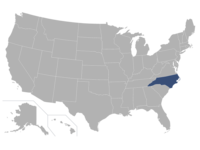
Raleigh, NC