NC lawmakers look into Rocky Mount family’s death after city cut off electricity
Aug 10, 2026 | 7:00 pm ET
Description
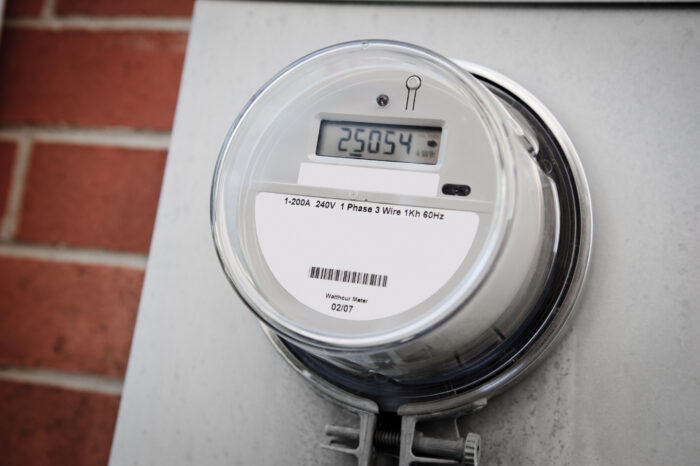
Electric utility meter (Photo: Getty Images)
North Carolina state lawmakers are asking Rocky Mount officials for answers after a family of three was found dead in their mobile home not long after their electricity was cut off due to an unpaid bill. The family was reportedly using a generator in the home, according to relatives.
Assistant city manager C J. Jordan told Newsline Monday the investigation is still ongoing and the state medical examiner has not yet released an official cause of death for Kenny, Tracey and Mahala Swann. The three were found dead on Aug. 3.
Relatives told local news outlets that the Swanns offered the city utility a partial payment to try to avoid having their power cut off, but city policy requires full payment or a plan to pay the entire balance within three months to prevent disconnection, so the city refused the family’s offer.
Don't forget to add quote
Sen. Natalie Murdock said hearing about the tragedy “honestly gave me chills.”
Murdock, D-Durham, and Sen. DeAndrea Salvador, D-Mecklenburg, filed a bill earlier this year that would ban utility companies from shutting off power for nonpayment during periods of high heat.
“I would hope that we would dream of a world where no one dies simply because they’re behind on their energy bill,” Murdock said. “That’s just not acceptable.”
Senate Bill 1027 was never given a hearing by Republican legislative leaders, and no Republicans signed onto the measure.
Unlike in many North Carolina communities, electricity in Rocky Mount is supplied by a city-owned utility. The utility, which handles water, gas and trash as well as power, already charges higher prices than other utility service providers. It has had problems with billing mistakes and delays that have left some city customers owing thousands of dollars, facing disconnection, and unable to contact the utility by phone for help.
The utility delayed shutting off power for several months, but recently resumed disconnections.
A federal program known as LIHEAP — the Low-Income Home Energy Assistance Program — is available to help low-income people pay their utility bills. But Murdock said the program is cumbersome for people to navigate, and its funding has been reduced under the Trump administration. She said the Swanns’ case illustrates the growing need for help.
“When you simply do not have the money when it is extremely cold or extremely hot, and you have these cut-offs, it could literally cost people their lives,” Murdock said. “Now you have three human beings who are no longer with us.”
Rep. Allen Chesser, R-Nash, represents part of Rocky Mount. He declined to be interviewed for this story, but said in a statement he’s been in contact with city leaders about the deaths.
“The investigation is ongoing so I will resist the urge to speculate before it is complete,” Chesser said, adding that his prayers are with the Swann family.
Chesser said Rocky Mount’s city manager and mayor have told him they are “in the process of reviewing how residents actually experience the utility billing process — not just what the written policy provides, but whether a customer in trouble can reach a person, understand their options, and get on an arrangement in time for it to matter.”
“They’re evaluating their procedures against best practices to build in more flexibility where it’s needed, and my office will be following up to check on the progress,” Chesser wrote.
Sweating that next electric bill? NC Senate Democrats say these bills could help.
Murdock said she doesn’t understand why the family’s attempt to make a partial payment wasn’t enough to forestall disconnection.
“We know that there are folks that are operating in good faith. They simply don’t have it,” Murdock said. “They’re making decisions between buying groceries, paying for their medication, paying for increased healthcare, or skipping debt because they know they have a power bill that they can’t afford.”
“When you get to where bills are $1,000 plus in arrears, you’ve got to work with folks because it will take them a long time to dig themselves out of that hole,” she added.
In the meantime, Murdock said she plans to follow up with the city and utilities to look for solutions to the larger problem of rising energy bills in a state that experiences hotter summers every year.
“I will be going directly to the utility, following up with these co-ops to see what can be done, and that includes Duke Energy, I will be asking them what else can we do to assist low-income ratepayers that just simply cannot afford to keep up,” Murdock said. “We just can’t leave them hanging.”
Raleigh, NC