Planned Parenthood drops challenge to SC ban on Medicaid payments
Dec 02, 2025 | 5:22 pm ET
Description
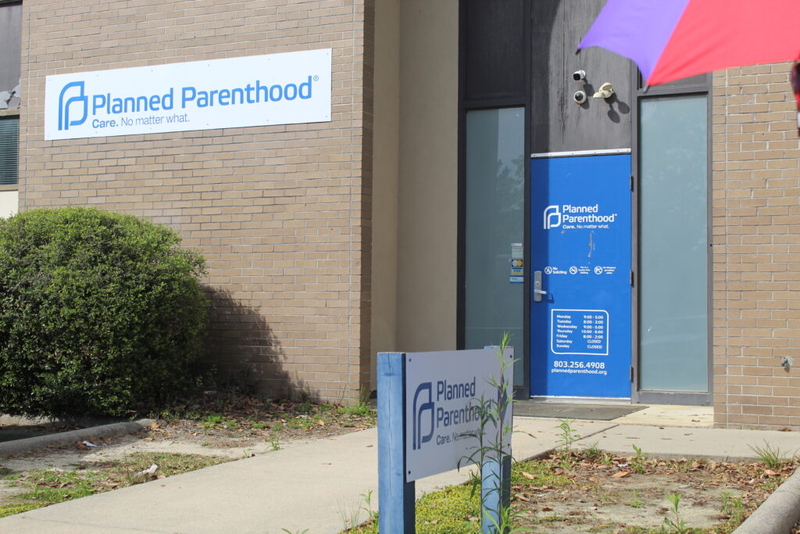
A Planned Parenthood clinic in Columbia, South Carolina, on Friday, March 28, 2025. (Photo by Skylar Laird/SC Daily Gazette)
COLUMBIA — Planned Parenthood dropped a case challenging the state’s ability to remove its clinics from the list of approved Medicaid providers, ending a seven-year legal saga, advocates confirmed Tuesday.
The decision came after a federal appeals court ruled that Congress could block Planned Parenthood clinics nationwide from receiving Medicaid funds. A separate U.S. Supreme Court ruling earlier this year barred South Carolina’s two Planned Parenthood clinics from getting Medicaid reimbursements.
Planned Parenthood hasn’t actually sought reimbursements from South Carolina’s Medicaid program since that ruling, though the legal wrangling continued.
The South Carolina case began with an executive order from Gov. Henry McMaster in 2018 telling the state’s Medicaid agency to stop reimbursing Planned Parenthood for non-abortion health services, which include birth control, breast cancer screenings, and testing and treatment for sexually transmitted infections.
Planned Parenthood sued, blocking the order before it took effect.
Planned Parenthood files new challenge to stay on SC’s Medicaid list for non-abortion services
After years of legal back and forth, the U.S. Supreme Court in June decided patients don’t have a right to sue in order to see the doctor of their choice, allowing the state to stop reimbursing Medicaid costs at Planned Parenthood clinics in Columbia and Charleston.
Planned Parenthood tried another tact in August, this time arguing the order unfairly discriminated against the nonprofit. But when the federal appeals court’s September decision barred clinics nationwide from receiving Medicaid funds, attorneys realized they didn’t have a path forward, said lobbyist Vicki Ringer.
“Even if we were successful on a state case, we would still have that federal defunding,” Ringer told the SC Daily Gazette.
The paperwork for the settlement is still being finalized, Ringer said. The notice was filed in federal court Oct. 17.
McMaster declared victory.
“Thanks to Gov. McMaster’s leadership and his victory at the U.S. Supreme Court, South Carolina taxpayers will never again be forced to subsidize abortion providers like Planned Parenthood,” spokesman Brandon Charochak said in a statement.
But Planned Parenthood isn’t giving up entirely. Under the agreement to drop the challenge, the organization could try again later, if there’s a change in federal law or justices rule differently. However, nothing is in the works for the time being, Ringer said.
Clinic closures
In 2025, 50 Planned Parenthood clinics have closed nationwide, according to a report Planned Parenthood released last month.
They include 20 closures since July 4, according to the nonprofit.
That’s when President Donald Trump signed the One Big Beautiful Bill into law. A provision in that massive package banned Medicaid dollars from going to clinics that offers abortions.
The two locations in South Carolina are not in danger of adding to the tally, Ringer said.
“There has been no talk, no thoughts, no nothing about closing our two health centers,” Ringer said.
Because South Carolina never expanded Medicaid eligibility as intended under the 2010 Affordable Care Act, few of the patients who visited Planned Parenthood — even before the court rulings — used Medicaid.
An estimated 500 of the clinics’ 12,000 total patients in their South Carolina database, or around 4%, used Medicaid as their health insurance, she said.
Medicaid payments to Planned Parenthood clinics in SC have stopped, but questions remain
“Certainly, any amount of money has an impact when you’re a nonprofit organization,” Ringer said. But most of the funding for the South Carolina clinics comes from donations and grants, not Medicaid reimbursements, she added.
Of the $35 million spent on South Carolinians’ Medicaid-covered family planning services in 2022-23, Planned Parenthood received $88,464, or 0.2%, according to the latest data from the state’s Medicaid agency.
Planned Parenthood stopped requesting Medicaid reimbursements in June, and the state removed the clinics from its list of providers about two months later, when South Carolina officially received permission to carry out the high court’s order.
People who use the government-funded insurance can continue visiting the clinics, but they will have to cover any costs out of pocket.
Patients can pay for services offered at the clinics on a sliding scale, which allows low-income patients to pay only what they can afford based on how much they make. But health care often involves other costs Planned Parenthood can’t cover, such as getting a prescription or a lab test, Ringer said.
If a person can’t afford private insurance, they can’t afford prescriptions or test costs, either, she said.
Clinic shooting
The Planned Parenthood clinic in Columbia also remained open following a nearby shooting last month.
Columbia police responded to reports of a shooting in a parking lot beside the Planned Parenthood clinic Nov. 14. Officers found a man who had been shot. He has since been released from the hospital, according to a Nov. 25 news release. Police never named the injured man or specified where on his body he was shot.
Anti-abortion advocate Mark Baumgartner was arrested on charges of assault and battery of a high and aggravated nature, as well as possessing a weapon during a violent crime, stemming from the shooting. He was released from jail Nov. 25 after posting a $50,000 bond, as long as he does not return to the location of the shooting, according to court records.
Baumgartner leads A Moment of Hope, which is a constant presence outside the Columbia clinic. Volunteers in bright green vests attempt to divert women walking into Planned Parenthood, in the hopes of preventing abortions, according to the nonprofit’s website.
Based on videos recorded on nearby security cameras and onlookers’ cellphones, Baumgartner and the man who was shot appeared to get into a physical fight outside the clinic. Police have not said what led to the fight.
Baumgartner did not respond to calls or emails seeking comment.
“No one should ever face the threat of violence because they are seeking or providing health care,” Paige Johnson, president of Planned Parenthood South Atlantic, said in a statement about the incident.
Columbia