Global warming is ‘nowhere close to the world’s top 5 or 10 problems,’ Energy secretary says
May 22, 2026 | 7:33 pm ET
Description
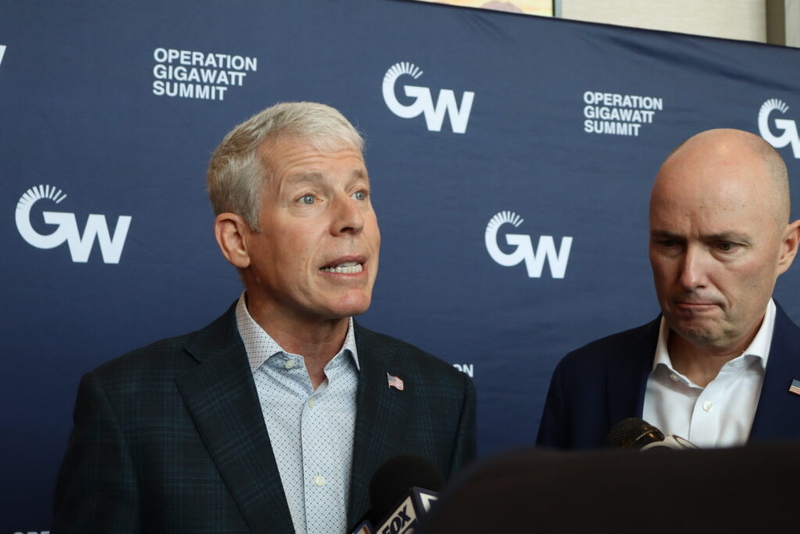
U.S. Secretary of Energy speaks to reporters alongside Utah Gov. Spencer Cox during the Operation Gigawatt Summit on May 22, 2026. (Alixel Cabrera/Utah News Dispatch)
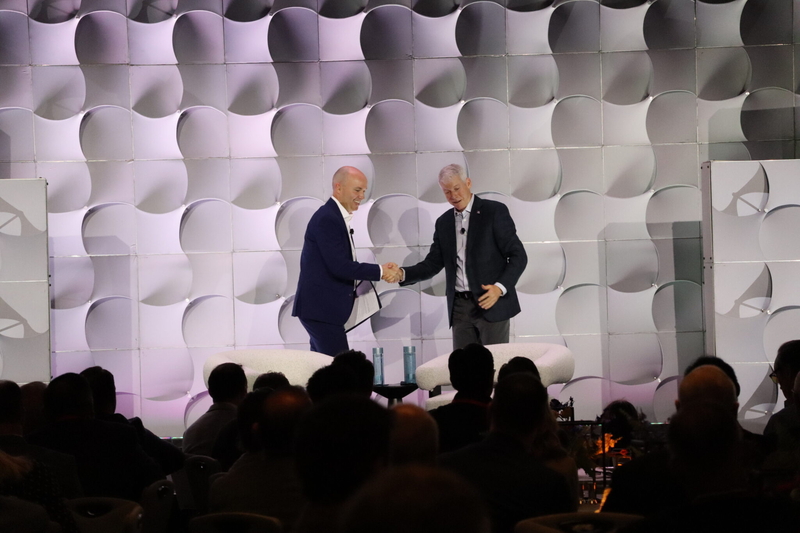
U.S. Secretary of Energy Chris Wright wants Americans to drop “doomster” views around energy, since, he said, the country is entering “a golden era” of energy. That includes leaving behind a history of fear to further hydrocarbon developments.
Global warming is a real thing, Wright said during a visit to Utah, “but it’s no big deal.”
“It’s nowhere close to the world’s top five or 10 problems. But it became this other mantra to preach fear and scarcity,” Wright said during the Operation Gigawatt Summit, an event hosted by Utah Gov. Spencer Cox and the Abundance Institute.
Wright added that future energy opportunities should outweigh young people’s pessimistic views, which is “a misrepresentation of what we know about climate change and economics.”
“Look at history, look at the opportunities in front of us. There’s never been a better time to be alive. The future is going to be awesome if we believe it’s going to be awesome, and we make it to be awesome,” he said.
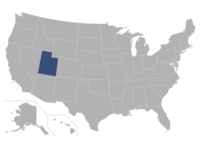
Utah, for one, should be optimistic about its energy future, since the state will host one of the first nuclear reactors to go critical, or to maintain a steady, balanced chain reaction, this summer.
Republicans in Washington, D.C., and Utah have touted nuclear energy as one clean resource that could tackle exploding energy needs — apart from fossil fuels, which continue to be popular with party leaders. President Donald Trump has signed executive orders to accelerate nuclear energy development throughout the country, and in Utah, Cox has been closely aligned with that mission.
“Younger generations who understand that if we truly want to decarbonize, if we want cleaner energy, more prosperous energy, we want dispatchable energy, reliable energy, and cheaper energy, that nuclear has to be part of that mix,” Cox told reporters on Friday.
As a state impacted by radiation exposure from U.S. nuclear weapons testing and uranium mining, Cox said he understands there are concerns around the technology. However, he said “that’s not what we’re doing. We’re not blowing up nuclear in the desert anymore.”
Nuclear energy has already been deployed in the country, he said, and the small modular reactors the state has been promoting are becoming increasingly cheaper.
Currently, according to the Massachusetts Institute of Technology, the cost per megawatt of new nuclear power is higher than any other resources. However, there are also some nuances to that price structure. A balanced mix of energy with a little nuclear energy can also mean lower prices depending on resource availability.
But ultimately, according to Wright, many different technologies will be tried and “the winners are going to go forward” in the marketplace.
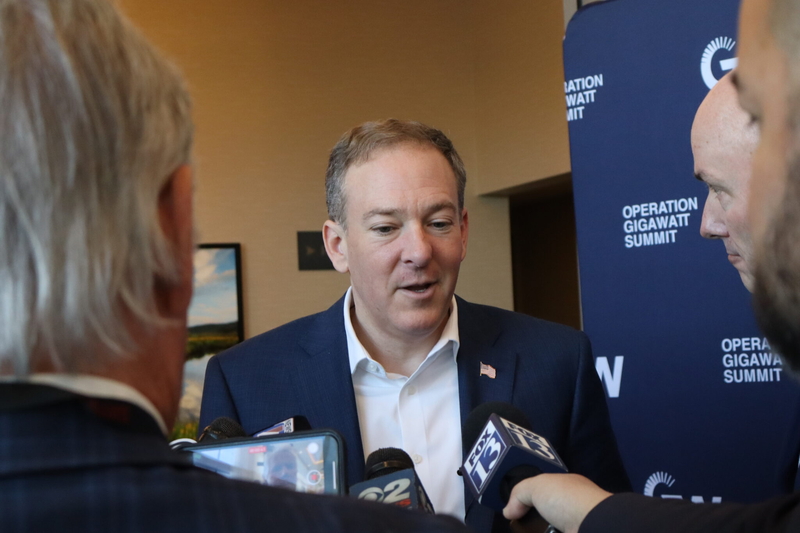
EPA Administrator Lee Zeldin was also in Utah for the event and is scheduled to visit the Great Salt Lake on Saturday as Trump pledged $1 billion in assistance for the lake in next year’s proposed federal budget.
Zeldin echoed concerns about lost opportunities due to long permitting processes during his talk with Cox. He recommended companies capitalize on investment while the Trump administration is in leadership.
“This is a moment to step on the gas, to invest, to believe in your company, to believe in your vision, to believe in the communities that you are investing in, and try to get as much built as possible before the end of this term,” Zeldin said.
MOU to accelerate permitting
During the summit, Cox and White House Permitting Council Executive Director Emily Domenech signed a memorandum of understanding between Utah and the Federal Permitting Improvement Steering Council. With it, Utah is committing to align state permitting timelines to match federal environmental review timeframes for certain projects.
“By aligning state and federal permitting timelines, Utah is establishing a more efficient and transparent permitting process that will drive investment to the state, speed energy and natural resources development, and advance President Trump’s infrastructure and energy dominance agenda,” Domenech said in a statement.
Additionally, the governor also heard feedback from Wright about the state’s application to host one of three “nuclear lifecycle innovation” campuses across the country. According to the agency, the proposed campuses “could support activities across the full nuclear fuel lifecycle, including fuel fabrication, enrichment, reprocessing used nuclear fuel, and disposition of waste.”
Wright described Utah’s application as “outstanding” and said his team is visiting the Beehive State and other “leading states” in that quest.
“I think it is not secret,” Wright told reporters. “Yes, Utah was absolutely one of the top leaders in that, what they put forward, and how this would be a friendly, conducive home to developing nuclear technologies and drawing investment to the state.”
Salt Lake City, UT