Permitting bill poses threats to our public lands, wildlife
Nov 24, 2026 | 6:55 pm ET
Description
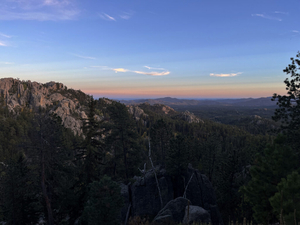
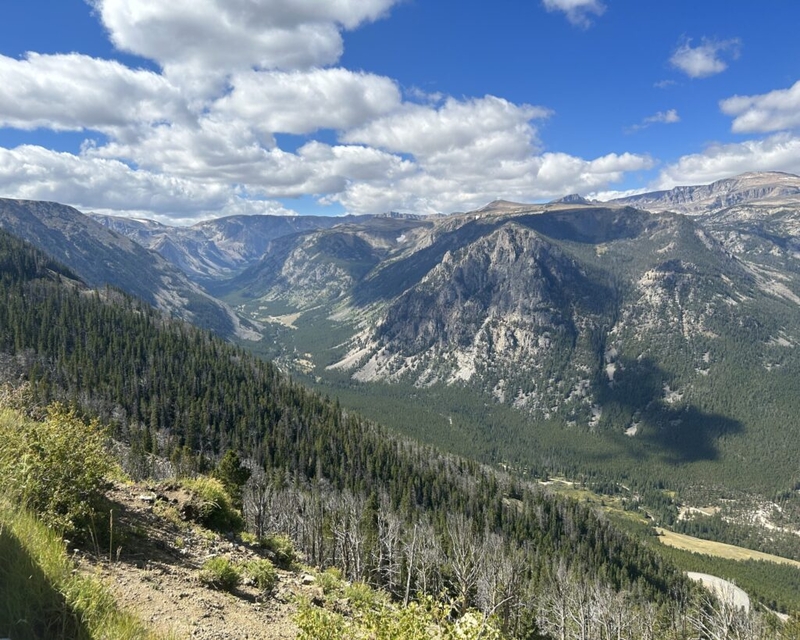
Near the summit of the Beartooth Pass, south of Red Lodge, Montana (Photo by Darrell Ehrlick of the Daily Montanan).
As the holidays approach, the first snows are blanketing the flanks of the Yellowstone ecosystem. With them the migrating snow geese have come to Montana, moving south from the Arctic. White-bodied with black wingtips, they pass over by the hundreds in great, wavering skeins, chattering eagerly with each other as I shovel the driveway of my Gallatin Valley home. Their flyover brightens this mundane task with a moment of wonder.
Especially since the pandemic, many of us have reconnected with the ways in which such natural encounters enrich our lives. Both national park visits and participation in wildlife-focused activities such as birdwatching surged after the COVID lockdown, and for many, the respite from our tech-focused lives that comes from “touching grass” now involves grass along a hiking or birding trail. Montana’s public lands, offering open access to all, are essential for these activities.
Yet even as our “last child in the woods” culture seeks to renew its relationship with the natural world, the permitting bill now under consideration by the lame duck Congress would roll back many of the core legal protections that for 50 years have made these kinds of experiences possible. Alongside this legislative threat, the Trump administration recently announced plans to sell off public lands, an alarming move that could happen quickly following passage of this bill. The House of Representatives will vote on the bill as early as next week.
This legislation’s proponents contend that the payoff for this sacrifice will be streamlined permitting for clean-energy projects to fight climate change. However, the bill’s changes would also clear the way for many other projects—including logging, drilling, mining, and data centers on our public lands—that will no doubt look much more attractive to the Trump administration officials who will administer any new permitting authority.
The bill’s backers claim this bulldozer approach is needed to cut back on administrative processes that don’t allow America to build what it needs. That critique might legitimately justify a thoughtful review of our bedrock environmental laws by lawmakers who would take care to pluck the baby from the discarded bathwater.
However, the permitting bill reflects no such surgical approach. For one thing, the bill would ultimately make it harder for the public to learn about, or stop, the sale of public lands. Interior’s land sell-off plan has already sparked opposition from conservation groups and even Montana’s congressional delegation– but they and all Montanans would have reduced power to block or reverse land sales if this bill passes, given changes the bill would make to the National Environmental Policy Act.
Beyond this, the bill is loaded with measures that demolish some of the most fundamental protections of our bedrock environmental laws, including the Clean Water Act, Endangered Species Act, and National Historic Preservation Act. These are the laws that cleaned up the Great Lakes, saved the bald eagle from extinction, injected tribal perspectives into management of sacred cultural spaces, and provided a host of other benefits that Americans have long taken for granted.
Weakening these protections now, in the midst of the most environmentally hostile presidential administration in history, threatens hugely harmful and unpopular consequences. One of the bill’s Republican sponsors, Utah Sen. Mike Lee, in 2025 pushed for legislation to sell 3 million acres of our public forests, mountains, and deserts—our national patrimony of lands held in common for all Americans to enjoy without needing to ask permission from a billionaire land baron. His proposal drowned under a tsunami of opposition from a broad cross-section of the American people. Is it any wonder that Lee is now proposing to gut the laws that enable public opposition to federal environmental decisionmaking at just the moment when the Trump administration is resurrecting his public land disposal idea in the form an Interior Department work plan?
Many of us have lived most of our lives under the shelter of the environmental legal framework that arose from a 1960s-’70s political consensus about the kind of greener world our nation wanted. The architects of that framework lived with burning rivers, oil-soaked coastlines, and expiring wildlife species. By and large, we don’t. Instead, we can fish from our waters, hike through intact public forests, and draw inspiration from the spark of wildness that comes with the passing of snow geese after an early snowfall.
Let’s keep it that way.
Timothy Preso is Managing Attorney for Earthjustice’s Biodiversity Defense Program, based in Montana.
Helena, MT