The future of energy is the future of Alaska
Nov 25, 2026 | 4:14 pm ET
Description
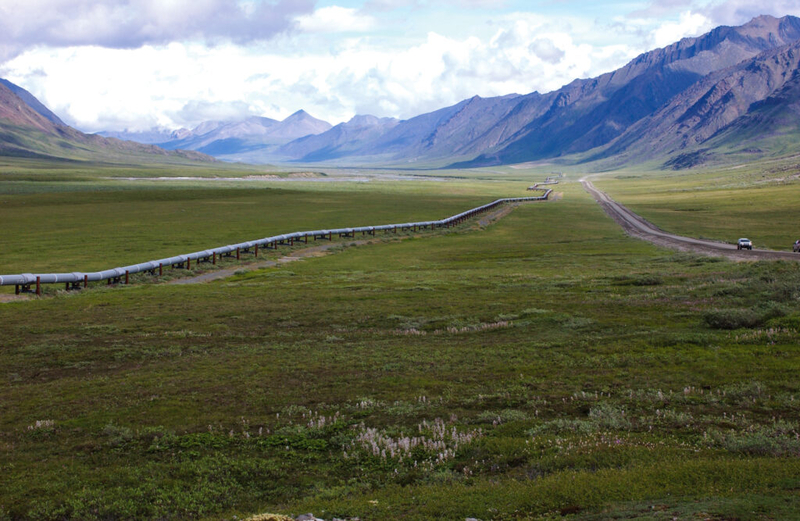
The Trans-Alaska Pipeline is seen in the northern Brooks Range on June 20, 2007. Alaska. Running along the pipeline is the Dalton Highway. (Photo provided by the U.S. Geological Survey)
The election is over, and a new administration and Legislature will soon get to work. Whatever else divides them, Alaska’s leaders and the voters who elected them share a goal: a stable, affordable energy future for this state. A gas line is how we get there.
I say that as an Alaskan first. I serve as an independent member of the board of 8 Star Alaska, the company developing Alaska LNG. Glenfarne owns 75% of 8 Star, and the State of Alaska, through the Alaska Gasline Development Corp., owns 25%. My role is to keep the focus where it belongs: on project benefits for the people of this state.
Here is what is at stake. For more than 50 years, Cook Inlet gas has heated homes and kept the lights on in Southcentral. That supply is running down. Our utilities have been clear that without new gas, Alaskans face higher bills, imported fuel and real uncertainty within the next few years.
Energy is not an abstract policy debate. It decides whether a young family stays in Kenai to raise their kids, whether a small business in Fairbanks makes payroll through the winter and whether a retiree in Anchorage remains in the home they built. Too many Alaskans have already left for places where life costs less.
Affordable, reliable energy gives the next generation a reason to stay. Alaska LNG is the project positioned to bring North Slope gas to Alaskans. It means gas for Alaskan homes and businesses first, thousands of construction jobs and new revenue for the state for generations.
But a gas line will not be built by a single vote. It will be built, or stalled, one decision at a time. Over the next several years, state agencies and the Legislature will weigh leases, permits, tax terms, contracts and financing approvals. Each deserves real scrutiny. And each should be measured against the same question: Does this decision bring affordable, reliable energy and new state revenue closer, or push them further away?
One of those decisions is in front of us right now. The Department of Natural Resources is converting the project’s two state right-of-way leases from conditional to standard leases. It sounds like paperwork, but it isn’t. Investors and lenders deciding whether to finance a gas line want to know that its land rights are settled and that the state stands behind its own project. Converting the leases answers that question through the state’s own process, at no cost to Alaskans.
Under Gov. Sean Parnell, the Legislature passed the framework that made the State of Alaska a partner in the project rather than a bystander. Under Gov. Bill Walker, the state took the lead when others stepped back and carried the project into federal permitting. Under Gov. Mike Dunleavy, Alaska brought in a private developer to finish the job.
Three governors, from different political traditions. But each one kept the project alive and moved it forward. Legislators from both parties voted to keep the door open. That continuity is rare in Alaska politics, and it is worth protecting.
Today, preliminary gas supply agreements are in place with North Slope producers. Pipeline engineering is further along than ever. Buyers in Asia are at the table because energy security has moved to the top of the agenda. Serious work remains, but the question has shifted from whether to how fast.
That is why the decisions ahead matter so much. New administrations bring fresh eyes, and that is healthy. They should ask hard questions. The South Korean government is doing its own independent review right now, and Alaskans should welcome that kind of rigor. A project this important should stand up to scrutiny – and Alaska LNG has.
But scrutiny is not the same as starting over. Every reset costs time we no longer have. Our economy will not wait, and neither will the families deciding whether their future is here.
So my request to our newly elected leaders is simple. I would like to see them get briefed early, ask every question they have and — at every decision point — ask whether the choice in front of them moves Alaskans closer to secure, affordable energy or sets them back. Then I hope they help finish what three governors and the Legislature started.
And to Alaskans who want a gas line: These decisions are made by people who listen. Your voice is an essential part of state policy.
Alaskans have waited a long time for this gas line. With steady, bipartisan leadership, we can be the generation that builds it.

Juneau