Surprise! The PSC approves the acquisition of NorthWestern Energy
Nov 25, 2026 | 6:18 pm ET
Description
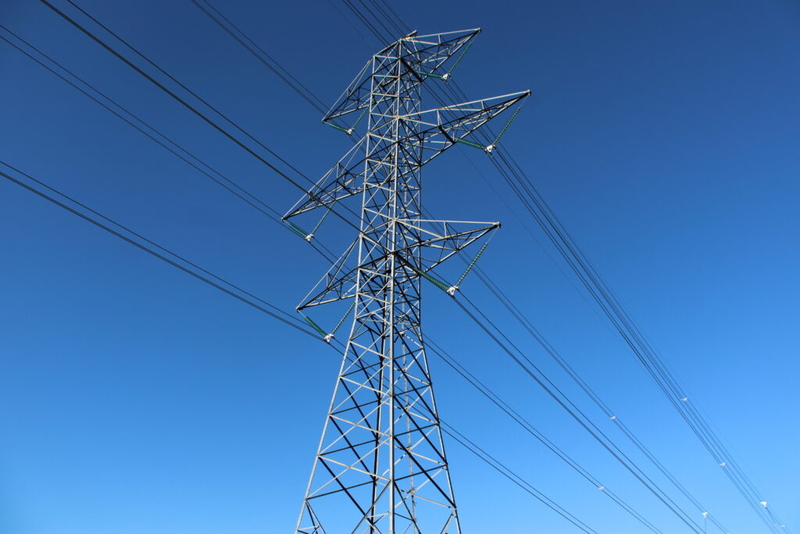
A power line is pictured crossing Beck Hill Road in Powell County, Montana on Thursday, June 11, 2026 (Jordan Hansen / Daily Montanan)
Well, to no one’s surprise, the Montana Public Service Commission approved another major energy transaction that will have long-term and likely negative consequences for Montana customers.
One would think we would have learned a lesson from electric deregulation in the 1990s. Pennsylvania Power and Light was allowed to buy Montana’s electric plants, including the dams on our rivers. They jacked up our power rates and then sold the hydro system back to us at a hugely inflated price. All with the approval of the Montana PSC.
This time around, Black Hills Corporation, a South Dakota utility, took over NorthWestern Energy. The parties involved, the media, and the PSC all referred to it as “the merger docket.” The truth is that this transaction is an acquisition of a smaller corporation by a larger one in the same line of business. Some people might even call it “corporate consolidation.”
NWE entered into an agreement with two entities, not just one. The one we never heard about is River Merger Sub, Inc. This corporation was a wholly owned subsidiary of Black Hills, created specifically for this acquisition. The agreement between the parties provided for River Merger Sub, Inc. to merge with NorthWestern. River Merger disappeared, and NWE became a direct and wholly owned subsidiary of Black Hills. That’s right . . . a wholly owned subsidiary.
Then Black Hills changes its name to Bright Horizons Energy. And presto chango, the merger that isn’t really a merger is complete. If we’re honest about it, NorthWestern has had its heart in South Dakota for a long time; it’s just that most of its customers are in Montana. NWE CEO Brian Bird has worked out of the corporate offices in Sioux Falls for a long time. And now, as CEO of Bright Horizons, he will still be headquartered there.
Of course, the acquisition will make the need for a lot of former NWE executives evaporate. Before the ink was even dry on the PSC order approving the acquisition, the cuts began. Sharon Heim, NWE’s Vice President of Government Affairs and General Counsel, left her position at the utility. She joins John Hines, NWE’s Vice President of Supply and Montana Government Affairs, who left earlier this year.
“Although I am disappointed in the outcome for myself, I completely supported the merger. The combined company will continue to bring excellent service to our customers and our employees,” Heim said.
Don’t cry any tears for Sharon Heim. She received a “payout” of $2.9 million, plus a continuing consulting contract. Hines received a similar severance benefit earlier in the year.
Of course, this is not news to anyone who has been paying much attention to this deal. A slew of executives are entitled to the same treatment if Bright Horizons terminates their employment. It was all right there in the filings before the PSC.
Private utilities point out that severance benefits don’t come out of ratepayers’ pockets. It’s the stockholders who shoulder this burden. But who provides the “revenue stream” that makes utility stock attractive in the first place? Customers, that’s who. No one can get their power from a competing electric company. They don’t exist in this private utility monopoly system. All customers have been getting from NWE recently are ever-increasing rates. This should be prevented by the PSC, but the commissioners are too busy fighting among themselves.
The truth is that all privately owned “public utilities,” like Bright Horizons, are monopoly cash cows with legal protection against losses and guaranteed rates of return on everything they spend producing power. They are rooted in the electrification efforts of the early part of the last century and have a long history of questionable dealings. Electrification in rural America was left to the government, which stepped up to the challenge and created the customer-owned cooperatives that exist today.
Mark Johnson, CEO of Flathead Electric, the largest electric cooperative in Montana and one of the largest in the Pacific Northwest, receives a little more than $1 million per year in total compensation. As CEO of NWE, Brian Bird received five times as much. We don’t yet know what he will be paid as the “new” CEO of Bright Horizons Energy.
So, the deal is done, and the PSC has signed off. But wait! Who do we hear still knocking at the door? Montana Farmers Union and 350 Montana. Two scrappy nonprofits, one representing farmers and the other representing conservationists, are appealing the PSC’s decision to district court. They are represented by attorney and recently elected legislator Monica Tranel, who is every bit as scrappy as her clients.
It’s a long shot, but it’s the best shot we have.
Helena, MT