Overpaying for the status quo in West Virginia’s primary election
Jun 01, 2026 | 5:55 am ET
Description
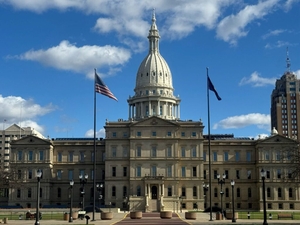
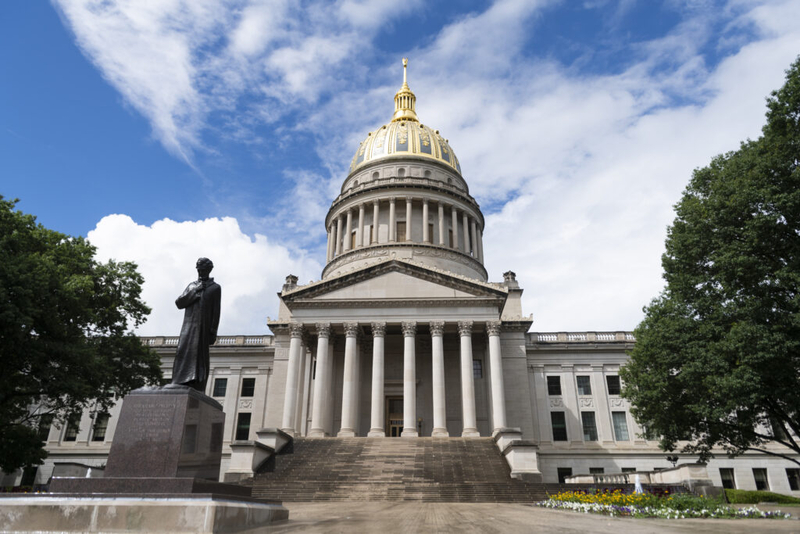
The Lincoln Walks at Midnight Statue sits in front of the West Virginia state Capitol building in Charleston, West Virginia. (Photo by Lexi Browning/West Virginia Watch)
Five. Million. Dollars. In less than ten weeks. Mostly from just ten groups. For one midterm legislative cycle primary. Not Senate seats. Not Congress. Not a general election. Not for the governor’s mansion. A closed primary for the West Virginia House of Delegates and West Virginia Senate. A remarkable investment for what is, on paper, a minor ideological adjustment to the West Virginia Republican supermajority.
Millions of dollars were spent on more advertisements than there were outlets to run them on or hours in the day to watch them. Mailboxes overflowing with campaign mailers that ranged from the mundane to vicious manipulations. Months of an electorate subjected to unsolicited visual, audio and postal assault with demands to care about the 2026 primary election. The latest most important election there ever was against the dark forces of those who will do that to you if you don’t vote.
Only 21% of voters showed up to do so. A shockingly poor return on investment in time and treasure from a political ecosystem that has never thought itself more important and never been better funded. Five million dollars, big name organizations, big name politicians involved, every possible advertising angle used and only 21% bothered to react at all.
That does not compute.
Five-million-dollar primaries and six–figure legislative grudge matches ought to buy more engagement. It’s easy to blame the politicians that have a supermajority that isn’t super enough for them; it’s even easier to blame big money outsiders and medium money insiders. The easiest is to blame the minority of voters who elected those politicians, while judging the majority who didn’t participate at all. The politically aggrieved that did not get their way will blame “the system,” “the voters” or “the money.”
Normally, something that costs $5 million but only has a 21% conversion rate would demand an audit of what is going wrong. But the truth is nothing went wrong. All the incentives for all the participants created the political money cycle the state of West Virginia finds itself in.
The money people sell the politicians on the ability to buy engagement with the voters. The voters prove election after election that logic is suspect at best. Yet the politicians keep leaning on the money people rather than trying to witness and understand the voters, making the next cycle worse. For the politicians’ part, they are both captured by the money loop and complicit in it. If they don’t spend money, someone else will spend it against them. Paying the consultant class and leaning on the donor infrastructure also means taking a shortcut past dealing with voters directly.
The problem arises because while overlapping in function, the donor/consulting class and the office holders themselves have misaligned objectives. The politicians very much have to win for advancement or pay in career backsliding for losing. For the donor machine and consultant class, winning and losing is secondary to keeping those running paying for the services they provide. The candidates themselves are interchangeable, as long as they toe the line and vote “the right way” once in office.
A supermajority that starts to eat itself on petty points of purity has a large dose of feeding the money machine “the big bad” that brings the donations. With a supermajority that mostly agrees, the manufactured emergency of having the “right kind of” fill-in-the-blank nomenclature will have to do. And all those organizations funneling the money to candidates are just fine with the big bad being internal, manufactured or otherwise. The politician eats the loss; the money folks just move on to the next one.
All the while, the voters themselves are mostly opting out of the whole exercise. The perpetual campaign era has learned to need voters less as voters have learned the same about it. Low voter turnout isn’t voter apathy so much as voters making the only determination years of lived experience tell them about their role in self-governing: it doesn’t matter very much.
In the 2026 West Virginia primary the political operatives were on full send: In money spent, in mailers spamming mailboxes, in political ads on every available platform every available minute of every day. All of it focused on getting voters to care about very specific policy goals and organizational strategies from groups they’ve mostly never heard of involving people most of them had never met.
Of course, all factions spending money, time and resources will say this was all for the voters, all for West Virginia, all for the betterment of everyone. The return on investment of that message and all that money was 21% turnout to weigh in on this, the latest most important election of their lifetimes. About 21% of registered West Virginia voters who turned out are not the result of the 2026 midterm election, they are the metric to measure what the rest of the voting population is or is not doing. West Virginians who didn’t need $5 million in spending to do what they always do on Election Day.
The result of this primary election was that 79% of registered West Virginian voters subjected to millions of dollars in mailers and campaign ads demanding they care didn’t feel like finding the new polling location since the old school closed, nor driving on deteriorating roads to vote on a Tuesday.
To them, it wasn’t worth it.
Charleston, WV