2026 was my first experience with Utah’s Legislature — it was eye-opening
Jun 04, 2026 | 3:15 pm ET
Description
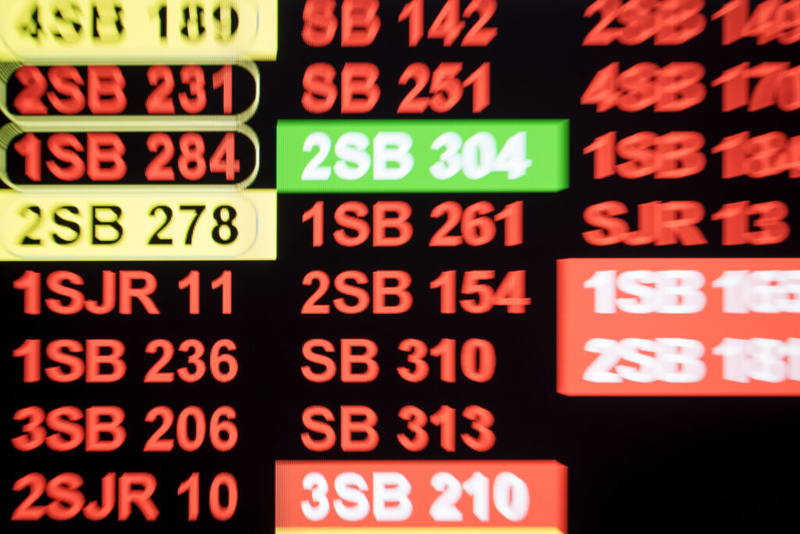
A screen displays bills still under consideration at the Capitol in Salt Lake City on the final night of the legislative session, Friday, March 6, 2026. (Photo by Spenser Heaps for Utah News Dispatch)
Before I dove head-first into the 2026 legislative session as the new legislative intern for the Utah Sierra Club, the Utah Legislature existed in a foreign world that I was mostly ignorant of. Volunteers and Sierra Club staff attempted to prepare me for the 45-day legislative blitz that lay ahead, but I couldn’t have fully anticipated the chaotic rollercoaster ride of the session. Our team dealt with last-minute bill substitutes, tense committee hearings, and some surprising victories. There were many disheartening moments where desperate efforts by our group and other environmental organizations were not rewarded.
Despite these experiences, I walked away from this year’s session feeling inspired by the many Utahns who make sure our elected officials know they are watching — and that they will raise hell if legislators fail to protect our environment and communities.
As a transfer student at the University of Utah, I’ve observed an interesting thread connecting the political environments of the places I’ve lived: Jackson Hole, Wyoming, Chapel Hill, North Carolina (where I was a student during the 2024 presidential election), and Salt Lake City, Utah — all small blue enclaves in a sea of political red. This scenario seems to breed a unique condition of constant dissatisfaction with state legislation, frequently leaving nonprofits and community members to fill in the gaps by fighting for the underrepresented members of their communities and neglected issues — whether that’s marginalized groups or threatened grizzly bears.
It’s extremely frustrating to not be able to trust our state legislators to work on behalf of our collective best interests. At the same time, it’s inspiring to see the impact people can have when they speak up and take action.
At every community lobbying day we organized and rally we attended, we knew we could count on our community to show up. With the constant stream of devastating news landing on our phones and TV screens, it’s easy to grow accustomed to proclamations of hopelessness. At the Sierra Club, though, I was surrounded by passion, not excuses, as people across the state took over 5,000 actions in support of the Club’s legislative goals.
On the flipside, I witnessed legislators antagonizing members of the public during their testimonies on harmful bills and attempting to cut other public comments short. It’s extremely disappointing when legislators act inconsiderately toward well-intentioned constituents who are doing their best to participate in the political process, but I was deeply touched by the community of advocates around me who support each other and refuse to back down against a legislature that frequently dismisses and downplays our concerns.
One of the most important things we can do as advocates and constituents is to hold our legislators accountable for their votes and actions. During the session, I worked with volunteer members of the Utah Sierra Club’s Legislative Committee to help produce our annual legislative report card. The goal of the report card is to capture how Utah’s legislators voted on key environmental bills during the session and give people the tools to help hold their legislators accountable on key environmental issues.
This year, we broke the assessment down into six key issue areas: wildlife, land use, renewable energy, nuclear energy, and water. We then tallied the votes on 18 priority bills, using three bills that best represented each of the six issue areas. You can view our final report card here.
Even though the 2026 session is behind us, I know there is a lot of work to do. The interim session kicked off on May 18 and is an excellent opportunity to continue engaging with our legislators about the pressing issues that came up during the regular session. I encourage everyone to get involved in any way that works for you — whether that’s setting up a meeting with your legislator to discuss an issue you are passionate about, writing letters, or volunteering with an organization like the Sierra Club. Environmental advocacy in Utah is often an uphill battle, but when we speak out and show up together, we can have immense power.
Salt Lake City, UT