Outside group warns of ‘silencing’ judges, backs WV judge facing discipline for foster care comments
May 29, 2026 | 6:00 am ET
Description
(Stock photo by imaginima/Getty Images)
An out-of-state conservative legal group urged for charges to be removed against a West Virginia circuit judge who spoke out about the state’s troubled foster care system and use of hotels to house children.
The American Center for Law and Justice, based in Washington, D.C., weighed in on the legal saga involving Kanawha County Circuit Judge Maryclaire Akers, who faced discipline after discussing her concerns about the foster care system in a statewide radio interview last year. In a brief, the American Center for Law and Justice wrote, “Silencing judicial voices on systemic problems impedes the democratic processes necessary for effective reform. This result contravenes fundamental First Amendment principles.”
“Any admonishment of Judge Akers runs the danger of unconstitutionally chilling the speech of all West Virginia judges and depriving the public of information on the legal system which is of great public interest,” the group wrote.
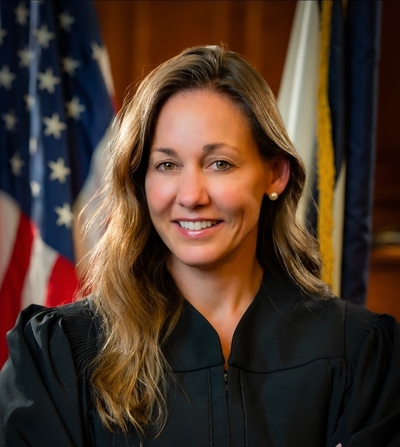
Last week, Akers asked the state Supreme Court to intervene and force the dismissal of judicial ethics charges stemming from comments she made on MetroNews Talkline, a statewide radio show, in March 2025.
During the interview, Akers discussed a hearing in her courtroom that involved the attempted suicide of a 12-year-old foster child living in a hotel along with information about foster children living at the Kanawha County 4-H camp. In response, she ordered a court monitor to oversee and possibly improve the state’s overreliance on hotels for housing foster children.
“In our review constitutionally, as speech, her comments posed no realistic threat of affecting administrative compliance with specified reforms, particularly given their focus on general systemic problems rather than specific implementation strategies or deadlines,” the American Center for Law and Justice wrote in their filing.
Akers has said she tried to stay within what she understood were her ethical limits while commenting on the hotel monitoring arrangement.
No one from the Department of Human Services raised concerns about Akers’ comments, she said. Department officials shared information with state lawmakers about the child’s attempted suicide during a public meeting soon after the radio interview.
However, the West Virginia Judicial Investigation Commission took issue with the comments, saying Akers’ words gave the appearance of being anti-DoHS and violated rules regarding speaking on pending cases. The commission admonished Akers then filed formal charges against her for violating the Judicial Code of Conduct.
The American Center for Law and Justice called it “vague speech restriction.” The West Virginia Record first reported on the group’s amicus brief in the case.
“Judge Akers’s carefully circumscribed comments about systemic problems in West Virginia’s child welfare system posed no realistic threat to any legal proceeding,” the American Center for Law and Justice wrote.
“Her statements were based on information already in the public record, revealed no confidential information, and addressed policy failures that all parties acknowledged required reform,” the filing continued. “Any discipline thus would punish speech that lies at the First Amendment’s core — expression about governmental accountability on matters of paramount public concern.”
A special judicial disciplinary prosecutor assigned to examine the case against Akers said in April that the ethics case against the judge should be dismissed because her comments in the interview didn’t violate the Code of Judicial Conduct.
“After investigation and a full and fair presentation of evidence in this matter, Special Judicial Disciplinary Counsel asserts it is unable to satisfy the burden of proving by clear and convincing evidence,” a brief said. The SJDC “respectfully recommends that the Judicial Hearing Board dismiss all charges against Judge Akers.”
The state Judicial Hearing Board earlier this month declined to toss the case, saying the board lacks authority to terminate the case based solely on the Special Judicial Disciplinary Counsel’s recommendation. The decision should be made by the state Supreme Court of Appeals, the board said.
The Judicial Hearing Board will make its recommendation to the state Supreme Court.
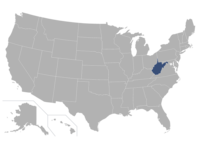
Charleston, WV