Ohio utilities report subpar grid reliability as they seek a lower bar
May 26, 2026 | 4:50 am ET
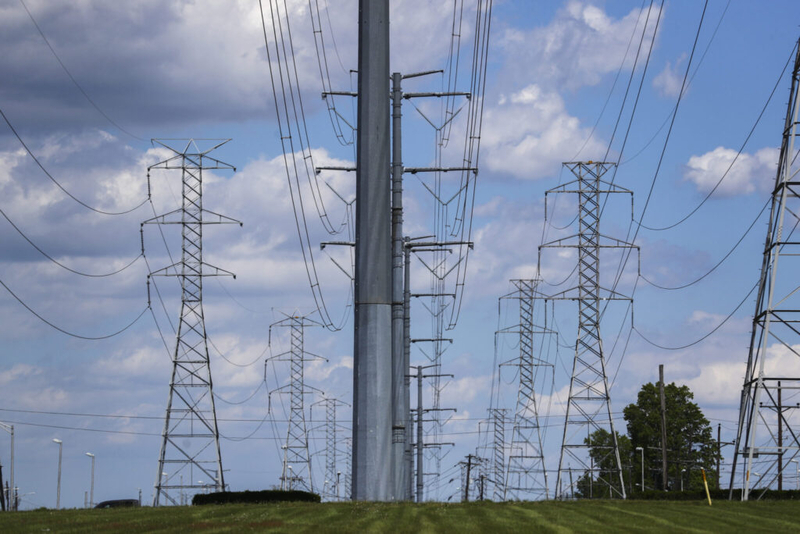
Description
(Dana DiFilippo/New Jersey Monitor)
This story was originally published by Canary Media.
Ohio’s utilities just can’t seem to pass muster when it comes to preventing power outages and getting the lights back on quickly.
In 2025, four of the state’s six regulated electric utilities failed to provide the level of reliable service expected by regulators — marking the 10th year in a row when at least one company has missed. Yet now, as customers see skyrocketing energy bills, the shortfall has some groups urging the state to reject utility requests to lower their reliability standards even further.
“Ohioans should expect the same utilities bragging about record profits to improve their service, not get worse,” said Karin Nordstrom, an attorney for the Ohio Environmental Council.
Looming large over the debate is the fact that Ohio leaders and utilities have blocked measures that could have improved reliability over the years. With 2019’s scandal-plagued House Bill 6, legislators gutted the state’s clean energy standards, which could have spurred the development of more solar and wind power that may relieve long-distance transmission congestion or provide alternate generation when fossil-fuel or nuclear power plants are offline. And utilities in the state have a history of opposing requirements for energy-efficiency measures, which can mitigate strain on the grid by reducing overall demand.
The companies looking to ease reliability standards are FirstEnergy’s three Ohio utilities and Duke Energy Ohio, which together serve 2.9 million customers across the state. (The term “customer” generally refers to a whole household or business, rather than an individual person.)
Last year, Duke and the three FirstEnergy utilities — Ohio Edison, Toledo Edison, and the Cleveland Electric Illuminating Co. — missed their targets for the average number of power outages per customer. Toledo Edison also exceeded the average time allowed to get the lights back on after they go out. Those figures don’t count major events, such as severe storms, which affected hundreds of thousands of Ohio customers in 2025.
When they fall short, utilities have to provide regulators with an explanation and an action plan. If they fail repeatedly, companies are potentially on the hook for tens of thousands of dollars in penalties.
This isn’t the first time utilities have sought approval to lower the bar for their customer service. And the state Public Utilities Commission has occasionally indulged those requests.
But the latest asks come at a particularly fraught moment for the American grid. The data center boom threatens to push the system to its physical limits and further spike power prices, and North America’s grid authority is sounding the alarm about the computing facilities’ potential to cause blackouts.
Meanwhile, even though President Donald Trump declared an energy emergency on his first day in office, his administration is stifling the buildout of wind and solar, which could infuse the grid with much-needed electrons. While Trump has attacked renewable energy as unreliable, a new analysis by clean energy think tank RMI underscores that renewables have not measurably reduced reliability and can in fact boost it.
Researchers have identified two major factors that are making the country’s grid less dependable: aging infrastructure and extreme weather, which study after study has shown is more intense because of climate change.
FirstEnergy and Duke both cited increasingly extreme weather as one of the main reasons for relaxed reliability standards. Although major event outages don’t count toward the requirements, FirstEnergy’s application to loosen the mandated targets noted “smaller but more disruptive storms, heavier rainfall, and a rise in tree-related outages” outside the company’s rights of way, spokesperson Brooke Conlan said, citing federal data.
John Juech, a Duke Energy Ohio spokesperson, also pointed to weather variability as a significant reason for its excessive outages last year, along with vehicle accidents and other “high-impact incidents.” The company cited both factors when it filed its pending request for more lenient reliability requirements. He noted that the utility has improved its performance since 2017–2018, even though it’s fallen short of the standards in some recent years.
The Ohio Environmental Council’s Nordstrom pushed back on the idea that more extreme weather should translate to weaker regulation.
“Reliability standards must be strengthened as climate change continues to pose challenges for utilities,” she said. “As the challenges to meet climate change rise, so do the needs of customers.”
The changes sought by both companies’ utilities don’t look large on paper, but they could be significant.
A proposed compromise between Duke and staff members at the Public Utilities Commission would bump up the allowable outage frequency per customer from an average of 0.75 times annually to 0.87 — a seemingly fractional difference but one that would permit more than 90,000 outages above the current standard. The plan would also reduce the average time to restore power by 3 minutes per person. That’s not a marked improvement, though, since the company did better than that in each of the last eight years, says an April filing by the Office of the Ohio Consumers’ Counsel, urging the full commission to reject the plan.
“Consumers are not better off if the lights go out more often, even if they come back on a few minutes sooner,” said the office, a state agency that advocates on behalf of residential utility customers.
For its Cleveland Electric Illuminating customers, FirstEnergy wants the average extra time for getting the lights back on to rise by roughly 15 minutes per customer. The company wants the average frequency for both its Ohio Edison and Toledo Edison subsidiaries to increase by 0.05 per customer, which would mean accepting a total of more than 69,000 additional outages than current standards permit. Those utilities’ allowable time to restore power would also increase.
Averages don’t tell the whole story, though. Grid disparities within a utility’s service area could mean some neighborhoods with old equipment see significantly more or longer outages than others.
“The actual customer experiences that make up these averages can fluctuate greatly with even a small adjustment,” Nordstrom said.
The impacts of blackouts go beyond inconveniences or expenses for spoiled food, which can run into hundreds of dollars for extended power losses. They can also mean life or death for some, especially on superhot or frigid days.
Ohio Consumers’ Counsel Maureen Willis told Canary Media, “Reliability standards should protect consumers, not be adjusted downward simply because utilities are repeatedly failing to meet them.”
Columbus, OH