North Dakota judge weighs decision in Beef Commission membership lawsuit
Jul 27, 2026 | 5:32 pm ET
Description
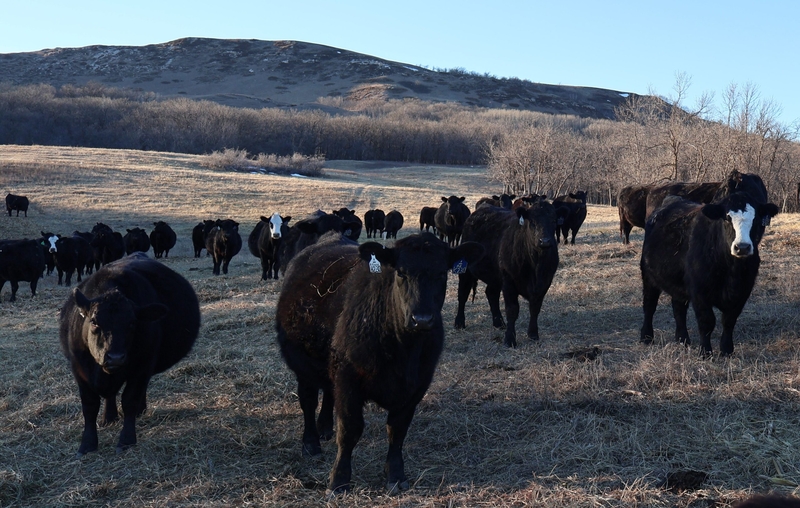
Cattle roam in a pasture near Killdeer in southwest North Dakota. (Jeff Beach/North Dakota Monitor)
A North Dakota judge is set to decide whether the process for who serves on the state’s Beef Commission is unconstitutional.
South Central Judicial District Judge Jackson Lofgren heard arguments Monday from attorneys for the state and the Ranchers Rights Initiative. The group’s directors – Kenneth Graner, Michael Heaton and Jeremy Maher – are three cattlemen who say the law plays favorites over who serves on the board that decides how to use cattle sale fees from ranchers to promote beef.
The group wants the judge to strike down the law. The state wants the judge to dismiss the challengers’ claims. The judge said he will work to get an opinion out as quickly as he can.
The Beef Commission consists of nine members, including three beef producers, one cattle feeder, one dairy producer, one representative of a public livestock market and three at-large members, all appointed by the governor. The North Dakota Stockmen’s Association submits names for the beef producers and the association’s feeder council submits names for the cattle feeder.
The lawsuit filed last year names Republican Gov. Kelly Armstrong, the commission and the state.
Ranchers sue to revamp North Dakota Beef Commission appointment process
An attorney for the challengers, who don’t currently belong to any of the organizations set in the law, say the law unconstitutionally elevates the Stockmen’s Association “and other favored associations” above other groups.
“Ultimately, this case is about the simple principle that government is to be by the people, not by the privileged and not by those with influence,” Ranchers Rights Initiative attorney Robby Dube said.
The commission decides how to use the money raised from fees on cattle sales of $2 per head – $1 apiece to the state and federal government – known as the beef checkoff. The money is mainly used for beef promotion, education and research. The commission raised more than $1.5 million of assessment revenue in 2024-2025, according to an annual report.
Dube said the law includes “legislatively favored private associations” and creates a “closed class” for the commission’s beef producer positions of solely the North Dakota Stockmen’s Association, amounting to a special law, which unfairly treats similar entities differently and is prohibited by the state constitution.
Of the 24 beef producer nominations since 2009, 21 were Stockmen’s Association or auxiliary group members at the time, and it’s unclear the membership status of the other three, Dube said. Additionally, the Stockmen’s Association has supported at least 16 people for the at-large positions since 2009, including 10 of its own or auxiliary group members, according to court documents.
“You have private organizations that are going to only be beholden to themselves who are appointing their own people and then turning around and funding themselves. That is exactly what has happened here over and over again,” Dube said.
The challengers haven’t shown that the law is unconstitutional, Special Assistant Attorney General Zachary Pelham said. The law doesn’t require membership in the Stockmen’s Association or the Milk Producers Association, but commission members must be a North Dakota resident and a U.S. citizen actively engaged in the part of the industry they represent for five years, he said.
State says North Dakota Beef Commission lawsuit should be dismissed
“We have a law that applies equally to all,” Pelham said.
The law has “meaningful at-large access” in that people can nominate themselves or others for the commission’s at-large seats, he said. And ultimately, the governor selects the members, he added.
Additionally, the challengers don’t have legal standing to bring their claims, Pelham said. A three-year statute of limitations bars the claims of the challengers, who have tried to change the commission selection process for at least 20 years via the Independent Beef Association of North Dakota, the state said in court documents. And Maher nominating himself for an at-large seat and not being selected is not a legal injury for standing, Pelham said.
The challengers also say a requirement that commissioners cannot have received a checkoff refund in the last three years is punitive and discriminatory. Pelham said the requirement is appropriate as “skin in the game.”
“The act is constitutional because it reflects rational legislative choices about how to administer a specialized agriculture commodity program,” Pelham said. The challengers’ arguments are essentially “policy objections and dissatisfaction with the appointment outcomes,” he said.
The judge said he will take the matter under advisement. The case had been set for a court trial in August, which has been canceled and may or may not be rescheduled.
North Dakota Monitor reporter Jack Dura can be reached at [email protected].
Bismarck, ND