New York State Budget Set to Remove Major Barrier to New Housing
May 27, 2026 | 9:52 am ET

Description
Photo courtesy of New York Focus
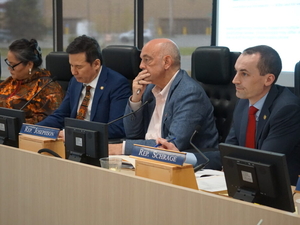
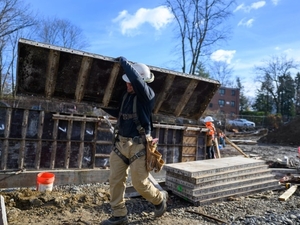
Albany lawmakers are poised to strike a blow against New York’s housing crisis by removing what critics describe as a key obstacle to building housing: a burdensome environmental review process that can delay new developments by months or even years.
A 50-year-old law known as the State Environmental Quality Review Act, or SEQRA, requires developers of new buildings to submit detailed plans outlining the effect their projects will have on the surrounding environment. This year’s change will exempt most new housing from this requirement, though developments will still be required to follow other laws and regulations designed to protect the environment. Governor Kathy Hochul has said that SEQRA is overly bureaucratic and often duplicates similar laws at the local level.
“When communities say yes to housing, we should let them build,” Hochul said when announcing the final budget agreement.
Yet the new exemptions aren’t universal: They are sharply limited in more rural areas of the state, and won’t apply to housing projects on undeveloped or agricultural land. Those will still have to go through the SEQRA process. This aligns with a previous version of SEQRA reform proposed by legislators.
“It basically says, ‘Let’s build more where people are already living, and make sure we’re protecting wilderness and open space,’” said Joshua Berman, an advocate at the nonprofit group Regional Plan Association, which supported the changes.
There is also a maximum size: Buildings larger than 500 apartments in New York City, 300 apartments in other urban areas, or 100 apartments in most of the rest of the state, will still have to go through SEQRA. In less developed areas, only buildings of 20 apartments or fewer will be eligible for the exemption.
Opponents of new development frequently use SEQRA as a basis for lawsuits seeking to stop housing from being built. Even if they lose, the suits can delay projects by years and add massive legal costs.
“When everyone is looking for ways to bring down the cost of housing, this is a critical step,” said Vicki Been, a housing policy expert and professor at New York University’s law school.
Hochul made the change one of her top priorities this year, and enlisted New York City Mayor Zohran Mamdani to help her push it across the finish line. The changes to SEQRA could help Mamdani achieve his ambitious goal of building 200,000 units of affordable housing citywide.
Meanwhile, park and water infrastructure improvements and New York City public schools will also be exempt from environmental review.
Some environmental groups opposed the changes, saying that SEQRA in its current form is an “essential planning tool,” and calling on lawmakers to “reject the false choice between housing and environmental protection.” But overall, the measures generated broad support from local elected officials and affordable housing organizations statewide.
The changes will make it easier to build new housing, but they won’t address places that refuse to do so. Many areas, particularly in New York City’s suburbs, have strenuously sought to block housing, citing fears of traffic, overcrowding, and a desire to maintain community character.
The state budget also includes a measure meant to boost affordable housing renovations in New York City by giving landlords a tax break equal to the cost of the renovation. Only buildings with a significant number of affordable apartments will be eligible. An existing program allows landlords to recoup 70 percent of renovation costs, but this year’s change will allow them to reclaim the full cost, making the program more attractive.

Albany