New book details the fight to close the beer stores in Whiteclay
Jan 02, 2026 | 6:30 am ET
Description
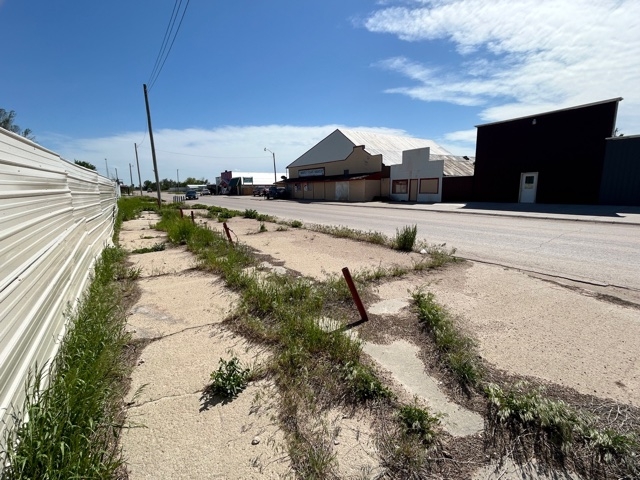
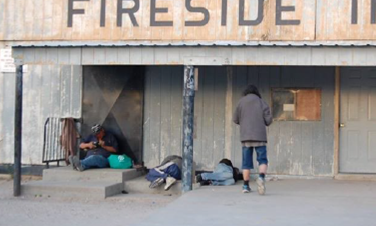
An unincorporated village on the edge of the sprawling Pine Ridge Reservation, Whiteclay now offers dollar stores along with a grocery, a ranch store, a tax preparation outlet and a restaurant. (Paul Hammel/Nebraska Examiner)
LINCOLN – Beginning in 2013, Oklahoma attorney and college instructor John Maisch made dozens of 700-mile trips over four years to visit the alcohol-soaked village of Whiteclay, Nebraska.
Maisch, who grew up in Grand Island, had earned a reputation as a tough prosecutor of liquor violations in Oklahoma.
When he stumbled almost accidently onto the story of Whiteclay – an unincorporated village on the South Dakota border where beer stores sold more than 3 million cans a year to the adjacent and officially dry Pine Ridge Indian Reservation – he knew he had to do something.
The more he learned, the more he became outraged.
Fact finder
His trips became fact-finding missions, building a case against what he saw as violations of liquor laws. Without any background in movie making, Maisch produced a documentary on the “wounds” caused by Whiteclay – an epidemic of alcoholism, fetal alcohol syndrome and alcohol-related assaults on the reservation, where alcohol possession and sales were outlawed.
Maisch’s crusade, which culminated in the closing of the Whiteclay beer stores in 2017, is now detailed in a book, “Whiteclay: An American Tragedy,” written by Maisch before his death in 2022.
Maisch’s widow, Julia, took up the task of getting the book published, because she knew her husband wanted people to know about the long-ignored injustice delivered by the beer sales in Whiteclay, especially to the babies born on the reservation with lifelong disabilities due to drinking by their mothers.
“When you have an opportunity to speak up, to help the voiceless, the children who can’t rely on adults to care for them, it’s our responsibility to do something about it,” Julia Maisch told the Nebraska Examiner.
The closings were an historic accomplishment, one that few thought would happen.
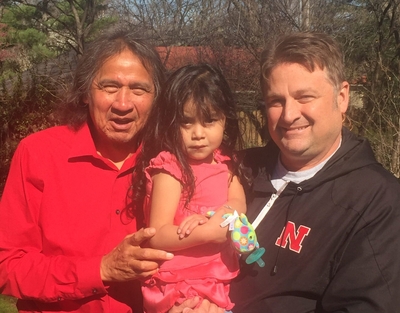
The 186-page book details the ups and downs of the campaign to close the beer stores, from fiery exchanges with liquor regulators and cordial meetings with then-Gov. Pete Ricketts and his wife, Susanne, to a disappointing lack of action by Sheridan County officials.
Alcohol had flowed from Whiteclay to the reservation for decades, but the remote village was far from the media spotlight, and in the northwest corner of Nebraska, it had become accepted that in Whiteclay you’d find drunken men and women, urinating, defecating and passing out on the highway through town.
In the book, he wondered if attitudes would change, given the large haul of taxes paid by the beer stores.
Focus on the law
But Maisch knew that legally, alcohol could not be sold in places where there was inadequate law enforcement, and Whiteclay had no local police and the county sheriff’s office was 23 miles away. He eventually began researching the economic cost to Sheridan County and the state of jailing vagrants and those who committed assaults in Whiteclay and treating the children scarred by fetal alcohol syndrome.
His documentary, “Sober Indian/Dangerous Indian,” introduced many to the lives of four men who lived, panhandled and drank on the streets of Whiteclay. The book provided more detail about their struggles with alcoholism and flirts with sobriety, and of the toll it took on their families.
Along with Native American activist Frank LaMere – a longtime advocate to close the beer stores – Maisch criss-crossed the state and nation, screening the documentary and exposing the misery of Whiteclay. It led to testimony at legislative hearings and those of the Nebraska Liquor Control Commission, and the appointment of task forces. Like an investigator, he dug up data and personal stories of those damaged by the flood of beer coming from a village of less than 20 residents.
(Courtesy of Jennifer LaMere)
“Although most public officials I encountered may disagree, my objective was always to engage – not enrage – those who were involved in the Whiteclay issue,” Maisch wrote. “But more times than not, I found myself getting into verbal spats with elected and appointed officials because, in my opinion, they lacked the moral courage to do what their oaths required them to do.”
The misery of Whiteclay hit the national radar in 1999, when two Native American men who frequented the beer-soaked village were found dead a few yards from the beer stores.
LaMere, a member of the Winnebago tribe who lived across Nebraska from Whiteclay, began calls for change at the village. Nebraskans for Peace, as well as activists from the American Indian Movement took up the call, organizing protest walks and seeking legislative changes. A documentary, “The Battle for Whiteclay,” detailed the sordid history of alcohol sales from the village.
But bills in the Nebraska Legislature died in legislative committees, and attention to Whiteclay often fell from the radar, to be reignited, sporadically, by a protest march or discovery of a death on the streets.
Concerned citizens gather
Maisch began assembling a group of other concerned citizens, like Dennis Carlson, a retired attorney who investigated cases of legal malpractice for the Nebraska Supreme Court, and Alan Jacobson, a Lincoln business owner appalled by what he saw in Whiteclay.
There also were people involved in the fight against fetal alcohol syndrome, caused when a pregnant woman consumed alcohol. A key ally was Nora Boesem, a former pediatric nurse from Newell, South Dakota, whose family had become foster parents for dozens of kids from the reservation who suffered from fetal alcohol-related impacts.
Through Maisch, reporters learned about, and published stories about, one of Boesem’s foster children, Arianna, who was born prematurely, with damage to almost every internal organ due to fetal alcohol syndrome. She required several taxpayer-funded surgeries, daily pain medications and required almost constant care.
Lasting impacts
The book includes other heart-wrenching stories about those scarred by alcohol-fueled domestic abuse, women sexually assaulted and left on Whiteclay streets, and men seeking sobriety and later relapsing to the beer stores.
More than once in the book, Maisch expresses surprise at how forthcoming those impacted by Whiteclay’s alcohol were about the sordid impact on their lives.
“As a Christian, I was convinced that God was with us every step of the way as we battled to close Whiteclay’s beer stores,” he said.
In the end, Maisch saw signs of hope in Whiteclay. Ambulance and law enforcement calls fell, and the village was no longer a contributor to the woes of the reservation, and new programs involving children and providing a “maker’s space” for Native artists and crafters were established.
“Nothing changes if we protect our own comfort at the expense of others’ pain,” he wrote. “Nothing changes when we refuse to be unsettled, But when we are willing to feel that discomfort and step across the line and stay with it, something begins to shift.”
“That is where the healing begins. That is where justice takes root.”
Editor’s note: The author of this story, Paul Hammel, wrote the foreward for Maisch’s book at the request of his widow. Hammel covered the Whiteclay story for decades.
More about the author
John Maisch’s activism on a social issue – the misery caused by alcohol sales from a Nebraska village to an officially dry South Dakota reservation – spawned an effort at Central Oklahoma University, where Maisch was an associate professor of business law.
The “John Maisch Collective for the Greater Good,” launched in 2022, is an effort to engage students and faculty on social issues and foster collaboration to address them.
“The intent was to be able to take on more complex issues,” said Sunshine Cowan, the center’s director.
“Dr. John Maisch was a part of those early discussions, and his work with communities was well known and respected,” Cowan said. “He deeply engaged with the community in a way that The Collective and our campus want to honor and emulate.”
The main goal of The Collective, she said, is to “build a collaborative network that works together on meaningful community work,” involving faculty, staff and students.
One outgrowth of that is an annual college scholarship, the “Dr. John A. Maisch Social Impact Scholarship,” which recognizes students who engage with their communities “in meaningful ways,” Cowan said.
The Collaborative will hold a spring workshop with an author experienced in community building and holds “coffee connection” times each month where individuals can drop in for casual conversation.
— Paul Hammel
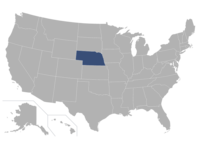
Lincoln, NE