Morrisey: 54K received school clothing allowance so far, including low-income kids who didn’t apply
Aug 25, 2026 | 4:10 pm ET
Description
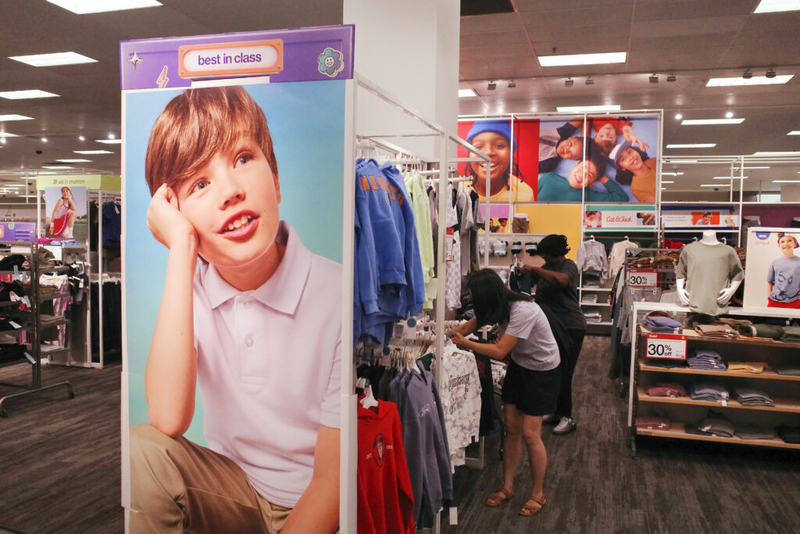
People look at back to school clothes at a Target store on August 13, 2026 in Downtown Brooklyn in New York City. (Photo by Michael M. Santiago/Getty Images)
More than 54,000 children have received school clothing allowance funds as of Monday while the Morrisey administration continues to vet applications during the school year. In a new twist in the administration’s handling of the program, some low-income children who didn’t apply for the money have now received the back-to-school financial assistance.
West Virginia’s school clothing allowance program gives low-income students $200 for new clothes and shoes. The program launched later than expected under Gov. Patrick Morrisey, then ran out of funding after just a week.
It is now under investigation by Morrisey after he alleged this month that parents could be using the money elsewhere.
Students returned to school before thousands of applications were processed, frustrating lawmakers who felt the program shouldn’t have faced any disruptions when it was most needed.
A spokesperson Morrisey said 3,696 remaining children will receive their school clothing benefit no later than Aug. 29.
“Based upon those families who are in the final stages of the enrollment process, DoHS projects that it will provide the (school clothing allowance) benefit to an additional 3,696 children this school year for a total of 57,436 kids. This total exceeds the number served last year by nearly 150 children,” Ann Moore, deputy communications director for Morrisey, told West Virginia Watch.
Moore said the administration will spend $11.5 million this year on the school clothing allowance program – $100,000 more than last year.
The state Department of Human Services also recently automatically deposited the clothing voucher benefit to children ages 4 to 10 who received it last year and met the eligibility requirements this year.
These children were already receiving help from other federal welfare programs, including Temporary Assistance for Needy Families, but weren’t required to apply this year for school clothing assistance.
“They did not have to reapply,” Moore said.
The state previously issued automatic school clothing assistance to eligible children during the COVID-era, but returned to required applications last year under Morrisey.
Moore didn’t respond to a question about how the 4 to 10 age range had been selected for the automatic deposit.
West Virginia pays for the school clothing allowance through federal TANF funding. The money is meant to help low-income families safely remain with their families and avoid the foster care system. States have broad flexibility with how they spend TANF dollars.
Morrisey has defended decisions around the long-standing clothing assistance program this year, pointing to the state’s looming deficit in TANF funds. The state has less than 13 months — $41 million — in TANF carryover funds at this point, according to Morrisey. TANF spending has increased under his administration.
While Morrisey said he was focused on making sure the federal funding was sustainable in the future, lawmakers pressed for more information about how the governor is spending the money and still have outstanding requests.
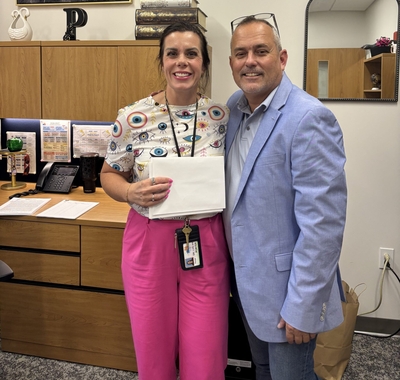
While the program and applications were under review, Barboursville Mayor Chris Tatum wanted to make sure children in his area had new clothes before heading back into classrooms.
Tatum launched a fundraiser on his Facebook page this month, quickly raising $20,000.
“What I learned is how important that $200 actually is,” Tatum said. “That’s two or three outfits for a kid to go to school in. The need is there beyond me.”
Tatum and his daughter filled hundreds envelopes with gift cards and cash, then met families at city hall and made in-person deliveries to schools and homes across Cabell County. The mayor worked with the local schools to make sure they were reaching children in need.
“This was just about easing the worry and taking one worry off a kid’s plate,” Tatum said. “If that made their day walking into school, that’s all this was about.”
Charleston, WV