WV Department of Human Services using $8M in TANF money to pay for broken online database
Aug 10, 2026 | 6:00 am ET
Description
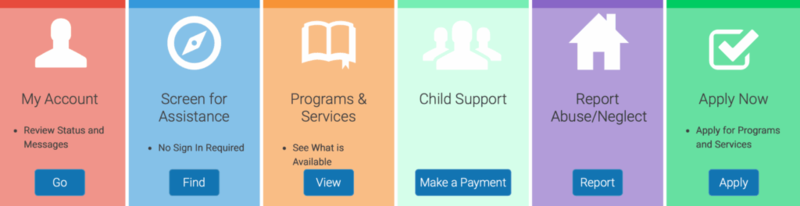
The West Virginia Department of Human Services operates the PATH system, an online management system for programs in the state, including Medicaid and foster care. (Source: wvpath.wv.gov)
West Virginia is using nearly $8 million in federal anti-poverty dollars to pay for its long-troubled and broken online database system.
It’s the same pot of federal funding — Temporary Assistance for Needy Families money — that Gov. Patrick Morrisey said is running out, prompting an abrupt closure in July of the school clothing allowance application window for low-income kids.
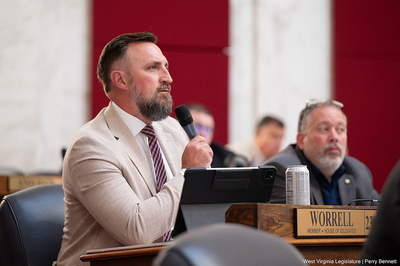
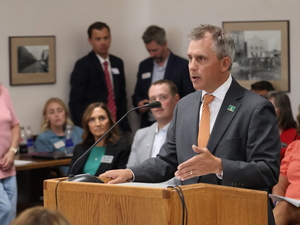
“I think the important question is not simply where TANF dollars are being spent, but whether those dollars are being used in a way that actually serves the families and children they were intended to help,” said Del. Evan Worrell, R-Cabell, who serves as House Health Chair.
“If funding that could support school clothing assistance is instead being directed to PATH, or there is a structural deficit in part, due to spending on PATH, that deserves a clear explanation,” he told West Virginia Watch.
The PATH system is a massive online management system used by the state Department of Human Services to manage critical programs, like Medicaid and the foster care system. It’s also how West Virginia residents apply for Medicaid and welfare programs and can report possible child abuse.
The system, launched under Gov. Jim Justice, has cost the state nearly $400 million and still isn’t functioning properly, experiencing regular outages and hiccups processing needed data. The state is still investing new money into PATH, including TANF dollars, due to its necessity. Lawmakers recently allocated $7.4 million in the FY 2027 state budget for continued operation of the PATH system.
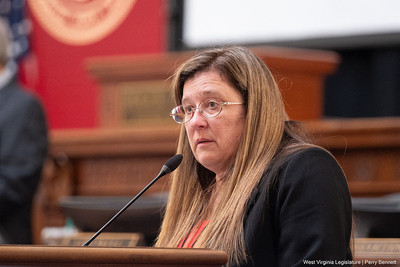
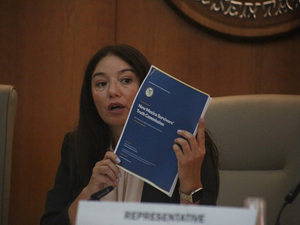
Speaking before lawmakers on Sunday, DoHS Deputy Secretary Christina Mullins couldn’t say how much the state expected spend is on PATH this year. She declined to comment on TANF spending for PATH, saying that new DoHS Secretary Carl Ayers would answer those questions for lawmakers in a public meeting scheduled for Tuesday afternoon.

“We have legislators here who are just frustrated, and I just hope that the department is willing to work with the Legislature and let us open up the hood to understand exactly where we’re where we’re missing the boat,” said Senate Majority Whip Ben Queen, R-Harrison.
PATH is used to process applications for the school clothing allowance program, which provides $200 to needy families to use for kids’ clothes.
Morrisey has faced scrutiny after the program launched later than expected in July then closed its application in seven days due to running out of funding.
Mullins clarified to lawmakers that the agency received 52,000 applications but hasn’t yet processed all of those; the total number of children to receive the clothing allowance is unknown at this time.
Last year, 57,000 children received the school clothing voucher, costing the state around $11 million.
West Virginia pays for the school clothing allowance program with TANF funding.
Morrisey has been reviewing the state’s use of those federal dollars after he announced a looming multi-million deficit in those funds. The review was linked to the delayed start of the school clothing allowance program.
The state’s spending of TANF dollars has risen under Morrisey by his own documentation, though he has said increased use of those funds during the COVID-era led to projected funding shortfalls.
Morrisey recently shifted his focus to potential fraud in the school clothing voucher program, saying that some money is untraceable since parents can withdraw school clothing funds from an ATM machine. He has signaled possible changes to that program.
DoHS looking to overhaul PATH, find new vendor
The state contracted with Optum in 2017 for more than $300 million to build a new Integrated Eligibility System to manage its programs. A portion of the project was paid by federal dollars. The state’s contract with Optum goes through 2027.
“It really probably isn’t feasible to replace PATH … So, rather than pursuing full high-risk system replacement, DoHS views targeted system enhancements as the most practical path forward,” Mullins said.
DoHS is seeking a vendor on a $39 million, nine-year contract to take over the massive online system, but it won’t be an easy transition process.
“While a meaningful reduction in annual operating costs compared to the current name frame baseline is anticipated, specific cost figures and pricing structures will be finalized only after the competitive vendor bids are received and evaluated,” Mullins said.
The state will not be able to move the information to a cloud storage system before the 2027 Optum contract expires, according to Mullins. A new contract is expected to be finalized by early next year.
Despite ongoing challenges with the system, DoHS has to now spend more than $9 million for necessary improvements to PATH in order to implement the “One Big Beautiful Bill Act,” which will impact the online database. The federal bill mandates changes to several programs intertwined with PATH, including the Supplemental Nutrition Assistance Program and Medicaid.
“We’re all frustrated. It’s not working for us, but we’re spending to the tune of $9 million dollars for modifications and enhancements on something we know isn’t working,” Worrell said. “I’m trying to understand why we would continue to invest and enhance something that isn’t working for us … I think we need to continue going down this path, pun intended, to try to understand what we’re spending.”
Mullins said that, in her opinion, fixing PATH should be the agency’s biggest priority.
“I crave data to be able to make better decisions,” Mullins said. “I think that what we can do and what we can realize, not just in money savings, but improving outcomes for kids and families, is really in that data.”
In recent audits, the Morrisey administration estimated the state could save $7.2 million by fixing the PATH system. The work to fix the system is expected to take one to five years, according to the DoHS audit.
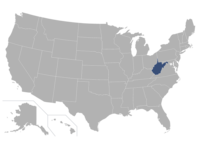
Charleston, WV