Missouri birth control access bill clears legislature after years of obstacles
May 26, 2026 | 9:00 am ET
Description
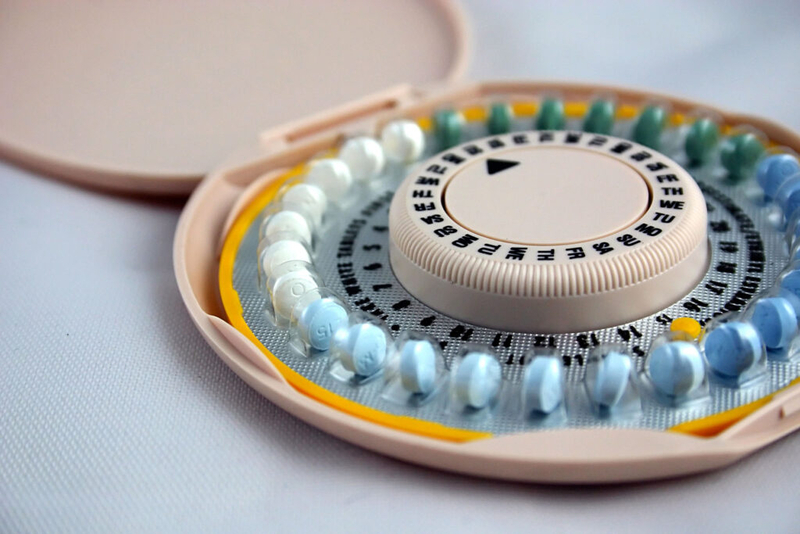
The Missouri Legislature approved a healthcare bill that, if signed by Republican Gov. Mike Kehoe, will allow anyone in Missouri who is prescribed oral contraceptives beginning in 2027 to pick up a 12-month supply at one time (Getty Images).
After decades spent working with people seeking abortions, Allison Hile said one thing became clear: Some Missouri lawmakers have little understanding of what women go through to prevent pregnancy.
“It is very difficult to take time off work, to find childcare, to drive somewhere to get birth control, to pay for birth control,” Hile told The Independent. “And that’s getting harder and harder as funds are cut for places that offer birth control.”
Hile, 71, previously worked at Hope Clinic across the Mississippi River from St. Louis in Illinois. She was among dozens of Missourians who advocated for expansion of birth control access this year.
“I cannot begin to count the number of patients who came to us because they had run out of birth control,” Hile told lawmakers earlier this year.
Last week, the Legislature approved a healthcare bill that, if signed by Republican Gov. Mike Kehoe, will allow anyone in Missouri who is prescribed oral contraceptives beginning in 2027 to pick up a 12-month supply at one time, rather than visiting the pharmacy every few months for refills.
Right now, women on Medicaid can access an annual supply. This law would expand the same parameters to include private insurance.
Dozens of Missourians filed testimony supporting the legislation.
They included a mother of two who uses hormonal contraceptives and finds it can be difficult to squeeze in a trip to pick up birth control multiple times a year while juggling work and family. Another woman who lives in a small, rural community said the only reason she could get birth control before the sole pharmacy in town closed at 5 p.m. was because her job offered some flexibility in hours. Another shared that she takes contraception prescribed to help with endometriosis and has faced the time and stress of delayed refills.
State Sen. Patty Lewis, a Democrat from Kansas City, who co-sponsored the legislation, called the bill a common sense measure that will help scores of women across Missouri.
“As a nurse, I have seen firsthand how barriers to coverage can create real problems for people‘s health, their finances, and their families,” she said.
Missouri ‘born-alive’ abortion bill heads to governor after contentious House debate
State Reps. Tara Peters, a Republican from Rolla, characterized the bill to colleagues as an act of civility.
Peters, who co-sponsored the bill, is among a bipartisan group women who have filed similar legislation over the past several years, facing pushback from insurance companies and confusion from some lawmakers who incorrectly grouped birth control with abortifacients.
This year was different.
“The powers that be decided that healthcare is a priority this year,” Peters said ahead of the bill’s final vote. “ … It’s a great day for women’s healthcare.”
In March 2024, while pushing for the passage of the same legislation, Peters told The Independent that annual supply birth control was crucial considering the abortion landscape at the time. Missourians were still several months out from overturning the state’s near-total abortion ban.
“As a Republican, and as a woman who is pro-life, we need to make sure we’re giving tools to the women of Missouri to prevent pregnancy,” Peters said at the time. When that session ended and the bill died, she blamed some Republican male colleagues on its demise.
Two years later, abortion is legal, but future access is uncertain. Missourians will be asked if they want to reinstate an abortion ban at the ballot box later this year.
“This bill won’t solve every challenge that reproductive healthcare faces in Missouri,” said Michelle Trupiano, executive director of Beacon Reproductive Health Network. “But it is a meaningful step in the right direction.”
“It’s an interesting time where we know that there’s lots of challenges that Missourians continue to face regarding reproductive freedom,” Trupiano said. “And so we’re celebrating progress while also being honest that the fight for reproductive freedom in Missouri is far from over and there’s still a lot of work ahead.”
Nearly 372,000 Missouri women in need live in contraceptive deserts, or places where there’s not reasonable access to a full range of contraceptive methods, according to data compiled by Power to Decide, a nonprofit that advocates for family planning access. Most are in rural counties.
“Birth control is used not only to prevent pregnancy, but also to treat a wide range of medical conditions, including endometriosis, heavy menstrual bleeding and polyendocrine metabolic ovarian syndrome ,” said Dr. Colleen McNicholas, chair of the Missouri section of the American College of Obstetricians and Gynecologists. “Ensuring patients can access a consistent supply of these medications means fewer interruptions in treatment and better health outcomes for women across Missouri.”

Jefferson City, MO