Michigan leaders must distinguish natural kratom leaf from dangerous synthetic derivatives
Apr 02, 2026 | 3:51 pm ET
Description
Getty Images Plus
The conversation around natural kratom leaf and concentrated synthetic derivatives is heating up in Lansing, as state lawmakers consider a blanket ban on all forms of kratom. But Michigan leaders are making a dangerous mistake in conflating a centuries-old botanical with chemically engineered opioids.
This key distinction is worth repeating: Not all kratom products are the same.
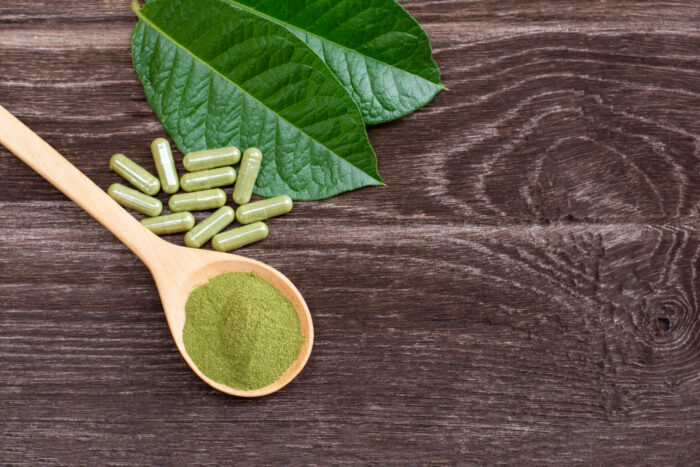
Natural kratom leaf originated in Southeast Asia, sourced from the Mitragyna speciosa tree and traditionally used by indigenous populations since at least the 1800s. It has been available as a dietary supplement in the United States since the 1970s, and today, more than 24 million Americans use natural kratom leaf products for their functional benefits. Importantly, dried natural kratom leaf contains only trace amounts (less than 0.04 percent by weight) of an alkaloid called 7-hydroxymitragynine (7-OH), presenting minimal health concerns to consumers.
The same cannot be said for concentrated synthetic opioid products that masquerade as kratom. Over the last few years, illicit manufacturers discovered a method to synthesize and concentrate 7-OH into lab-made products that contain more than 100 times the amount of 7-OH found in natural kratom leaf.
These synthetic products bear no resemblance to the natural kratom leaf that Americans have been consuming safely for over 50 years. Instead, they react in the brain like high-powered prescription opiates. Concentrated synthetic 7-OH products pose significant risks of dependence, overdose, and respiratory suppression, and researchers have found them to be up to 13 times more potent than morphine.
In communities across the country, opioid treatment centers and addiction specialists are racing to stop the proliferation of these synthetic street drugs. Here in Michigan, medical providers like Dr. Joshua Smith have said “kratom” did not constitute a crisis one year ago. Now, 20 percent of their inpatient units are overrun with patients who have full-blown addictions.
This timeline is consistent with the entry of synthetic, highly concentrated products into the marketplace — not with decades of natural kratom leaf consumption. Unfortunately, conflation of these two distinct product types is driving blanket bans that incorrectly capture natural kratom leaf.
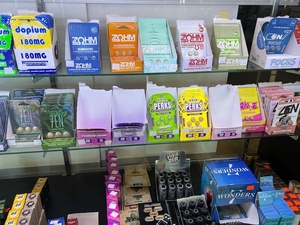
It’s crucial that Michigan treatment providers and elected officials recognize this public health crisis for what it really is: a new wave of America’s opioid epidemic, fueled by concentrated synthetic opioid products sold in gas stations, convenience stores, and vape shops — and deceptively marketed as so-called “kratom” supplements. That’s why leading addiction researchers and clinicians have begun urging peers in the medical community to start documenting cases involving concentrated synthetic 7-OH separately from natural kratom leaf.
Federal regulators have taken notice of this increasing threat to U.S. consumers. In July 2025, the Food and Drug Administration (FDA) recommended that concentrated synthetic 7-OH be classified as a Schedule I substance under the Controlled Substances Act. At the time, FDA Commissioner Marty Makary clarified that agency officials were “not targeting the kratom leaf or ground-up kratom. We are targeting a concentrated synthetic byproduct that is an opioid.” Makary also explained that natural kratom leaf presents “minimal health concerns.”
A handful of states are following the FDA’s lead: Florida and Kentucky have moved to emergency-schedule 7-OH as a Schedule I narcotic, making it illegal to sell, possess, or distribute concentrated synthetic 7-OH in those states. But Michigan lawmakers have deviated from federal health guidance, considering an outright ban on the sale of both natural kratom leaf and concentrated synthetic derivatives. In recent weeks, the Michigan House passed legislation that would make natural kratom leaf illegal.
As Michigan policymakers debate the path forward, they should acknowledge that a blanket ban will make illegal a natural product used responsibly by law-abiding Michiganders like Melody Woolf, who spoke at the FDA’s scheduling news conference last year. Completely eliminating natural kratom leaf products will do nothing to address the latest wave of the opioid epidemic. In fact, it will only exacerbate it.
State lawmakers should focus on banning only concentrated synthetic 7-OH products, while enacting commonsense regulations like age restrictions, mandatory third-party testing, and labeling requirements for natural kratom leaf products. This dual-track approach aligns with the recommendations of the FDA and follows the blueprints adopted by other states fighting the synthetic drug crisis.
The state of Michigan is looking to its doctors and elected officials for guidance on this growing public-health threat. Let’s start by addressing the real problem, concentrated synthetic 7-OH, while protecting the centuries-old leaf that responsible Michiganders use to live better lives every day.
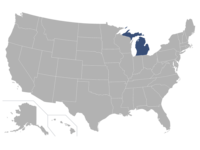
Lansing, MI