How to turn the boomer retirement wave into a generational opportunity
May 22, 2026 | 8:29 am ET

Description
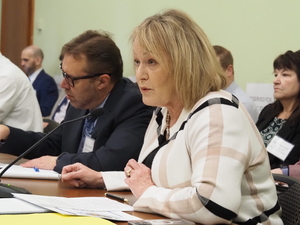
The "silver tsunami" of boomer aging means one in five Kentuckians will
be over age 65 by 2030. (Getty Images)
The soldiers returning from victory in World War II launched a new era of American optimism. The country was united and the economy was strong. With the help of the G.I. bill, these veterans got jobs, bought homes and started families in record numbers. The resulting baby boom is the largest generation in U.S. history.
This year the youngest baby boomers turn 62, the earliest age they can begin collecting Social Security. The “silver tsunami” of boomer aging means one in five Kentuckians will be over age 65 by 2030. The percentage above 80 will nearly double by 2040.
As a result, Kentucky deaths now exceed births for the first time in recorded history. A declining fertility rate is also contributing to this reversal. Cultural changes combined with stagnant wages and the rising costs of housing and childcare are bringing birth rates down.
These demographic realities are altering everything about our lives and economy. Nearly all recent job growth in Kentucky is in healthcare as demand rises from a swelling senior population. Workers with children of their own are struggling with “sandwich generation” stress. An aging population will mean a smaller labor force, dampening economic growth. In Kentucky as elsewhere, immigration from other countries has been key to preventing the workforce from shrinking further.
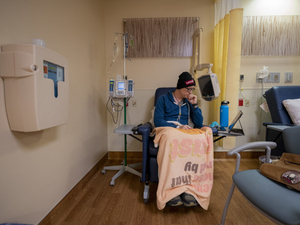
The state is unprepared for what is coming, and care in boomers’ final years may be the biggest concern. Without assets and support and facing skyrocketing medical bills and unaffordable housing costs, many seniors will be forced into Medicaid-funded nursing homes at a state cost of up to $100,000 a year. That will further strain a Medicaid program already facing huge federal cuts from the One Big Beautiful Bill Act. The General Assembly is also cutting Medicaid as it struggles with a smaller budget from state income tax reductions.
The issue is serious, but every crisis is an opportunity. In this case, we could address multiple problems at once and honor our seniors, create good jobs and help restore a hopeful spirit in a new generation.
Kentuckians have a strong sense of place, and aging retirees overwhelmingly prefer to stay at home. That option is also much cheaper than nursing facilities. But while most other states are shifting the vast majority of their Medicaid long-term care dollars to home and community-based services, Kentucky maintains an emphasis on politically powerful nursing homes.
We could shift more dollars to home care and pair that with a commitment to quality. Care jobs are among the fastest growing in Kentucky but pay is very low. Home health and personal care aides start at just $25,080 a year on average. Poor salaries and high turnover also affect the care the elderly receive. An increased state investment in Medicaid home care paired with unionization and training would be a win-win of better jobs and better services. These programs also allow family members to devote more time to care and receive pay for doing so, thereby strengthening lifelong bonds and ensuring loving care.
And there’s a third essential piece of this strategy: affordable homes and apartments for the elderly to live in. Kentucky has a severe housing shortage, and rising prices will push more fixed income seniors from their residences. Keeping them out of expensive nursing facilities is yet another economic reason for a massive public investment in affordable housing. We should build more small and accessible units that are suited for seniors and thereby free up existing dwellings for families with kids. And as with home health, we can make those construction jobs high quality, in this case by re-applying prevailing wage laws to publicly funded projects.
The bombing of Pearl Harbor and the horrors of Nazi Germany shook the country. The baby boomers were the product of a nation coming together. We can do that again in their final years. In the process, we would create good employment for workers in the care and construction industries. And as those boomers pass away, the large supply of housing they called home — including dwellings built under this initiative — become a legacy that future residents can afford.
This story began with the World War II vets we called the Greatest Generation. The best way to remember them is for the next wave of Kentuckians to have a chance at greatness too.
Jason Bailey is executive director of the Kentucky Center for Economic Policy, www.kypolicy.org.
Frankfort