Louisiana looks to scrap its plumbing board to speed up licensing
Apr 10, 2026 | 2:48 pm ET
Description
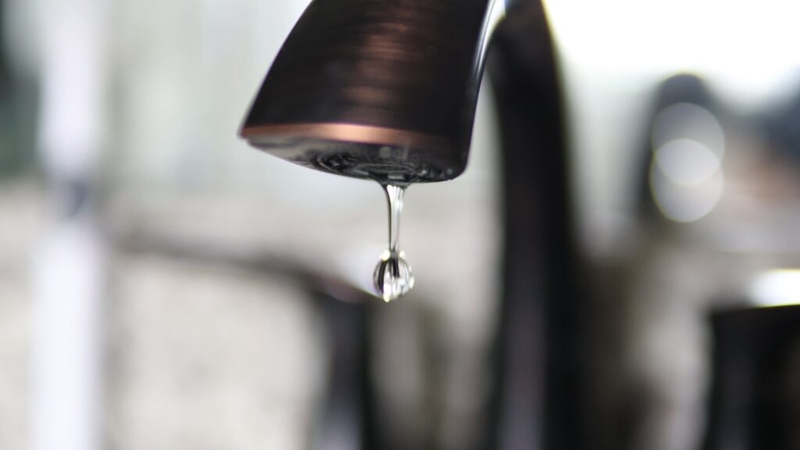
Louisiana lawmakers advanced a proposal Thursday that would overhaul the state's methods of licensing plumbers. (Photo by Wes Muller/Louisiana Illuminator)
A measure to reorganize the state’s plumbing board and significantly reduce the time it takes to become a fully licensed plumber in Louisiana has cleared a major hurdle, much to the disappointment of some plumbing professionals who feel the years of training are essential.
House Bill 953, sponsored by Rep. Bryan Fontenot, R-Thibodaux, would create a new shortened pathway for prospective plumbers by vesting authority in the Louisiana State Licensing Board for Contractors to issue plumbing licenses. The State Plumbing Board, which currently licenses plumbers, would be dissolved under significant revisions made to the bill Thursday before it cleared the state House of Representatives in a 83-4 vote.
Fontenot amended his bill to include provisions from legislation Rep. Edmond Jordan, D-Baton Rouge, sponsored. Jordan’s proposal, House Bill 827, establishes new plumber licensing pathways through training programs at technical colleges and correctional institutions across the state. It was approved in the House with a 82-7 vote.
Following amendments, the bills are now identical and are headed to the Senate for consideration.
Their legislation reduces the on-the-job training requirements by roughly half for the two main licensing tiers, journeyman and master plumber. It also allows journeyman plumbers to be self-employed when working on residential projects.
The Louisiana State Plumbing Board’s powers, duties, funds and staff would be transferred to the state contractors board, which will have a new plumbing subcommittee that functions similar to the current plumbing board. The new subcommittee would have 11 members appointed by the governor from plumbing and construction organizations. Fontenot said this will save the state money by housing all licenses for skilled tradespeople under one agency, streamlining the construction regulatory bureaucracy.
The legislation has the backing of general contractors and builders who say they’ve experienced construction delays due to a shortage of plumbers statewide and nationally. The latest changes also picked up support from some plumber unions that Fontenot said he’s working with on the bill.
One of them is the Local 141 chapter of the Plumber & Steamfitters Union, which represents North Louisiana with over 1,100 plumbers and apprentices in membership. Mike Joiner, the chapter president who also sits on the State Plumbing Board, said his union is supporting the bill as negotiations remain ongoing.
“We feel like Representative Fontenot is someone we’re able to work with,” Joiner said in a phone interview. “We’re in good faith negotiations with him, and things are going well.”
Plumbers peeved over proposal to fast-track licensing in Louisiana
Although Fontenot’s legislation might be able to unclog the plumber pipeline, the problem with high construction costs and delays goes beyond the plumbing industry.
“I feel like a lot of times this is framed as a plumber shortage…but it’s not specific to just plumbers,” Joiner said. “It’s electricians, it’s HVAC, it’s all labor. There’s a shortage in manpower in the trades across the board and across the country.”
While some of the unions are supporting the bill, not all plumbers are happy with it. One of them is Zack Payne, a non-union journeyman plumber who works for his family’s business, Central Plumbing Co.,
“This is about the cost to build,” Payne said in a text message after Thursday’s vote. “Contractors want to cut cost. They won’t charge less because of this, though. They will reduce job cost for each subcontractor and grow their own profit margins.”
Payne, a third-generation tradesman, said loosening the requirements poses a risk to the public who depend on competent professionals to build and maintain drinking water and wastewater systems, among other critical services their skilled tradespeople perform.
“Property and home owners will be left to vet and fend for themselves,” Payne said. “A plumbing license will essentially hold no weight regarding wisdom.”
Currently, the state plumbing board offers multiple licensing tiers for plumbers that each require a set number of hours of on-the-job experience. A residential limited plumber license takes 4,000 hours or about two years. A journeyman license takes a minimum of 7,000 to 8,000 hours, which is about four years, and the passage of written and skills-based exams.
A master plumber license, the top tier, can take even longer, and all other plumbers must work under the employment and supervision of a licensed master plumber.
The legislation reduces the journeyman requirement to 2,000 hours and the master plumber requirement to 3,000 hours. The exams for each tier will likely remain the same, though the contractors board will have the final say on those, Fontenot said.
It also would allow journeyman plumbers to work under self-employment in the residential sector without having to go through a master plumber. Joiner said his union supports this idea and thinks the job experience requirements will suffice as long as the licensure exams remain at their current standards or higher.
Fontenot said there are currently 1,155 licensed master plumbers in the state, and he expects the bill to increase this number by nearly 200%.
Baton Rouge, LA