Law on inmate medications paused as part of lawsuit with Minnesota sheriffs
Jul 09, 2025 | 2:20 pm ET
Description
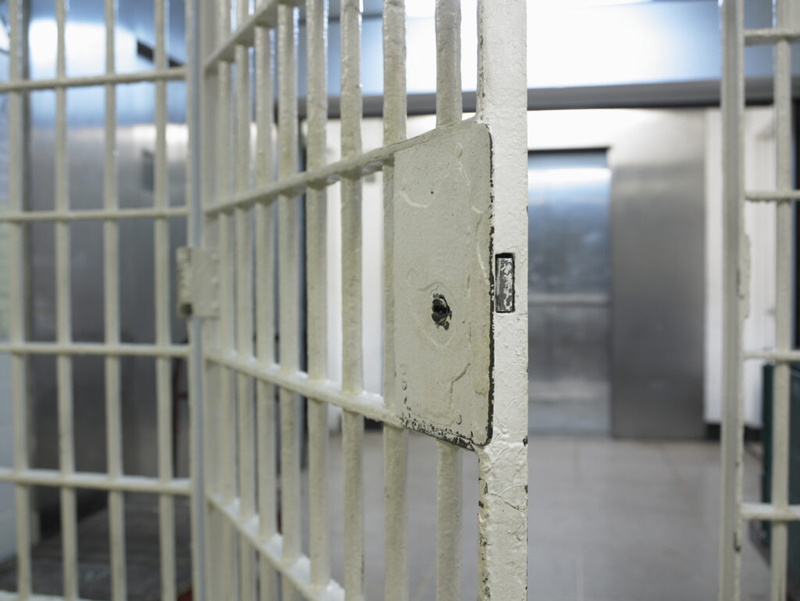
A door opens to a prison cell. (Bill Pugliano/Getty Images)
A new law that requires Minnesota jails to give people access to their previously prescribed medications has been temporarily suspended in response to a lawsuit from the Minnesota Sheriffs Association.
Advocates for the mentally ill and incarcerated people are now fighting back.
The lawsuit seeks an injunction, arguing that the Larry R. Hill Reform Act would require medical professionals to use medication that “could be harmful or fatal to inmates.” Sheriffs, counties, companies that provide health care in jails and doctors they employ also signed onto the suit.
Advocacy organizations say the alternative is dangerous.
“Too often, individuals with mental illnesses are denied the medications they need, and then the sheriffs wonder why they decompensate — or even die,” said Sue Abderholden, executive director of the National Alliance on Mental Illness Minnesota, in a press release. “For example, jail is hardly the place to make changes to antipsychotic treatment.”
Jails and prisons are among the nation’s biggest facilities housing the mentally ill, who often receive care from private, for-profit companies that are eager to cut costs. MEnD Correctional Care, once the largest provider of health care in Minnesota jails, went bankrupt in 2022 after several lawsuits alleged that its services led to preventable deaths.
The new act was named after Larry R. Hill, who died in Hennepin County Jail after not receiving medication.
The bill was passed after efforts from Minnesota groups seeking to improve health care access in jails. It was included in a public safety bill signed by Gov. Tim Walz in May. The legislation includes exceptions if an incarcerated person states in writing that they don’t want to take the prescribed medication, or a health care professional consults with the doctor who prescribed it and they determine it’s no longer needed.
The suit argues that these exceptions require getting in contact with outside health care providers, who may be difficult to reach and are unaware of the current condition of the patient.
“The provisions of the new amendment do not allow medical providers caring for inmates to exercise their professional judgment regarding the appropriate medication for that patient at the time of incarceration, even when all evidence establishes a different course of treatment is medically necessary,” the complaint reads.
Rep. Kelly Moller, the Democratic co-chair of the Public Safety Committee, and bill author Rep. Jess Hanson released a statement in response to the lawsuit, saying the bill received bipartisan support and there was no testimony opposing it in committee.
“No one who goes to jail should have to worry if they are going to become permanently disabled or die without access to the medication their doctor prescribed them,” the statement said. “The opponents of this legislation are being led by an out-of-state, for-profit industry that contracts with jails to earn a profit off the backs of incarcerated people who need medical care.”
The temporary restraining order will be in effect until August 1. A hearing on the case is set to take place on July 25.

Saint Paul, MN