House passes bill that would ban ride share ‘surveillance pricing’ based on personal data
Jun 29, 2026 | 5:10 pm ET
Description
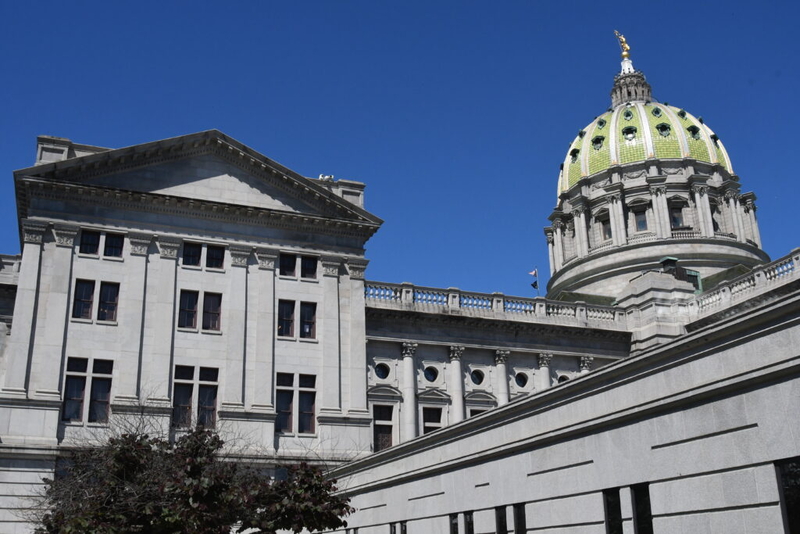
The Pennsylvania Capitol in Harrisburg. (Photo by Peter Hall/Capital-Star)
Charging different prices for ride-sharing services based on a customer’s personal data would become illegal in Pennsylvania under legislation passed Monday in the state House.
Surveillance pricing is the practice of using information about a consumer gathered from personal devices or other sources and charging different prices to individuals or groups based on their likely willingness to pay.
State Rep. Andre Carroll (D-Philadelphia) introduced a measure that would outlaw the practice by transportation network services such as Uber and Lyft. In remarks on the House floor, Carroll focused on surveillance pricing by ride-share companies, which have long adjusted their prices based on demand.
He noted trips using ride-share services Uber and Lyft have become essential for Pennsylvanians to get to work, doctor’s appointments, pharmacies and other critical services.
“These are not luxury trips for many people,” Carroll said. “Ride-share services have become an important part of daily life and necessary means of transportation, because these services play such a vital role. Consumers should be able to trust that they are being treated fairly.”
The bill passed with a 198-4 vote and will now go to the Senate for consideration.
Simultaneously, Sen. Lindsey Williams said she would introduce her own legislation in the Senate to ban surveillance pricing in a broader range of services.
“No one believes the grocery store clerk should be allowed to add 10% to your bill because of what you wore to the store,” Williams said in a news release. “But that’s exactly what happens in surveillance pricing. You’re being charged more because of who you are, not because the item is more valuable.”
According to Williams, Maryland, Connecticut, California, and New York have laws banning surveillance pricing. Similar legislation is being considered in 20 other states and in the U.S. Congress.
She cited investigative reporting that found companies including Instacart, Target and Delta Airlines and other companies have used artificial intelligence to experiment with pricing based data about consumers.
In April, Target agreed to pay $5 million to settle a lawsuit by the San Diego County District Attorney’s Office alleging the company changed prices on its app when customers entered a store to charge them more.
Williams also noted Consumer Reports found Uber routinely charged customers different prices for the same rides. Uber has contested the magazine’s findings, saying that it used a flawed methodology, non-representative samples and “a fundamental misunderstanding of how an open and dynamic rideshare marketplace works.”
Uber said it does not engage in surveillance pricing or customize prices to individual consumers. The bill passed Monday includes provisions for discounts to recognizable groups such as veterans or teachers.
Rep. Jeremy Shaffer (R-Allegheny) said while he believes in the free market’s power to spur innovation, technology sometimes moves faster than policy and requires guardrails to protect consumers.
“This bill prevents egregious behavior from charging extra for rides based on a low battery that you might have on your cell phone, or even what type of cell phone that you might have,” he said.
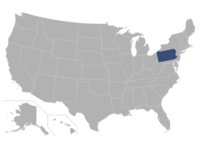
Harrisburg, PA