As data centers sprawl across the landscape, AI companies should pay Kansans what we’re owed
May 27, 2026 | 4:33 am ET

Description
Crews work on the Applied Digital data center construction in Harwood, North Dakota, on May 6, 2026. (Photo by Dan Koeck/North Dakota Monitor)
Former Kansas state Rep. Jan Kessinger contributed a piece about artificial intelligence data centers last month, which has inspired me to respond. I appreciate Kessinger’s time in the Legislature as my representative, but I disagree with him here.
When I see rhetoric about welcoming a new development with open arms, I take that to mean the developer is looking for public money of some kind. This was shown recently when Beale Infrastructure withdrew its proposed data center in Gardner. These companies will just keep looking until they find a handout.
Kessinger’s column argued that data centers will bring jobs to Kansas, but will they really?
A big reason AI companies are receiving so much investment money is the promise that their technology will increase productivity. Corporations are taking that to mean they can lay off employees and replace their job functions with AI. Just look at the $3 billion De Soto data center compared with the recent AI-driven Oracle layoffs.
The data center may create 100-plus permanent jobs, but at the same time, 30,000 workers in Kansas City and elsewhere lost employment. It’s a worse version of the corporate border war between Kansas and Missouri.
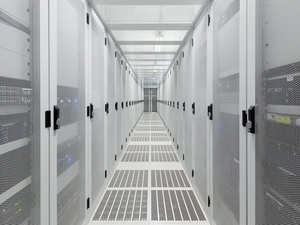
The sheer scale of these data centers makes it worth asking if we want to dedicate so many of our resources to AI. The entire electronics industry has been affected by AI’s massive demand for hardware. Chip suppliers such as Samsung, Micron, and more have cut production of consumer memory to chase higher-margin AI business. Pretty much everything with a circuit board is more expensive now as a result.
This doesn’t address the gigawatts of power needed to run these operations. The Stratos data center recently approved in northwest Utah is projected to consume more power than the entire state, supplied by new gas-powered power plants. Is AI in its current form worth all of this hardware and energy?
Making things worse is the fact that AI companies don’t really care about their consumption. With all the money they have, it seems like they’ve decided it is better to buy more servers than make their code more efficient. As this piece about the Anthropic code leak describes, they aren’t worrying much about efficient use of resources.
Public pushback on data centers is a good thing. I’m not a software developer, but I’ve worked with enough of them to know that their first stab at a new program often uses a lot more power and memory than it needs. If they are challenged and forced to make their work more efficient, then they will go back and take the time to do so.
If AI executives aren’t going to be the ones to do so, then it’s up to us to say no to yet another data center.
Kessinger writes that data centers will increase tax revenue from other businesses that can be put into public services. If we need to give public incentives to attract them in the first place, doesn’t that just give those taxes back to the AI companies?
If we want AI to benefit all of us and not just the tech billionaires, then we need different policies. We need to guarantee that everyone enjoys the increased productivity that AI promises. Instead of mass layoffs, lawmakers could establish a four-day work week because we’ll all be getting more things done faster.
Of course, it might be bad if people had more free time, since then they would be free to make their own art and write their own email messages rather than prompt AI to do it for them. The horror!
Really, it should go further than that. AI models have to be trained on data, and that data comes from all of us. These models may use our location, our purchases, our health data, our posts and more. This data is incredibly valuable, and anyone that’s interacted in society in recent history has contributed to it. Tech companies have become accustomed to receiving this data in exchange for the privilege of using their ad-supported apps.
Given how much more valuable that data is now, though, it’s clearly time for a renegotiation.
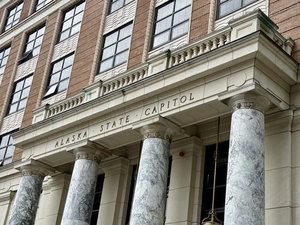
We the public should be paid actual money for this data. Advocates for universal basic income such as Scott Santens have been calling this an AI dividend, and it could operate in a similar way as Alaska’s permanent fund. Money from gas and oil production in the state goes into Alaska’s fund, and all residents can claim an annual dividend from it.
An AI dividend could work the same. Companies are charged for the use of American data, the money goes into a common fund, and all American residents receive a regular dividend from it.
I know many of our lawmakers are eager to roll over for billionaires, so I hope my fellow AI skeptics pay attention to what their representatives are saying about this. Without universal benefits, AI will just be the latest way for the wealthy to get richer at our expense.
Until they pay us what they owe, I don’t see how it will turn out any differently.
Richard Pund is an electrical engineer interested in improving elections at all levels of government. He lives in Overland Park with his family. Through its opinion section, Kansas Reflector works to amplify the voices of people who are affected by public policies or excluded from public debate. Find information, including how to submit your own commentary, here.

Topeka, KS