Governor failed Alaska gasline legislation homework
May 26, 2026 | 6:30 pm ET
Description
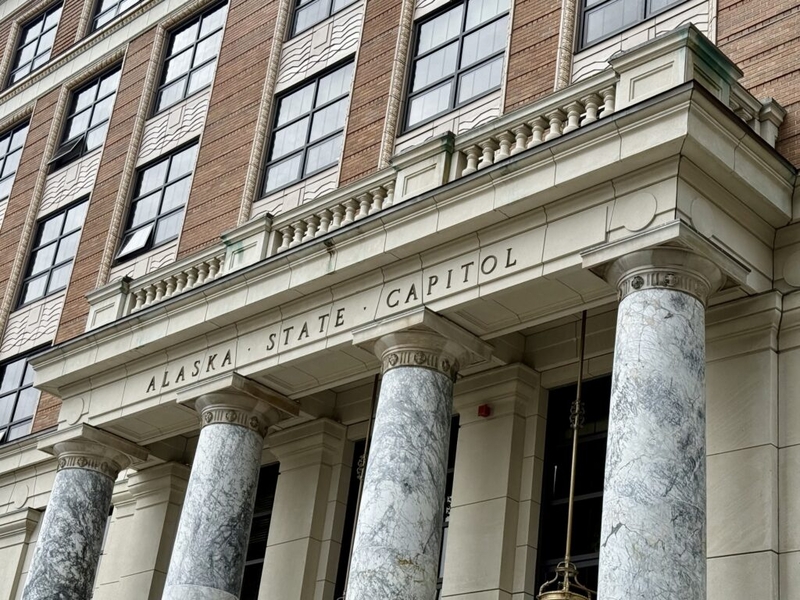
The Alaska State Capitol is seen on May 18, 2026. (Photo by Claire Stremple/Alaska Beacon)
Legislators are being held after school this month and the state is paying for the extra time because the governor did not do his homework.
If that seems backward, you’re right.
Gov. Mike Dunleavy ordered lawmakers to stay late after the regular legislative session ended because he insists that they approve major big-time relief from property taxes for the owners of the proposed, possible, maybe someday Alaska North Slope natural gas pipeline and export project.
The governor believes the multi-multibillion-dollar project will go ahead if the state House and Senate approve a tax relief package during a special legislative session. That’s all it needs, he keeps telling Alaskans. Cut the property taxes and all the parts will fit together and construction can start.
He talks as if building and paying for the most expensive oil or gas project ever in the history of North America is as simple as snapping together an Erector Set, Lincoln Logs or Lego model.
Dunleavy’s instructions booklet includes his salesman’s vision of the finished project, telling Alaska’s population center around Anchorage and the Matanuska-Susitna Borough that residents and businesses will enjoy affordable natural gas for heat and electricity for decades to come.
If it were that easy, the pipeline would have been built a long time ago. There is a lot more to do than just writing off most of the property taxes — such as developing realistic construction cost estimates and schedules, contracting customers to buy the gas and obtaining committed pledges of investment and financing totaling tens of billions of dollars.
It’s hard to see how a couple billion dollars that the governor believes is all the project can afford to pay in lieu of property taxes over 30 years can make or break a venture that could take in $300 billion in gross revenues over that same period.
Getting the gas project would be good for Alaska’s economy, no question about it, but getting there takes homework. And that’s where the governor skipped class.
It’s not like the project came as a surprise to anyone who completed the assigned reading. The state has been looking at what it could do to make the pipeline happen for a long time, most recently during Dunleavy’s six years as a state senator and all eight years of his two terms in the governor’s office.
What changed last year was that a private developer named Glenfarne Group, out of New York City, stepped up to take over management and 75% ownership of the venture from the state agency that had been unsuccessful in its efforts the past decade.
And what changed over the winter was talk of needing to escape the cost of full property taxes on the project.
But what didn’t change was the governor’s laid-back approach to work. He waited until the legislative session was half over before he introduced the tax relief bill he had promised months earlier. And even when he did turn in his work, it was inadequate on facts, numbers, analysis and disclosure.
It was the kind of homework that a teacher would mark “incomplete.” Which is what the Legislature did.
Now the governor wants lawmakers to work overtime to finish his assignment. And he figures to blame legislators if the gas project does not go ahead.
Dunleavy would have a better chance at passing the class — or passing a bill — if he would just admit he slept through the lecture on gas pipeline economics and accept the blame for a late and incomplete paper.
Juneau