CT poised to invest again in childcare, pay down pension debt
Jun 30, 2026 | 10:00 am ET

Description
Photo courtesy of CT Mirror
Having racked up its ninth hefty budget surplus in a row, Connecticut is poised to expand a record investment in affordable childcare while taking another big chunk out of its legacy pension debt.
The $27.2 billion state budget for the fiscal year that closes Tuesday is on pace for a $412 million operating surplus — all of it earmarked by legislators and Gov. Ned Lamont for a special endowment for early childhood education.
A special savings program outside the formal budget should capture another $1.3 billion in income and business tax receipts. Most of that, roughly $1 billion to $1.1 billion, will go toward shrinking the state’s pension debt. The rest will boost Connecticut’s emergency reserve or “rainy day fund” to almost $4.5 billion — 18% of annual operating expenses, the maximum allowed by law.
“Making Connecticut more affordable means making it easier for families to live, work and raise children here,” Lamont wrote in a statement. “High-quality early childhood education gives children the strongest possible start in life while helping parents pursue careers, grow their incomes and contribute to our economy.”
Connecticut’s early childhood commissioner, Elena Trueworth, added in the statement that “This endowment represents a transformational commitment to Connecticut’s youngest children and the families who depend on high-quality early childhood education.”
Eligible families are expected to begin receiving no-cost childcare or partial assistance subsidized by the endowment starting in the 2027-28 fiscal year.
Saving for childcare was challenging this past year
The governor and his fellow Democrats in the legislature’s majority launched the Early Childhood Education Endowment with $300 million in June 2025. With a goal of adding thousands of affordable childcare program slots by 2030, officials dedicated future operating surpluses toward this effort. Separately, the special savings program outside the formal budget would remain focused on reducing pension debt.
That strategy hit a snag earlier this year.
While officials planned for another $300 million-plus operating surplus, rising Medicaid and fringe benefit costs — and smaller-than-anticipated corporation tax receipts — wiped out the entire projected fiscal cushion.
Lamont and lawmakers responded by raiding the off-budget savings program, moving hundreds of millions of dollars into the General Fund. That transfer, coupled with a last-minute surge in tax receipts, created the $412 million surplus now headed into the childcare endowment.
“We’re making a smart, long-term investment that will lower costs for families, strengthen our workforce, and ensure this support is available for generations to come,” Lamont said. “This is exactly why we have managed the state’s finances responsibly, so that when we have the opportunity to make transformational investments, we can do so without raising taxes or compromising our long-term fiscal stability.”
Officials dedicated $11 billion in surplus since 2020 to pay pension debt
Even with those adjustments to the off-budget program, the administration estimates Connecticut will still have saved $1 billion to $1.1 billion to deposit into its pension funds for state employees and municipal teachers. A final tally won’t be known until the comptroller’s office completes its formal audit of the last budget cycle in September.
Once that’s done, officials will have dedicated a total of about $11 billion from special savings to reduce pension debt since 2020.
Still, analysts project the state won’t have eliminated all unfunded pension liabilities before the 2040s.
Connecticut entered this fiscal year with more than $33 billion in unfunded pension obligations, according to analysts, and the state remains one of the most indebted per capita in the nation.
Most of that debt stems from inadequate saving by legislatures and governors for more than seven decades between 1939 and 2010, according to a 2015 report prepared for the state by the Center for Retirement Research at Boston College. By not saving properly, the state government severely restricted the potential investment earnings, forfeiting billions of dollars across seven decades.
As a result, mandatory pension contributions continue to place heavy pressure on state finances, drawing resources away from other programs and services.
Watershed debate on CT savings program expected next term
Meanwhile, Lamont’s critics say the savings program he embraces is too aggressive.
Between operating surpluses and off-budget savings programs, Connecticut has left an average of $1.8 billion unspent — roughly 8% of the General Fund — since new budget caps were enacted in 2017. By comparison, the two prior decades of state budgets produced an average annual savings of 0.1% of the General Fund.
In other words, critics say, the new system is forcing a single generation to retire a pension debt problem created by three — and that education, health care, municipal aid and other core programs are suffering as a result.
Many of Lamont’s fellow Democrats in the legislature — including state Rep. Josh Elliott of Hamden, who is challenging the governor for the party’s gubernatorial nomination — say Connecticut could retire debt at a more modest pace and invest far more in programs and direct aid to cities and towns.
The Republican gubernatorial nominee, state Sen. Ryan Fazio of Greenwich, called earlier this year for the state to reduce savings efforts in order to dramatically expand tax cuts for Connecticut’s middle class.
Legislative leaders from both parties have said they expect a debate over state government’s savings habits to dominate the next General Assembly term, which covers the 2027 and 2028 sessions.
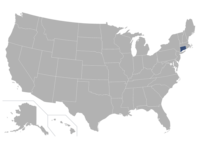
Hartford, CT