Criminal justice groups praise Alabama Legislature’s parole reforms
Apr 17, 2026 | 8:01 am ET
Description
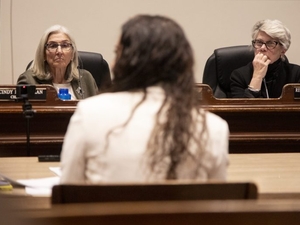
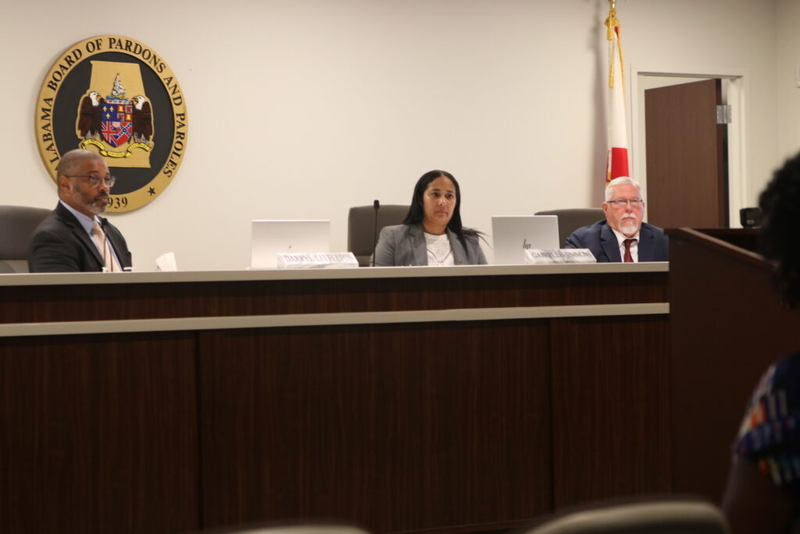
Darryl Littleton, Gabrelle Simmons and Hal Nash of the Alabama Board of Pardons and Paroles listen to people’s testimony during a hearing on Tuesday, July 15, 2025. The Alabama Legislature this year passed several bills reforming the parole process that won praise from criminal justice advocates. (Ralph Chapoco/Alabama Reflector)
The Alabama Legislature this year approved several bills giving parolees the right to participate in hearings and requiring the Board of Pardons and Paroles to consider their efforts at rehabilitation and reform.
The three bills, passed separately, allows people, including parole applicants, to participate virtually at parole hearings; gives the Alabama Board of Pardons and Paroles more discretion on sanctions for parolees who violate conditions of their release and requires them to consider applicants’ risk of reoffending and accomplishments while in prison.
The legislation came after years of controversy over Alabama’s low parole rate, which at one point fell to 8%, and about a year after former Pardons and Paroles Chair Leigh Gwathney was replaced by current chair Hal Nash.
“I think we have improved,” said Rep. Chris England, D-Tuscaloosa, a longtime critic of the board and sponsor of one of the bills, in an interview before the session ended last week. “I think we improved the due process part of that. A lot of people who were going through the parole system would be charged with a criminal offense that would reincarcerate them but would ultimately be found not guilty of that offense, but then still serve out the rest of their sentence.”
Criminal justice reform groups who had demanded reforms to what they called a broken system praised the work of lawmakers.
“These legislative wins did not happen in isolation; they are the direct result of sustained advocacy,” said Nichelle Cunningham, a paralegal with the ACLU of Alabama, who has kept watch at parole hearings, in a statement sent Tuesday. “We are grateful to the lawmakers, partners, and the citizens of Alabama who have remained committed to parole reform through our Smart Justice programs, lobby days, and continued public pressure. This is what integrated, collective action looks like.”
More discretion
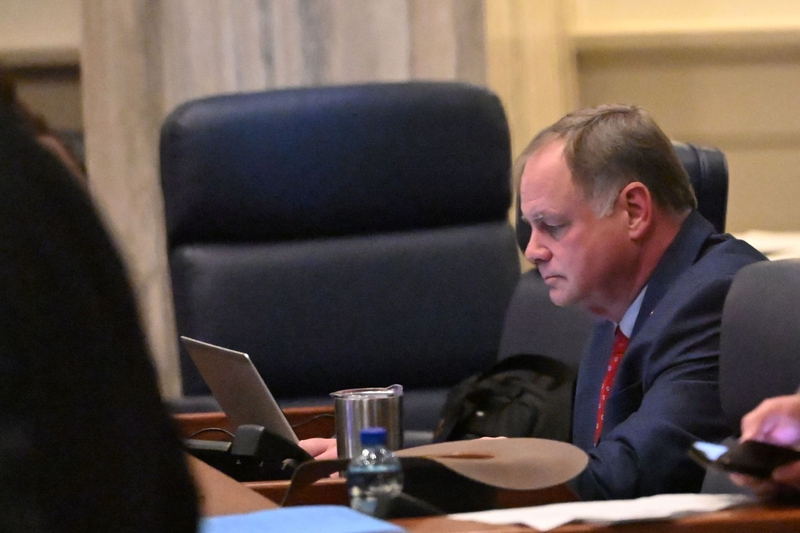
Among the bills that received bipartisan support is SB 254, sponsored by Sen. Sam Givhan, R-Huntsville, that gives the parole board more discretion to decide if someone who was granted parole should return to prison to serve out the sentence.
Alabama Appleseed, a criminal justice organization based in Birmingham, advocated for the legislation after publishing a report in 2025 titled, “Taking a Life” that highlighted several people whose parole was revoked despite otherwise law-abiding behavior because of technical violations or after arrests for nonviolent offenses.
“We became aware of the issue once we started representing more people on parole, and once we started hearing from people who had been paroled on life sentences,” said Elaine Burdeshaw, policy and advocacy director for Alabama Appleseed, in an interview Thursday.
Among them was Archie Hamlett, who was paroled in 2017 after serving 22 years of a life sentence on a drug trafficking charge.
While on parole, Hamlett obtained a commercial drivers license, renovated a house and restored vintage vehicles. He also started a business driving trucks. In January 2025, Hamlett was detained by law enforcement while driving because of his criminal history.
Hamlett suffers from a documented medical condition that requires him to urinate often. He requested he be allowed to use a portable urinal in his vehicle, but officers refused. Rather than urinate on himself, he relieved himself in the dark, and the officers charged him with public lewdness and took him to jail.
Givhan, who presides in the district where Hamlett resides, said in an interview Wednesday that the legislation was “something I became pretty passionate about as we were going through the process.”.
“It seems to be a fundamental fairness issue, and a common sense approach, just from a fairness standpoint and a financial and fiscal standpoint,” he said.
Previously the only sanction the board could make for parole violations was returning the person to prison. Under SB 254, the board can sentence people to a halfway house or county jail for 45 days. If people violated the terms of their parole because they were arrested for a new offense, the parole board can schedule their parole hearing if they were found not guilty, if the charges were dismissed or if the district attorney’s office was not willing to move forward with the prosecution.
People on parole could be returned to prison if they violate the terms of their parole and if their underlying offense was violent and a Class A felony or a sexual offense, or if they were prohibited from having a firearm, or aggravated theft by deception.
The legislation gives the parole board the option to revoke parole for those who leave and fail to report to their parole officer, having a firearm or if the person was convicted of another crime.
“The revocation bill was one of the better bills on the criminal justice package because it changed more than anything else,” said Cam Ward, director of the Alabama Bureau of Pardons and Paroles. “We got to a point where our board members, their hands were being tied, saying ‘You have to revoke if someone makes a violation about this. You have to revoke if they have a technical violation. You have to revoke them and send them back to prison for the remainder of their term.’”
Burdeshaw said she was thrilled when the legislation passed.
“At the beginning of the session, I don’t think any of us really knew what to expect,” she said. “We knew that a problem existed. We knew we had a bill sponsor in the Senate and a bill sponsor in the House who really cared about fixing that problem. But again, we didn’t know what to expect.”
Board presence
The Legislature also approved SB 240, sponsored by Sen. Will Barfoot, R-Pike Road, that allows parole applicants to speak with members of the parole board virtually during their hearings.
It also allows the victims and others involved in the case to have the same option instead of having to participate in person.
“The majority of states do it this way now, livestreaming,” Ward said. “I think that was a great bill. Our technology can do it.”
Lawmakers filed similar bills dating back to the 2024 legislative session, and while they were approved in various committees, they had never been approved by the full body.
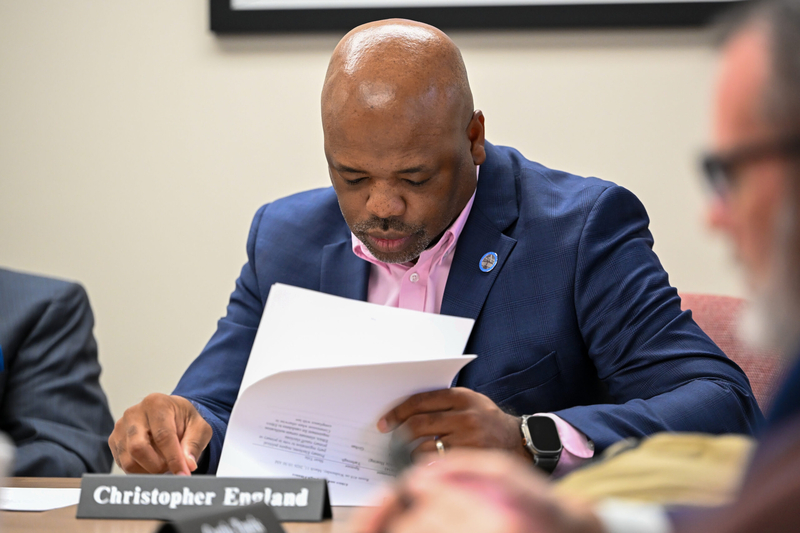
The Legislature also approved HB 86, sponsored by England, that requires the parole board to positively consider a person’s employment history; educational programs completed and whether applicants are at a lower risk to commit another offense.
Parole advocates criticized the parole board in the past for not adequately factoring in these criteria.
“As a state, we invest millions of dollars into these programs, then we should provide the incentive for folks who are incarcerated to participate in those so they know that when they go in for parole they will be considered,” England said.
Montgomery