Colorado primary turnout hits high point amid crowded statewide races
Jul 13, 2026 | 2:57 pm ET
Description
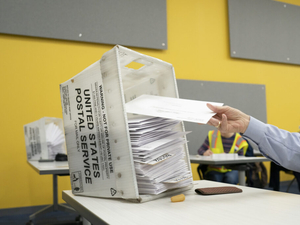
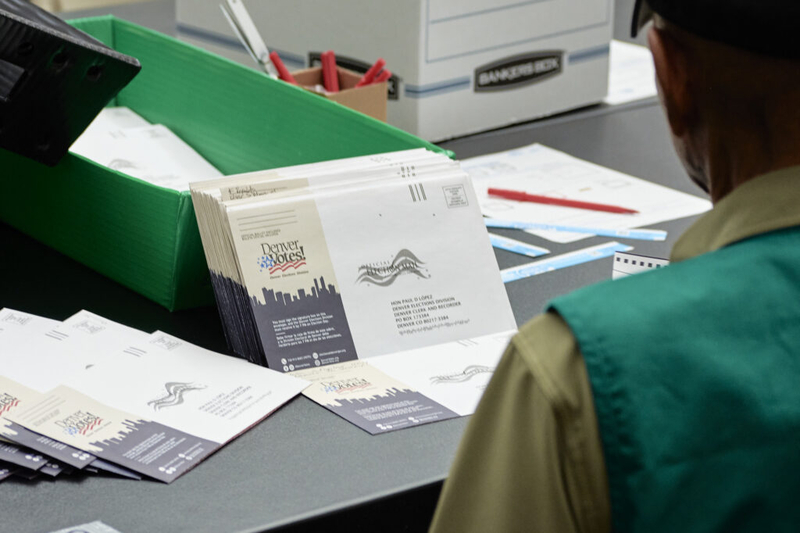
Volunteers at the Denver Clerk and Recorder's office process ballots during the Colorado primary election on June 30, 2026. (Photo by Andrew Fraieli/Colorado Newsline)
Turnout in the recent Colorado primary election, with executive-level offices up for grabs and a competitive congressional primary, was 10 percentage points higher than in 2024.
As of Monday, turnout for the June 30 primary was around 35.9% of active voters, compared with 25.5% in the 2024 primary election, according to the secretary of state’s office. In 2022, the most recent midterm year, the turnout was about 32%.
That means nearly 1.5 million Coloradans voted in the primary this year.
In Denver County, site of Colorado’s most populous city, turnout, at about 38.4%, was slightly higher than the statewide rate, according to the Denver Clerk and Recorder’s office. That is much higher than the approximately 18.2% turnout rate in the city in 2024 and 24.5% rate in 2022.
There were partisan primaries this year in the governor, secretary of state and attorney general races for the first time in many years. There were also competitive Democratic races for the U.S. Senate seat held by Sen. John Hickenlooper and in Denver’s 1st Congressional District, where democratic socialist Melat Kiros ousted longtime incumbent Rep. Diana DeGette.
The number of Democratic ballots returned this year outpaced either party since 2022, and the Republican turnout lagged behind 2022 numbers for both parties and was similar to the trends in 2024.
There were also significantly more Democratic ballots than Republican ballots returned by unaffiliated voters this year, who can choose which party’s primary to vote in. Unaffiliated Coloradans represent the state’s largest voting bloc. About 64% of the ballots returned by unaffiliated voters were for Democratic races, versus about 24% for Republican races.
Older voters turned out in higher numbers, as is typical, but there was an increase in voters between 18 and 44 years old. This year, a little over 414,000 people in that age range voted, compared to about 245,000 in the 2024 primary and about 301,000 in the 2022 primary.
There were still about 68,500 ballots to process as of July 8. Those will likely not alter the results but could alter margins of victory.
Denver, CO