Michigan leads nation as it reports 2,640 cases in cyclosporiasis outbreak
Jul 13, 2026 | 5:53 pm ET

Description
Vegetables, lettuce at a grocery store | Photo by Jon King/Michigan Advance
Reported cases of cyclosporiasis are continuing to grow, with the Michigan Department of Health and Human Services on Monday reporting 2,640 cases, compared with 1,562 cases recorded on Friday.
The state first reported an outbreak on July 1, after more than 170 cases were reported in Monroe, Lenawee, Washtenaw, Wayne, Livingston, Shiawassee and Jackson counties. The state typically only identifies 40 to 50 cases per year, according to the department.
Cyclosporiasis is an intestinal illness caused by a parasite with symptoms that include watery diarrhea, nausea and stomach cramps. It’s typically contracted by eating or drinking something contaminated by the parasite, with symptoms taking up to two weeks to develop.
As of July 9, 44 people had been hospitalized due to cyclosporiasis.
While the state’s investigation is ongoing, the state health department’s initial results point to lettuce or salad greens as a potential source of the outbreak, though other foods cannot be ruled out. Past outbreaks have been linked to bagged salad mixes and kits, fresh cilantro, fresh basil, raspberries, snow peas and green onions or scallions.
Additionally, the Michigan Department of Health and Human Services has not identified a specific grower or supplier as the source of the outbreak.
“Although we do not have a definite product identified as the source of the outbreak, we want to let Michiganders know what we have learned so far so they can take steps to protect their families,” Natasha Bagdasarian, the state’s chief medical executive, said in a statement. “Early information has shown lettuce as a common product that regularly comes up during the investigation. We will continue to provide updates as we learn more.”
The highest number of cases have been reported in Wayne, Washtenaw, Monroe, Ingham and Shiawassee counties.
When purchasing and preparing lettuce and salad greens, the state health department recommends individuals buy whole heads of lettuce rather than pre-washed, bagged lettuce or salad kits. They should then discard the outer layers, wash the inner leaves under running water and cook any greens that can be cooked to at least 158 degrees Fahrenheit to kill the parasite.
The department also recommends peeling and washing all produce, and cooking it when possible.
Anyone experiencing frequent, watery diarrhea is advised to contact their healthcare provider and request testing for cyclospora.
As of July 9, the U.S. Centers for Disease Control and Prevention had identified 843 cases of cyclosporiasis across the country, with 1,500 cases in need of further analysis.
Michigan’s reported total alone exceeds the CDC’s nationwide count. Other states have also reported surges in cases.
On July 1, 2025, the CDC scaled back its Foodborne Diseases Active Surveillance Network, or FoodNet, to only include tracking for salmonella and E. coli. Tracking for other foodborne illnesses became optional.
Former CDC Director Dr. Robert Redfield told CNN on Monday that he did not think it was in the country’s best interest to cut back on tracking.
“Surveillance is sort of the key to early identification,” Redfield said.
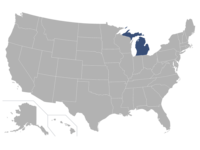
Lansing, MI