‘Cash flying out the door’: Audit reveals many financial, inventory missteps in WV arts department
Sep 18, 2026 | 4:28 pm ET
Description
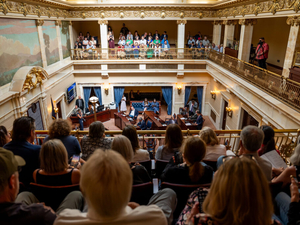
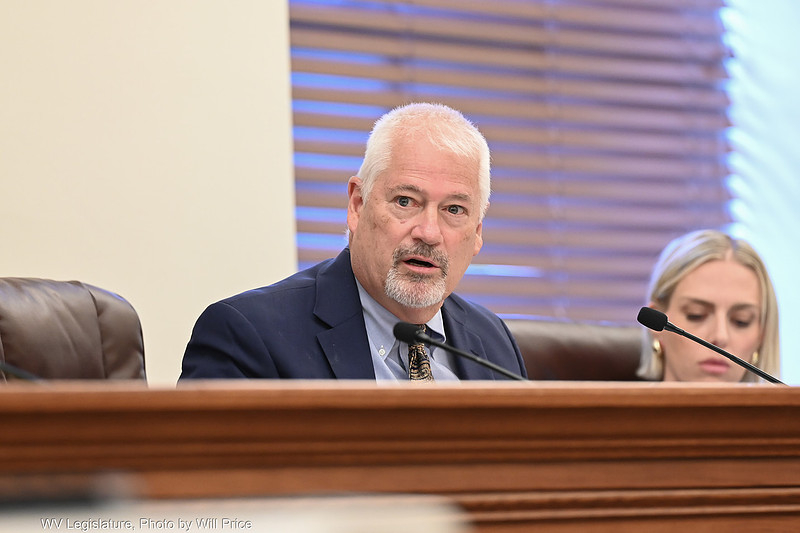
Del. Marty Gearheart, R-Mercer, questions how the Department of Arts, Culture and History failed to properly remit sales tax for 10 years during a meeting of the Post Audits Subcommittee at the state Capitol in Charleston, West Virginia on Sept. 14, 2026. (Photo by Will Price/West Virginia Legislative Photography)
The West Virginia Department of Tourism is correcting widespread financial mismanagement, including inappropriate cash-handling activities, that occurred within the Department of Arts, Culture and History.
A new audit from the West Virginia Office of the Legislative Auditor revealed a litany of past financial issues and inventory missteps within the Department of Arts, Culture and History. There were thousands of state artifacts held at the West Virginia State Museum missing from required inventory lists.
The Legislature moved the Department. of Arts, Culture of History under the Department of Tourism in 2025 at the direction of Gov. Patrick Morrisey. That’s when the laundry list of issues came to light.
Under the Justice administration, the arts department had two funds over-encumbered between $1.5 to $2 million, leading to a money shortfall. The Legislature last year made a $2 million supplemental appropriation to make sure all outstanding financial obligations within the department were covered.
The Legislative Auditor’s analysis also identified 72 grants totaling $900,000 that the arts department didn’t account for.
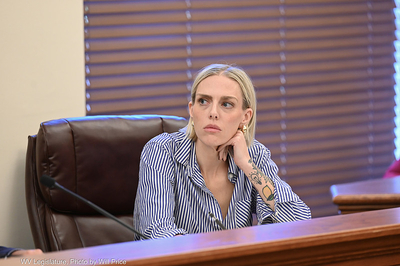
“Who dropped the ball in terms of oversight?” asked Del. Kayla Young, D-Kanawha, as a group of lawmakers reviewed the audit on Sept. 14 at the state Capitol.
Adam Fridley, manager of the Legislative Auditor’s Office, presented audit findings to lawmakers.
“When you’re talking about a department of state government that has funds over-encumbered, I can’t tell you that in 13 years that I had seen that prior to this,” he said. “In a lot of ways, the buck stops with the administration of Arts, Culture and History at the time.”
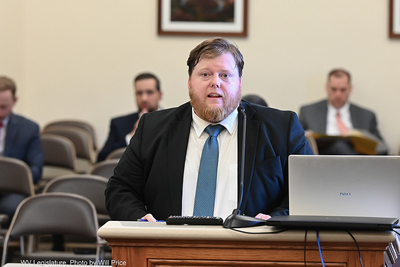
Former Secretary Randall Reid-Smith previously led the standalone Department of Arts, Culture and History until early 2025.
The audit also revealed that the arts department went 10 or 11 years without collecting sales tax on items, including on items sold at the gift shop.
“All of this sort of boggles my mind a little bit,” said Del. Marty Gearheart, R-Mercer.
Gearheart, who serves on the House Finance Committee, estimated that half a million dollars was missed in collections due to failure to collect sales tax. He characterized the art department’s situation as “cash flying out the door.”
“If I’m a week late with my sales tax return, I get a notice,” Gearheart said. “It is beyond me to understand how 10 years of sales tax could be neglected. There’d have to be a room with notices that could fill a closet.”
The Legislative Auditor’s office couldn’t give a total summary of missing funds, saying that the lack of financial and cash-handling policies led to the situation.
In October, a settlement was reached, covering a period from Jan 1, 2020, through Dec. 31, 2024, and the department paid a total of $122,025 to cover the sales taxes not previously remitted, according to the audit.
Del. Tristan Leavitt, R-Kanawha, questioned how the sales tax situation had gotten that far.
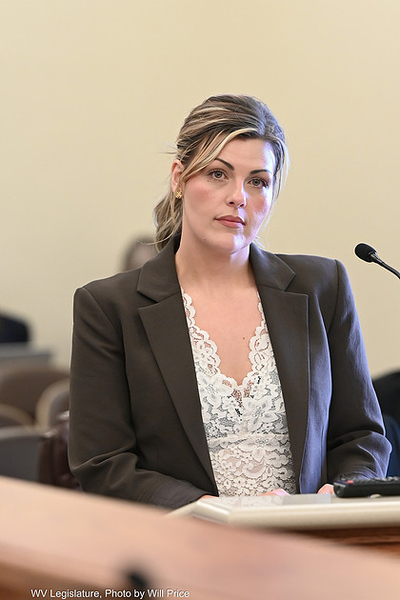
“I think all of us in this room agree that it was egregious and it’s not going to happen again,” said Kayla Kessinger, newly-appointed secretary of the state’s Department of Tourism.
The Department of Arts, Culture, and History operated several collection points for cash, including the Culture Center, the Coal Heritage Museum and more.
“Cash was not properly stored at each collection point. While some collection points reported that cash was stored in appropriate safes or secure lock boxes, other collection points reported that cash was left in cash registers or unsecured folders on employees’ desks,” the audit said.
“Some cash collection was held and used as petty cash in violation of prohibitions under existing state law,” Fridley said. The Department of Tourism is working to reduce the number of cash collection points to prevent future issues, he added.
Since 2020, the department hadn’t properly maintained asset inventories, leading to the discovery of more than 10,000 items outside of the official inventory record.
The Legislative Auditor noted that the West Virginia State Museum did not have a singular inventory record that accurately tracked all of the museum’s assets. Museum staff have now reported over 34,000 artifacts.
The tourism department has taken several steps to rectify the financial and record-keeping situation, according to Fridley. There are new financial and cash-handling policies in place along with more staff focused on finances. The department continues to work on its artifact inventory system, saying it will take time for the staff to properly catalogue the inventory at the state museum.
Kessinger said it was important to make sure state tax dollars are used efficiently. The financial issues under the arts department predate her appointment in August.
“Thank you to the legislative auditors for working with the Department of Tourism so we could solve the problems that were created in years past and that we can continue to work toward continued development of strong policies that protect the state and our reputation with our citizens,” Kessinger told lawmakers.
Young expressed concern about the possibility of similar financial problems in other agencies given how long it took for the arts department’s problems to come to light.
“It seems like there’s no internal controls for these systems,” Young said.
In response, Fridley told lawmakers, “Are these issues present in other places in state government writ large? Unfortunately, I have no way of telling you that.”

Charleston, WV