Ban on ‘unauthorized camping’ by homeless people in North Carolina is on its way to Gov. Stein
Jul 01, 2026 | 10:00 am ET
Description
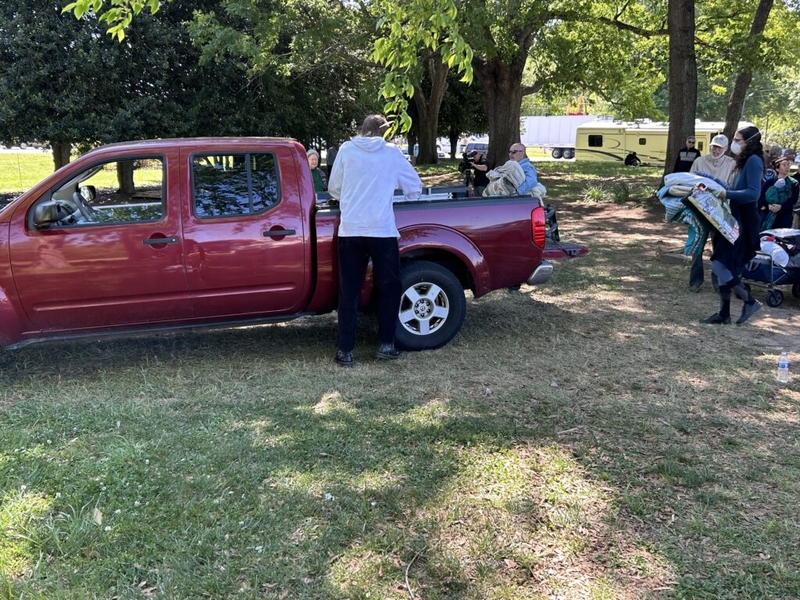
People experiencing homelessness were forced to move from an encampment off of U.S. 70 near Garner. (Photo: Greg Childress/NCNewsline)
A controversial bill requiring local governments to regulate and police homeless camps and make homeless shelters drug-free zones got final approval in the House on Tuesday,. It’s now heading to Democratic Gov. Josh Stein’s desk.
Republican-backed House Bill 437 was approved 73-40 on a mostly party-line vote, with the House GOP majority voting in favor of the bill and most Democrats against it.
Supporters of the bill said it will return dignity to people experiencing homelessness, ensure the state has safe parks, and make it clear that local governments cannot allow homeless encampments in public spaces.

To make his point about the state’s homeless problem, bill sponsor Rep. Brian Biggs (R-Randolph) shared a story about having dinner Saturday in one of the state’s largest cities. He said a person walked into the restaurant with a needle dangling from his arm. Fifteen minutes later, another person “strung out on drugs” walked into the restaurant, he said.
Biggs, who didn’t name the city, said the manager told him that it was something that happens 12 to 15 times a night.
“I’m there just in disbelief,” Biggs said. “This is happening everywhere. We can continue to walk by and hand $10, or we can change our attitude, get a different plan.”
Biggs added: “This bill seeks to increase public safety, sanitation, public health, protect public spaces and be compassionate with assistance to people that are experiencing homelessness.”
But Rep. Marcia Morey (D-Durham) said H437 does nothing to help people experiencing homelessness.
“This bill doesn’t give you one new housing unit for a homeless family,” Morey said. “It doesn’t give you any treatment for someone with addiction problems. It doesn’t give you mental health counselors. It doesn’t help anyone pay rent.”
NC Senate approves ban on ‘unauthorized camping,’ new rules for property tax changes
Other critics of H437 say it would create financial, operational and legal hardships for communities that already struggle to meet housing and service needs for people experiencing homelessness.
As NC Newsline previously reported, H437 would require municipalities to approve a location for homeless camps on municipal property for less than a year at a time, and only when indoor shelters don’t have enough space. Local governments would have to provide restroom facilities, water and public safety personnel. The measure doesn’t contain any money to help pay for the camps.
While North Carolina’s bill doesn’t technically criminalize people for being homeless, it opens up local governments for civil liability if they don’t evict homeless people sleeping anywhere but in shelters or approved campsites. Critics say that essentially forces local governments to push homeless people out of public spaces.
Rep. Heather Rhyne (R-Lincoln) reminded colleagues that the bill also increases penalties for dealing drugs at homeless shelters, “just like we do for schools.”
H437 would outlaw drugs in homeless shelters and service zones and increase criminal penalties for possessing, using or selling illegal substances in those areas. Traditional homeless shelters would require signs marking their status as drug-free zones, like schools do.
“Our homeless population is under regular threat of crime from those seeking to sell them controlled substances,” Rhyne said.
Morey said something needs to be done to help people experiencing homelessness, but the bill as written is the wrong approach.
“Just removing them off a city property because they have nowhere else to go is just putting them somewhere else out of sight,” Morey said.
Raleigh, NC